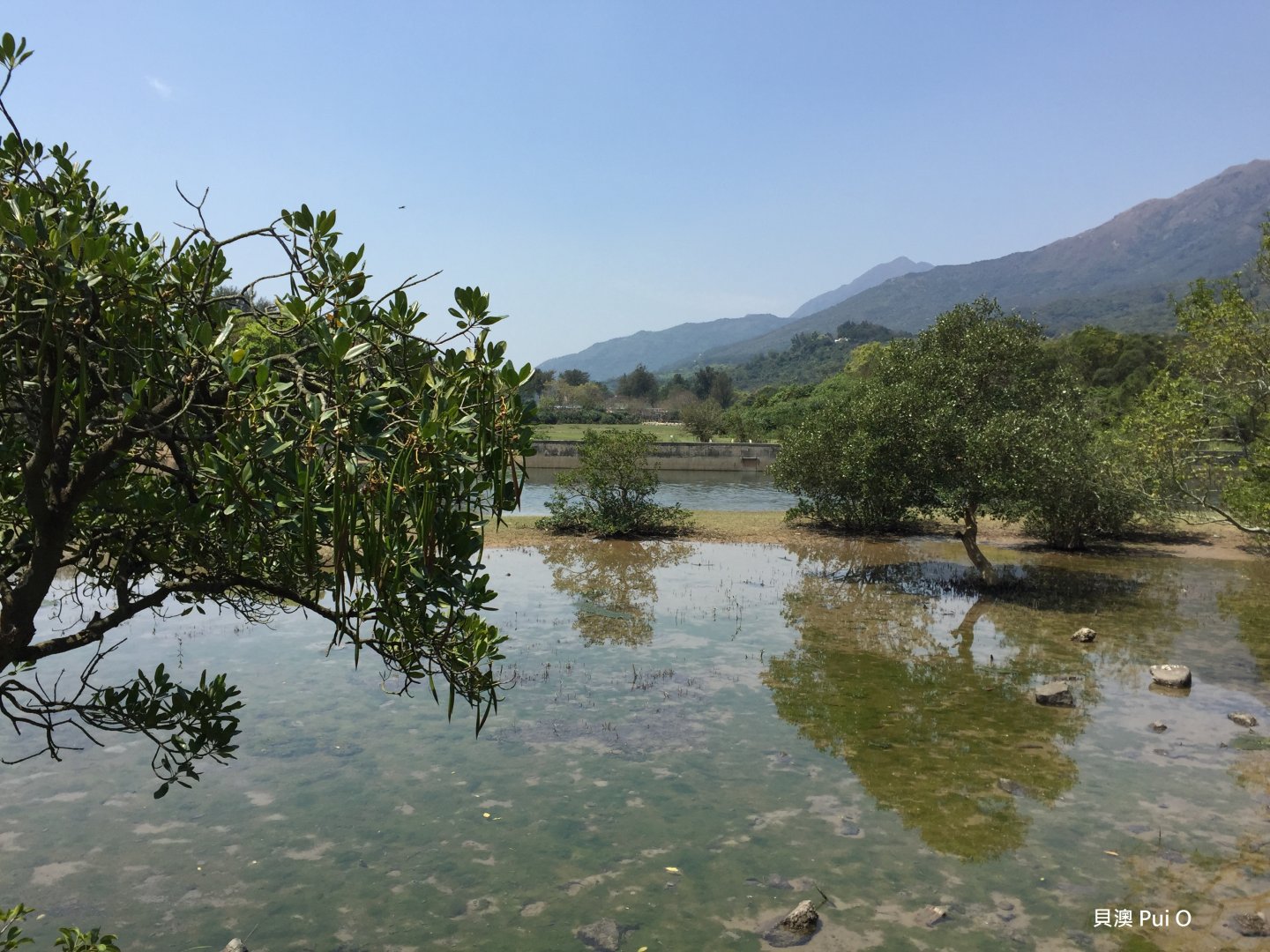
If you're asked to recall your first visit to Lantau, what will immediately spring to mind? The soothing sway of miscanthus on Sunset Peak, the serene houses-on-stilts in Tai O, or buffalos quietly grazing away on the grasslands of Pui O?
All these and more will be rendered obsolete if the government has its way with its new plans for the island. According to the proposals outlined in the Lantau Development Advisory Committee's "Space for All" consultation report, the island will soon be turned upside down: first into a massive construction site, and then a home for up to one-tenth of Hong Kong's population as well as a disjointed combination of multiple theme parks.
Traffic and Transportation
Situated in Hong Kong's southwestern fringe, Lantau has long been one of the most remote areas in Hong Kong – and one of its most pristine and well-reserved natural havens. All this will come to pass with the proposals in "Space for All": trains will whiz across Lantau through five additional routes linking the island with Tuen Mun, Mui Wo, the western parts of Hong Kong Island and Kowloon, and the artificial island housing cross-border facilities with mainland China. Three more highways will connect Lantau with the reclaimed island, northwestern New Territories and Tuen Mun.
At the same time, Lantau will also serve as the convergence point between Hong Kong and mainland Chinese cities, with roads and railways coming in from Shenzhen, Zhuhai, Macau and as far afield as the Nansha area of Greater Guangzhou. With its biodiversity in tatters, Lantau runs the risk of becoming yet another Sheung Shui, a manic frontline in which nature and leisure fall foul of the needs of transitory visitors arriving from across the border.
Population Density
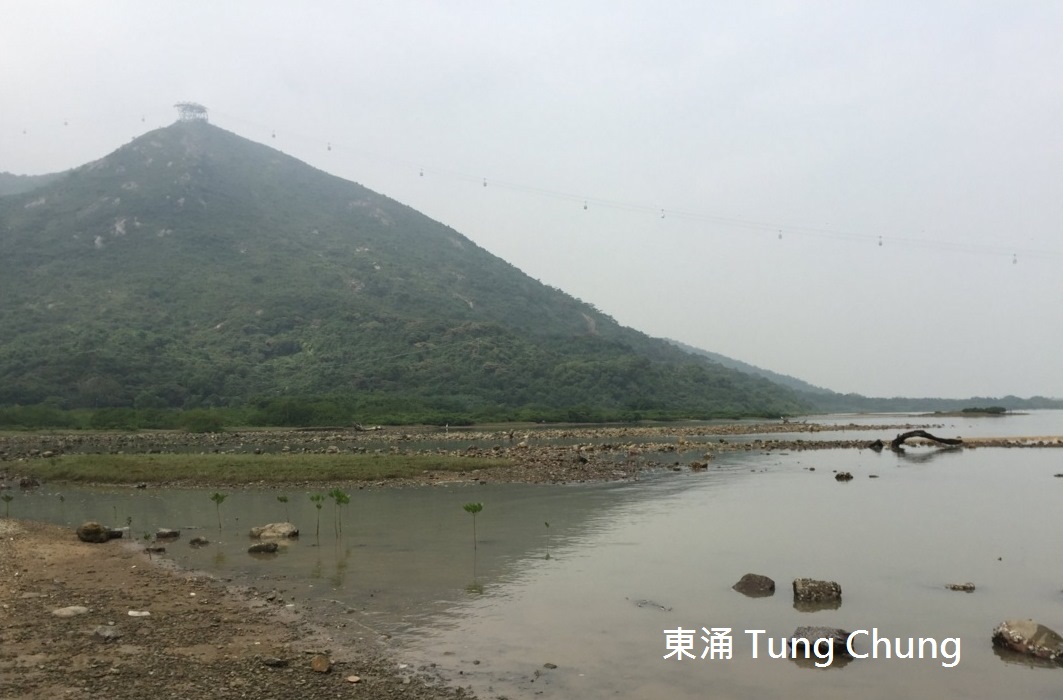
Where the highways and railways reach, cranes and concrete follow. In 2011, there were about 79,000 residents in Tung Chung New Town. According to the projections in "Space for All", the number would surge to an incredible 270,000 by 2023. The population of Lantau earmarked to hit the range of 700,000 to 1 million by 2030 – that is, about one tenth to one seventh of Hong Kong's total population. Shall we take this as a contingency plan for the city's easeless growth, or merely just one facet of many in a bigger recolonization scheme?
Hong Kong's overall population density is remarkably high: according to the latest figures released by Demographia earlier this month, Hong Kong is ranked as the sixth most crowded urban entity on earth. Meanwhile, the United Nations estimated an average of 6,940.9 people living within every square kilometre in Hong Kong in 2015. With its low population density and its wild abundance of uninhabited nature, Lantau has long been instrumental in redressing the balance for this very overcrowded city. Moves to "deruralize" Lantau will soon make the island – and Hong Kong in general – no longer a livable place.
Theme Parks vs Country Parks
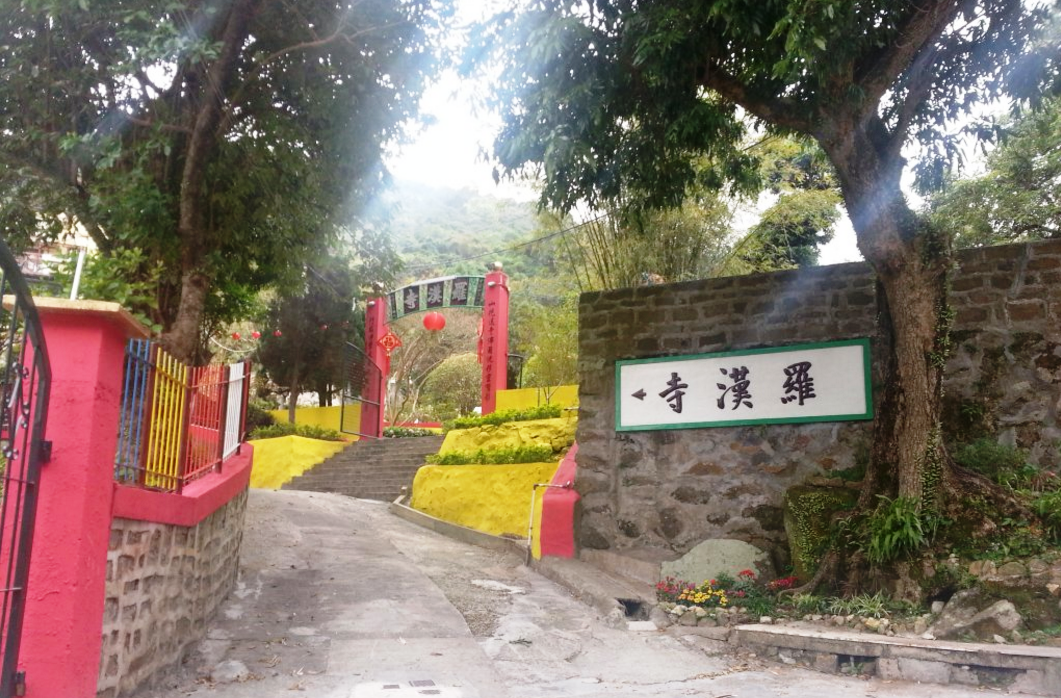
For years, Lantau has catered for the needs of people with different lifestyles and interests. It has long been a renowned haven for spiritual meditation, with its multitude of ancient temples and an abbey on the east side of the island. Its diverse habitats of hills, valleys, rivers and wetlands have nurtured all kinds of fauna and flora, including the rarest and most fragile species. Its beautiful beaches and long coastlines are favorite haunts for both vigorous beach-goers or romantics seeking a peek of the sunset. Moreover, there is the famous fishing village of Tai O, and a string of heritage sites at Tung Chung.
These attractive elements will be maintained in the "Space for All" proposals – just that they will be organized and assigned to different thematic zones: spas and resorts in Cheung Sha, animal farms in Shui Hau, a kung fu and tai chi centre in Tai O, and an extreme sports hub in Pui O. These bizarre configurations speak volumes about the contrived nature of it all: is it necessary to re-categorize organically developed attractions along such artificial lines? Do residents and tourists really prefer theme parks rather than country parks?
The answer lies in the numbers. In 2015, Hong Kong Disneyland hosted 6.8 million visitors – 0.7 million fewer than the previous year, a slump attributed mainly to the fall in mainland and foreign tourists. Ocean Park, meanwhile, hosted 7.4 million people in the financial year of 2014-15 – a drop of 0.2 million compared to 2013-14. On the contrary, the number of visitors to Hong Kong's country parks actually rose from 11.1 million in 2014 to 11.7 million in 2015.
It is obvious that enthusiasm for theme parks is on the wane, while more people – local residents and incoming tourists alike – prefer leisure activities in Hong Kong's open, green outdoors. In other words, it is definitely a misguided move to destroy nature so as to make way for all the endless building of planned, regulated and highly artificial theme parks.
In the light of all these arguments, the basic question is: what's your favourite part of Lantau? What do you want Lantau to be in the future? Please express your views before the end of the government's consultation exercise, and make sure the island becomes an authentic, living space for all of us.
Make your views count:
Email to [email protected] on or before 30 April, 2016.
Recommended hiking routes on Lantau Island: