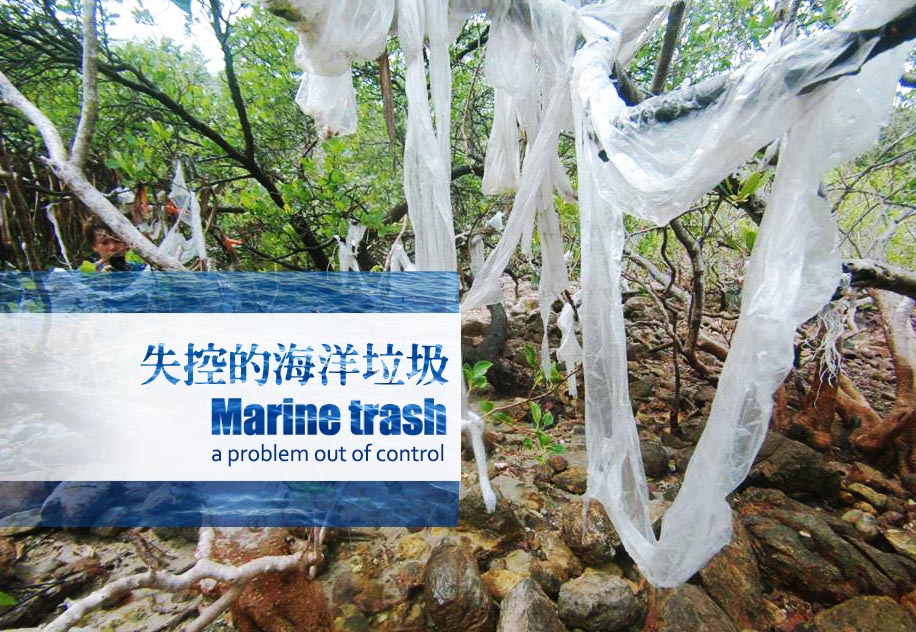
Cover photo: Discarded plastic bags all over mangrove area in Hoi Ha Wan Marine Park, Sai Kung.
Whales dying from plastic ingestion, sea turtle with a straw up in its nostril, Caribbean overtaken by floating sea trash….. Heartbreaking stories as such often appear on news and social media nowadays. The phenomenon of animals being killed by plastic is so prevalent and talked-about that Taiwanese media has given a specific term for it in, loosely translated as "plastic-kill". According to a report published by Ocean Conservancy (US) in 2017, a global figure of around 8 million tonnes of plastic enter our oceans every year, which is equivalent to dumping one full garbage truck of plastic into the ocean every minute. Plastic debris are found in all corners of the oceans from the North Pole to the South Pole. Based on research figures, what we see with our own eyes and images from the media, everything is telling us one thing – global marine plastic pollution has grown out of control.
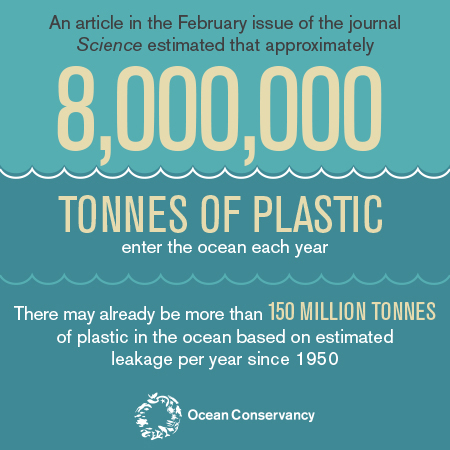
Ocean Conservancy (US) states that 8 million tonnes of plastic enter the ocean each year
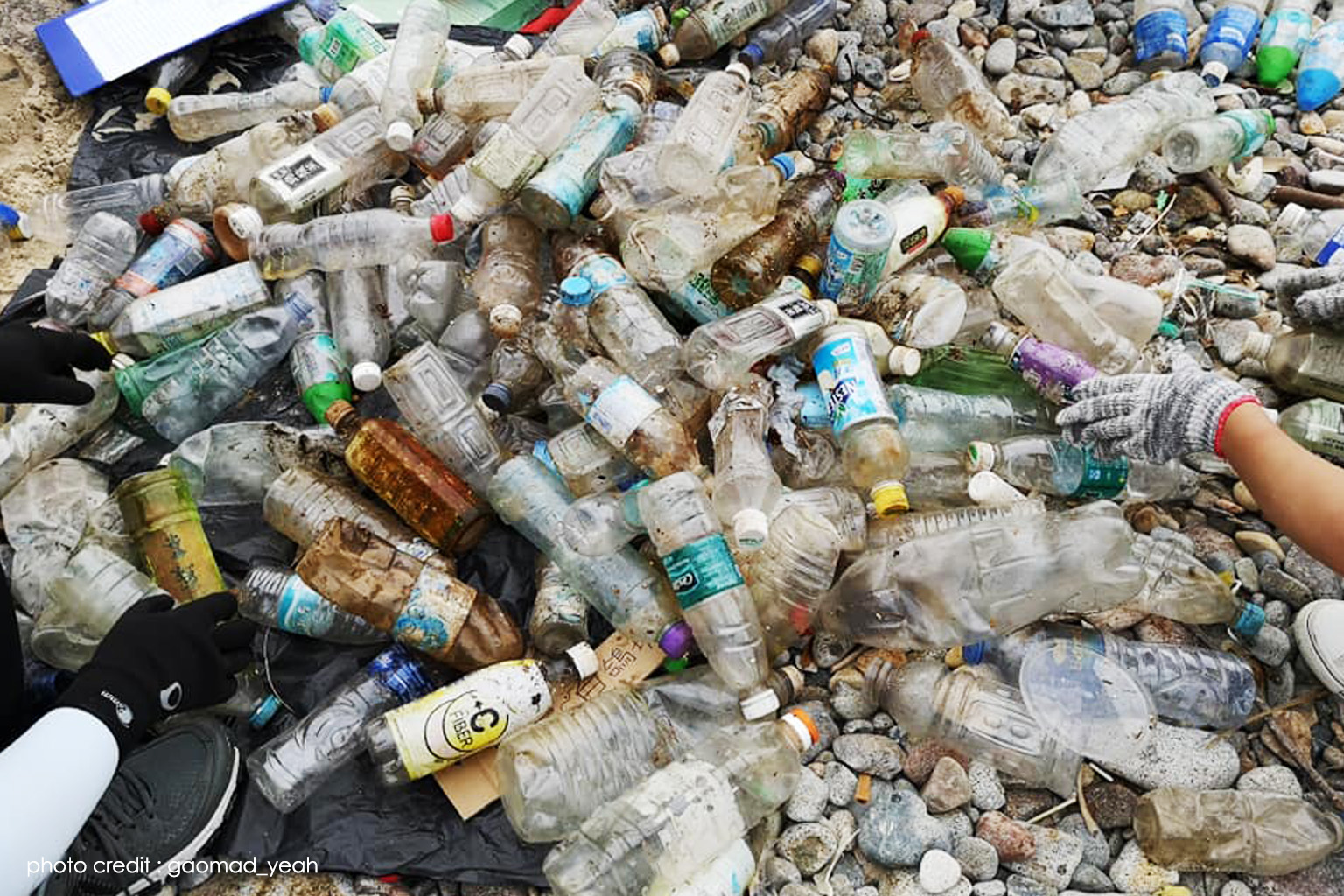
Trash problem with plastic bottles is overwhelming
The weight of marine debris collected in Hong Kong each year equates to more than 1,000 double-decker buses combined
Surrounded by the sea, what is it like here in Hong Kong? The 2012 plastic pellet spill incident and the horrific state of Lap Sap Wan in 2015 have largely gained tractions in the society and aroused public concern for marine conservation issues, prompting various green groups and individuals to start self-organising coastal cleanups since. Based on data from Clean Shorelines, Environmental Protection Department, marine debris collected between 2010 and 2017 weighs over 15,000 tonnes per year, comparable to the weight of 1,000 double-decker buses combined. The government set up the Working Group on Clean Shorelines in 2012 to conduct studies on floating marine debris, although some corresponding measures have been put in place, the amount of rubbish at sea remains problematic.

Monthly distribution of marine refuse collected by Marine Department in 2017
Removing "Ghost Net" – a community group
After the experience of getting entangled by a ghost net while kayaking, Sai Kung resident Kitti noticed the severity of the problem and organised a group to remove "ghost net". On her days off, she always heads out with a small group of friends on hired kayaks to explore the coastlines in Sai Kung. Kitti shows them around so they can see for themselves what problems the nature is actually facing. While passing by various unnamed tiny islands, they search for abandoned fishing nets called "ghost nets" to remove, release as many trapped animals as they can, and clear other rubbish that crosses their paths.
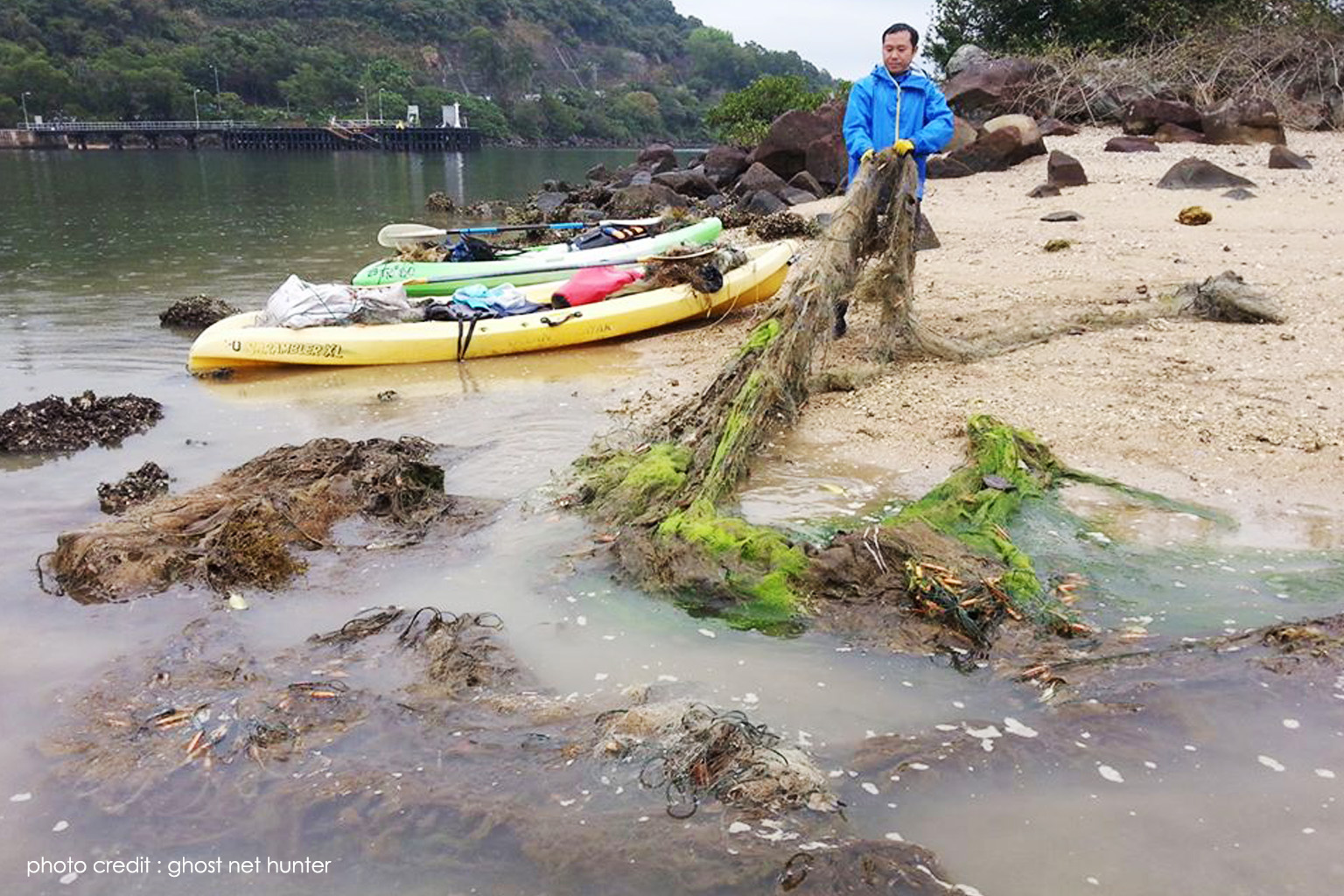 Removing abandoned fishing net, also known as "ghost net"
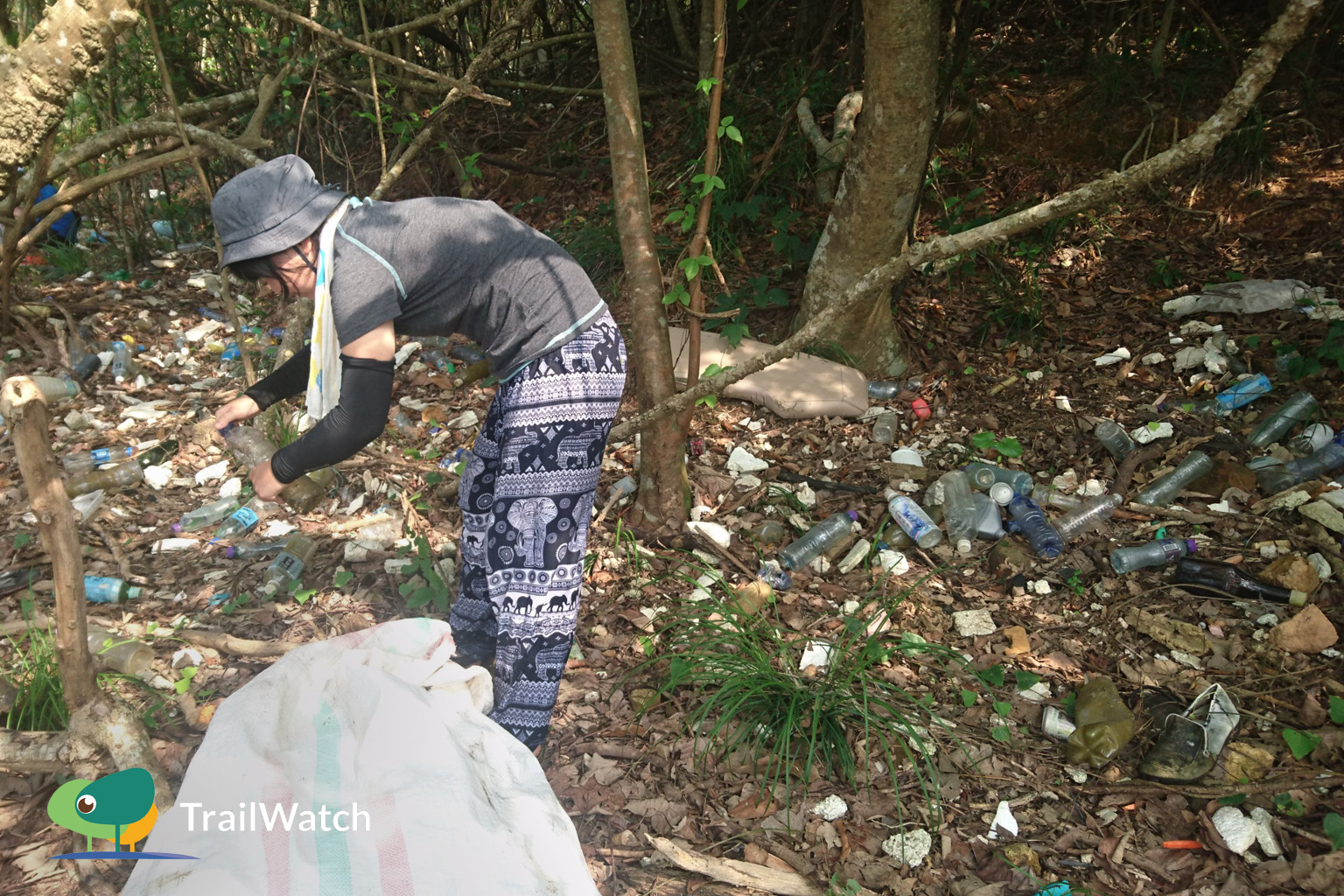 A large number of plastic bottles ends up as marine trash
Where does marine trash come from?
Following Kitti, we were heading to a small island on our kayaks. It was clear even from a distance that huge piles of polyfoam and plastic bottles fringed the coastline. “Where do they come from?”, asked a first-timer in the group. The answer is simple, most of them are not directly from boats, but are discarded on land or near river streams in the first place. Wind or water then carry them down the drain and into the sea. During heavy rain, trash on mountains are washed into the sea, forming duplicates of“Lap Sap Wan”.
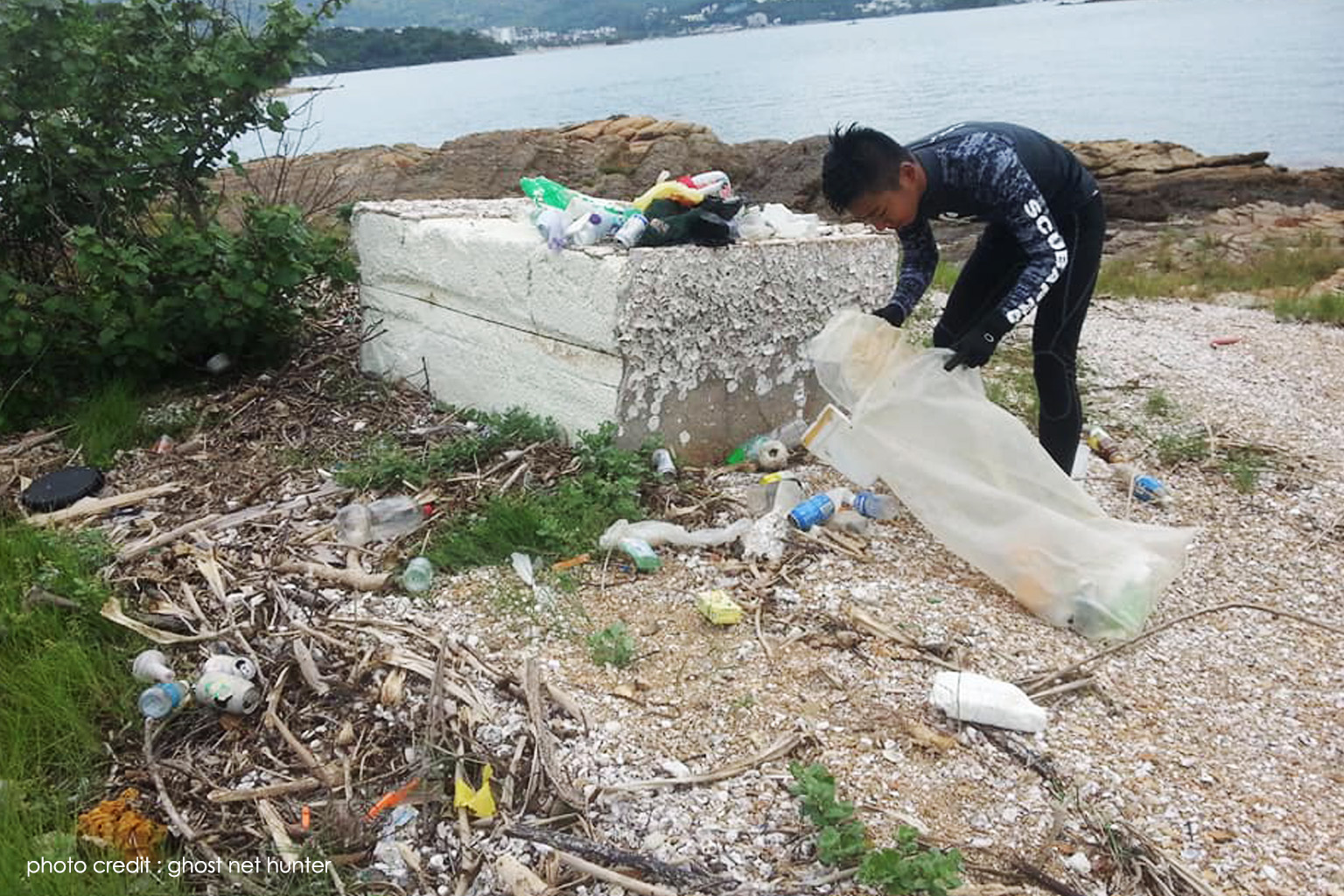 Polyfoam and plastic bottles are ubiquitous on Hong Kong coastlines
Marine Trash is only harmful to marine animals?
The Society of Wilderness (SOW) in Taiwan remarked that the plastic bottles they collected by the seaside amount to the height of 8.4 Taipei 101, the landmark skycrapper in Taipei. Similarly, the stock of disposable cutlery they collected could last for almost 30 years given a person uses them for three meals per day. It is estimated that plastic trash in the sea will take at least another 450 years or forever to degrade, and ultimately become innumerable fragments causing countless death when fishes and birds ingest them by mistake. The problem has a devastating impact on the ecosystem.
According to “Plastics in Seafood” published by Greenpeace in 2016, 60-80% of marine rubbish are plastics and that microbeads are found in over 170 species of marine organisms, which includes species commonly consumed by Hongkongers such as flathead grey mullet, oyster and mussel etc. The report points out there is a potential effect on human consuming microbeads-contaminated seafood as chemicals desorbed or released from microbeads could accumulate in the food chain, and that people might even ingest them directly when eating certain types of seafood.
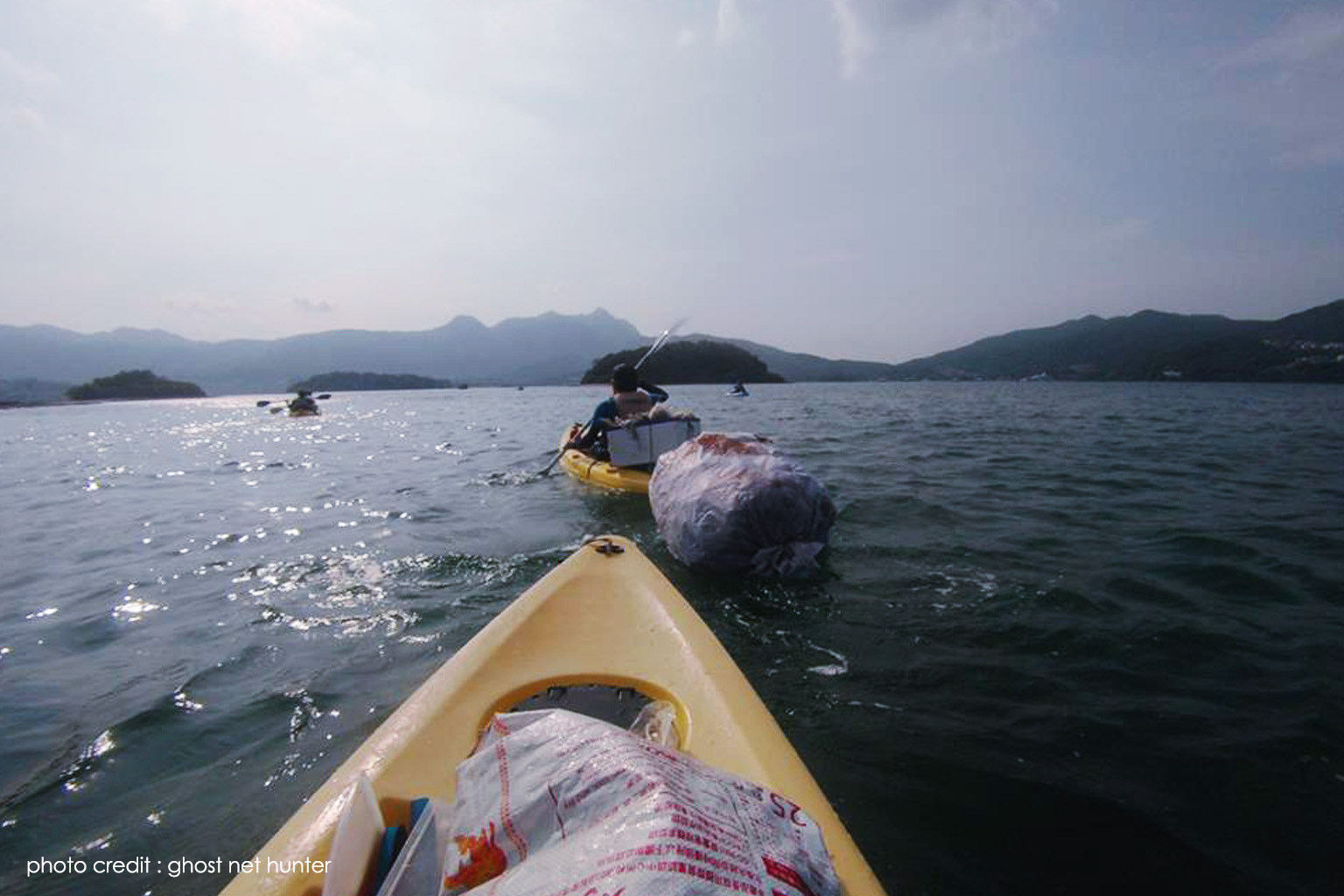
Reusing rice bags and huge garbage bags at the cleanup
The change starts from you
Whether it is in the countryside or at sea, we found that the type of trash topping the list is always plastics. Do you get breakfast takeaways every day? Do you buy plastic bottled drinks when it is scorching hot? It is not hard to imagine how our daily lives are filled with single-use plastic products. We can all start with adopting different but simple practices to reduce marine pollution. Bring the four“Leave No Trace”essentials; BYOB and avoid purchasing plastic bottled beverages; recycle, but more importantly, reduce at source and let it become your habit. Incorporate the “Leave No Trace” concept in your daily lives and lead a life with less and less plastics.
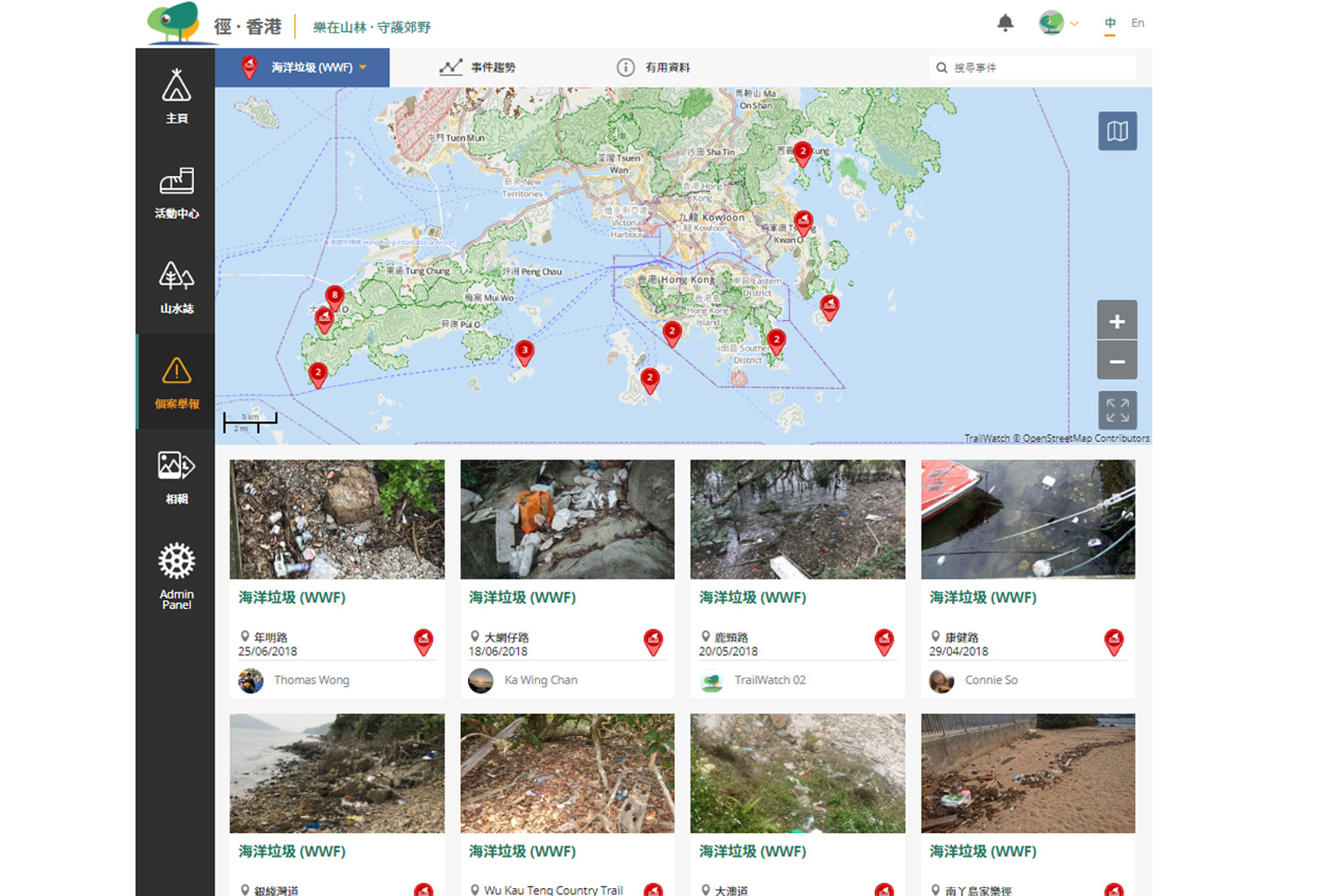
Report marine refuse incident via TrailWatch app
Use the real-time report function on the TrailWatch app when you spot a large quantity of marine trash. Working with the World Wildlife Fund Hong Kong (WWF-Hong Kong), we will follow up your case and use the information to identify marine trash hotspots. Recently, the most frequently reported locations include Lantau Island, Lamma Island and Sai Kung. Each reported incident is very important in conserving the marine environment as it forms part of database that we are building.
Extended reading:
TrailWatch reported incidents:https://www.trailwatch.hk/?t=incidents
Hong Kong Connecition – documentary on our ocean:https://goo.gl/oTbQb9
Clarn Shorelines – statistics:https://www.epd.gov.hk/epd/clean_shorelines/statistics.html
No obvious improvement in 29 marine black spots:http://hk.on.cc/hk/bkn/cnt/news/20180731/bkn-20180731000259010-0731_00822_001.html
National Geographic – Planet or Plastics?:https://www.natgeomedia.com/reading/mag-news/76593
Greenpeace Research Laboratories – Plastics in Seafood:https://storage.googleapis.com/gpuk-static/legacy/PlasticsInSeafood-Final.pdf