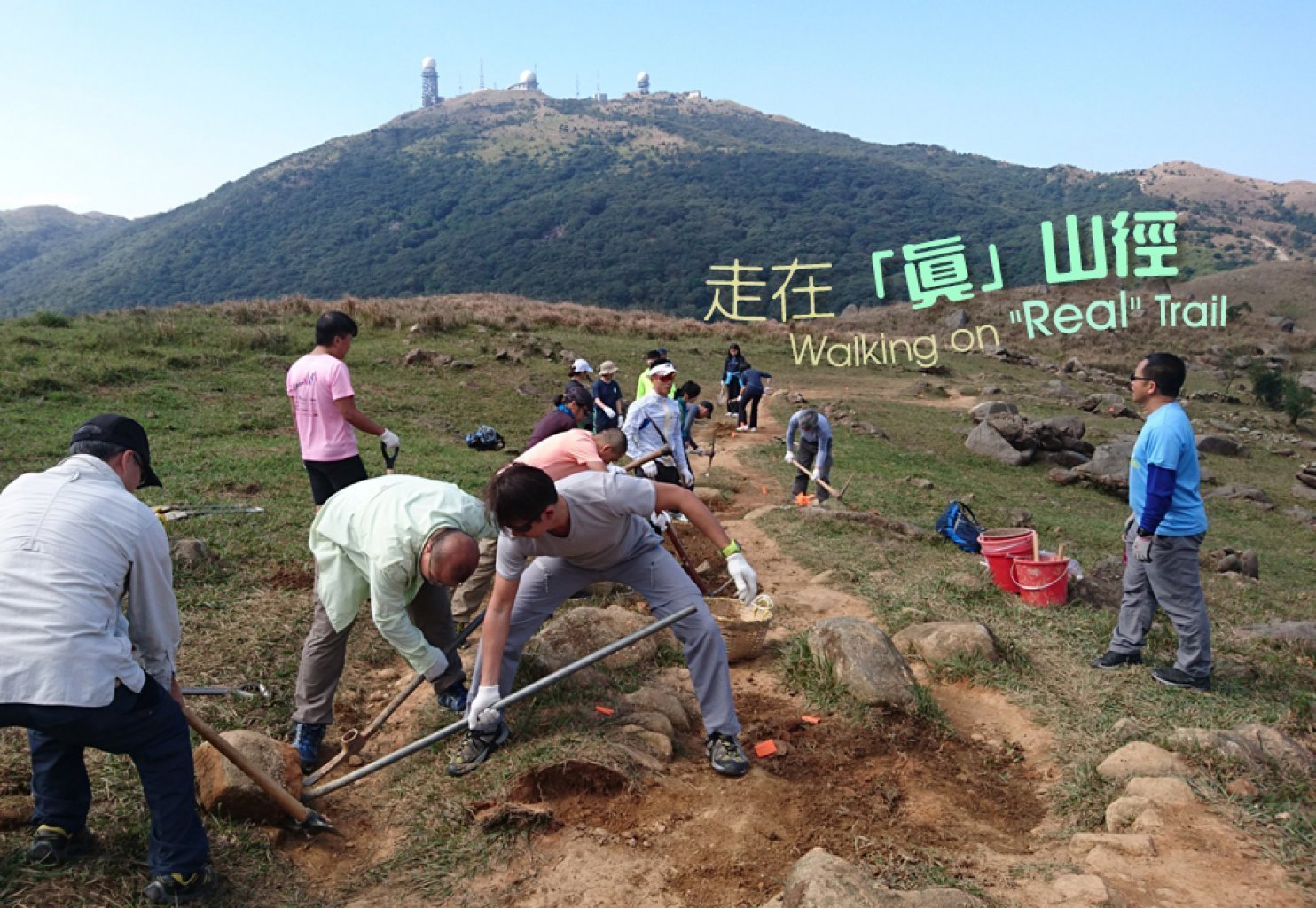
In recent years, spending time in nature has become a popular option for weekend getaways. Visiting countryside with friends and family is a great way to escape from the city’s concrete jungle. Meanwhile, have you ever paid attention to the trails that lead us into the nature? Are they natural or man-made? Are they paved with woods and stones, or flat and concretized?
Still remember the concretization of Tao Fong Shan’s natural path in Shatin? How about the discovery of soft matts mysteriously placed on concrete steps along the Tuen Mun Trail? Two years ago, some hikers noticed that many natural trails were quickly turned into concrete paths. Alarmed of the potential that concretization becomes the norm, they formed the Concern Group on Concretization of Hong Kong Natural Trails, with the aim to preserve ancient trails and reduce ecological damages caused such operations.
Flat concrete trails might seem safe in appearance, but walking on these hard surfaces for long hours might cause chronic injuries to your knees and joints. When constructing a concrete trail, plants on both sides have to be removed, and a separate path is created to transport construction materials. Hence, some damages are already done before the concrete trail construction is complete.
Upon completion, area that were originally covered by vegetation are now covered by a thick layer of concrete, gravely affecting the root development of trees and scrubs nearby, hence reducing the capacity for soil to absorb rain water, leading to subsequent soil loss. On the other hand, a flat trail does make lives easier for village residents and make the paths accessible to disabled persons. What is the best solution? How to make choose between natural and concrete trails?
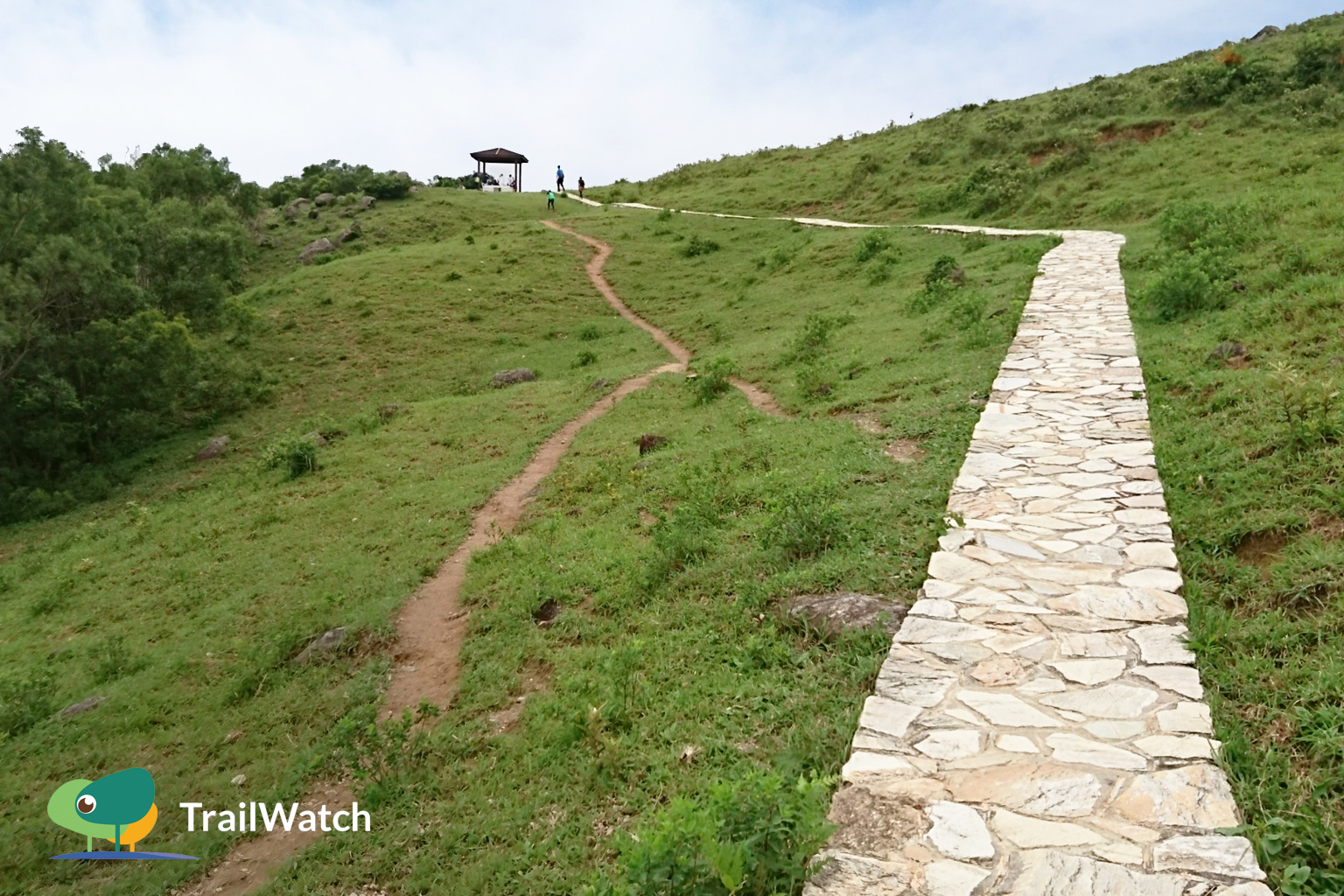
Concretized Yuen Tsuen Ancient Trail versus unpaved path on its side
Agriculture, Fisheries and Conservation Department (AFCD hereafter) held a construction workshop last year. In collaboration with Green Earth, they recruited volunteers and engaged them to revive trails. As legally protected by the Country Parks Ordinance, conducting any activities that involves earth digging / path destruction and disturbance to vegetation could be breaking the laws. Volunteers were therefore eager to take part in this rare opportunity.
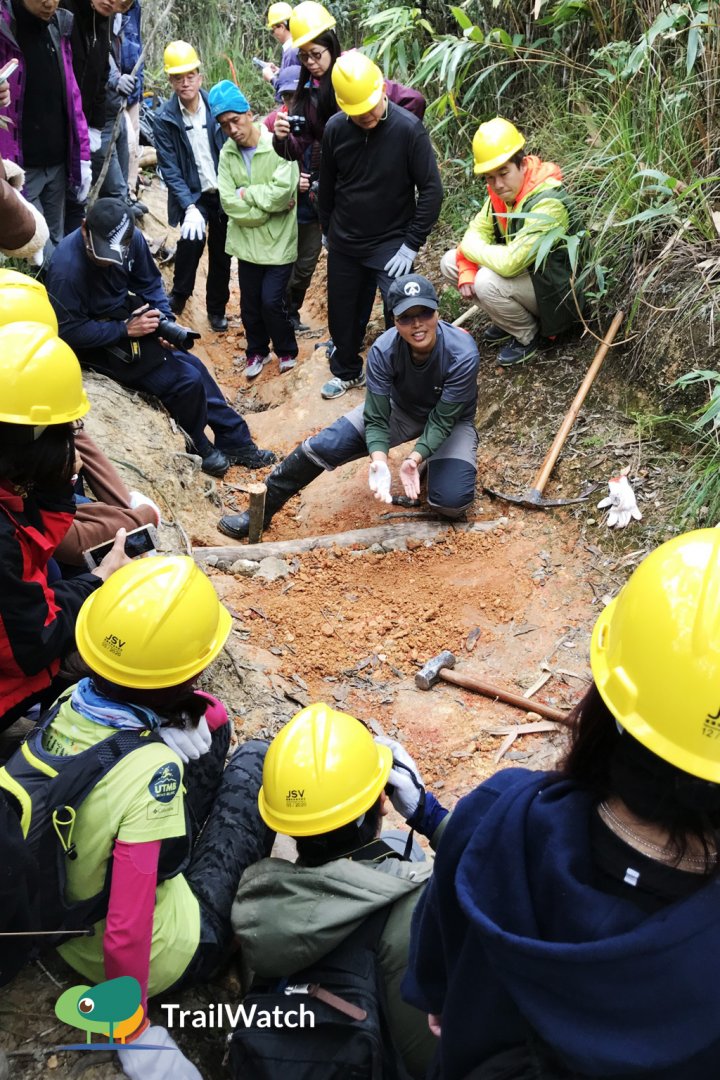
AFCD invited Professor Ming-Chien Hsu, deputy chief executive of The Thousand Miles Trail Association (TMI Trail) from Taiwan to share knowledge and demonstrate skills in trail maintenance and revival
Close to Sze Fong Shan’s pavilion on Maclehose Trail, AFCD are discovering more and more tracks branching out from the official trail. It is speculated they are created by hikers seeking to take shortcuts, yet they are causing soil loss. During the workshop, we worked on sub-divided sections and aimed to repair these pathways. After physical warm ups, volunteers listened carefully to AFCD officers who explained important points to note and taught volunteers how to use the tools correctly.
To revive the area, volunteers made the original path narrower by covering the surface with a layer of vegetation; stones are gathered from the surroundings for paving the trails. Slow but steady, this is borrowed this methodology used in constructing Eco-Craft Trails in Taiwan. This workshop not only engaged volunteers in the repair process first hand, but also made them understand the importance to keep to the official path and not create new tracks that might cause environmental disturbance.
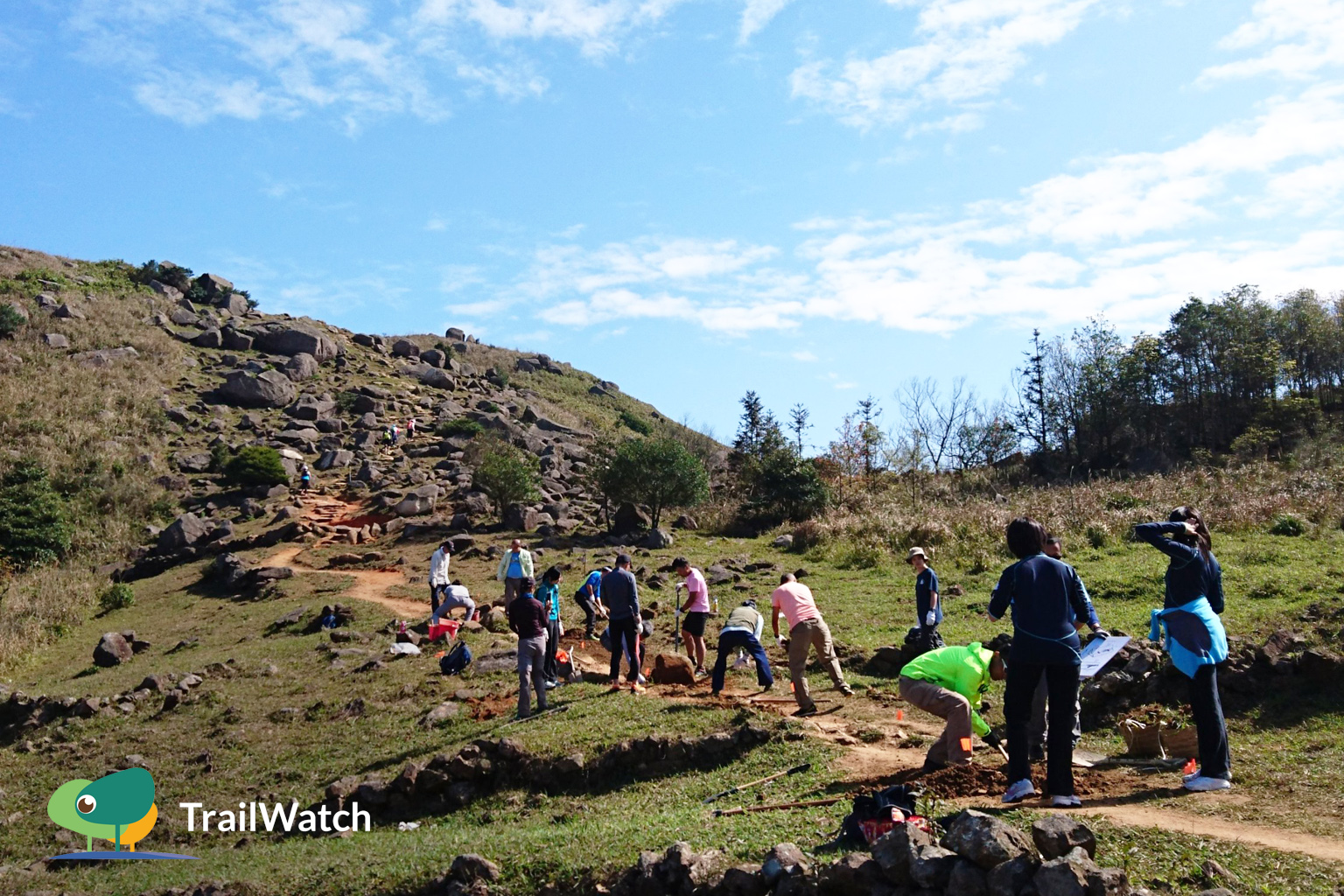
Volunteers repaired the trail using soil and grass layers from the hill
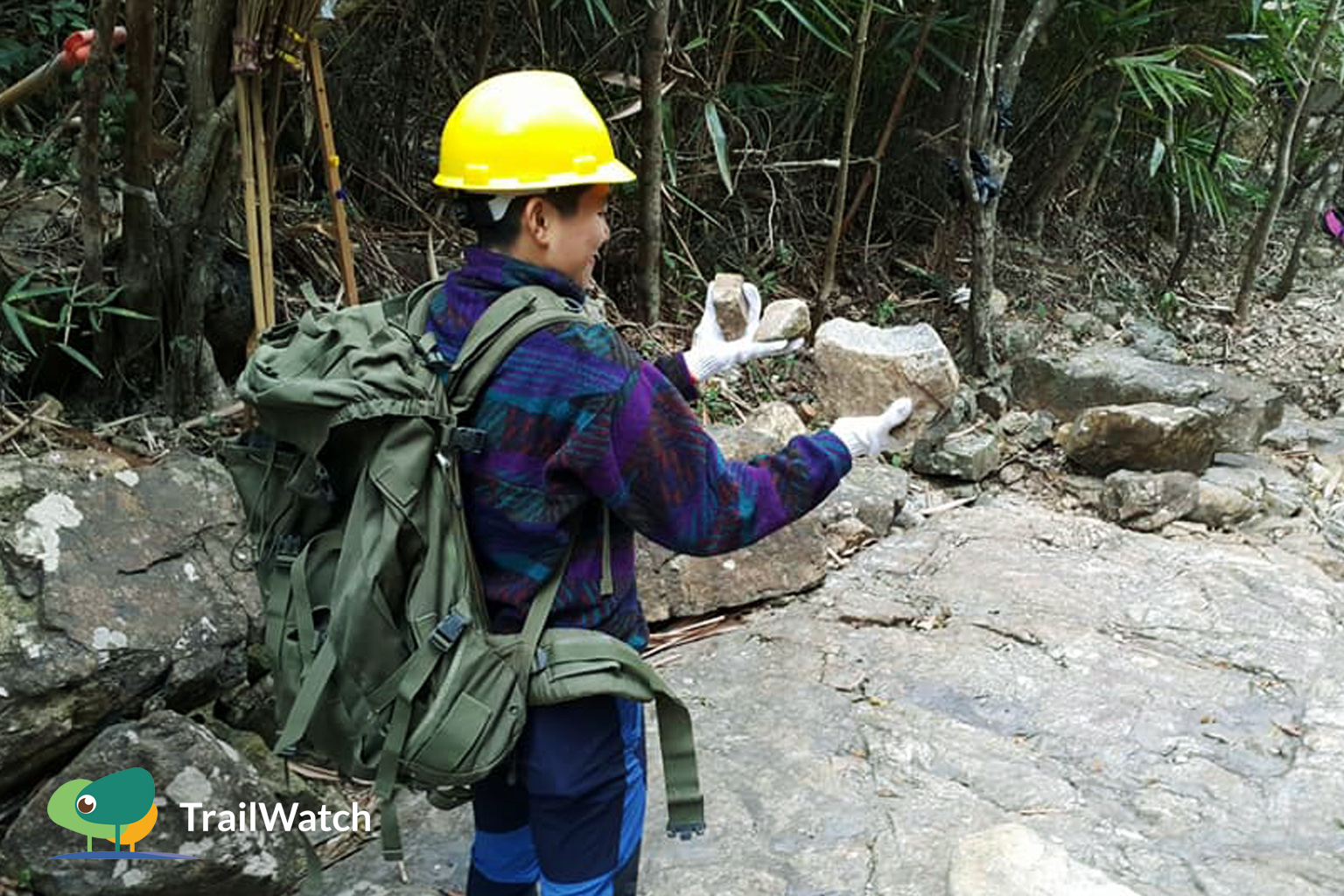
Together with AFCD technician, volunteers gathered stone from riverside and used them as pavement materials
The Thousand Miles Trail Association (TMI Trail) from Taiwan stressed that “using your hands” and “using on-site materials” are the most appropriate way to maintain hiking trails, as big machineries and alien materials are “invasive” and would cause irreversible disturbance to the natural environment.
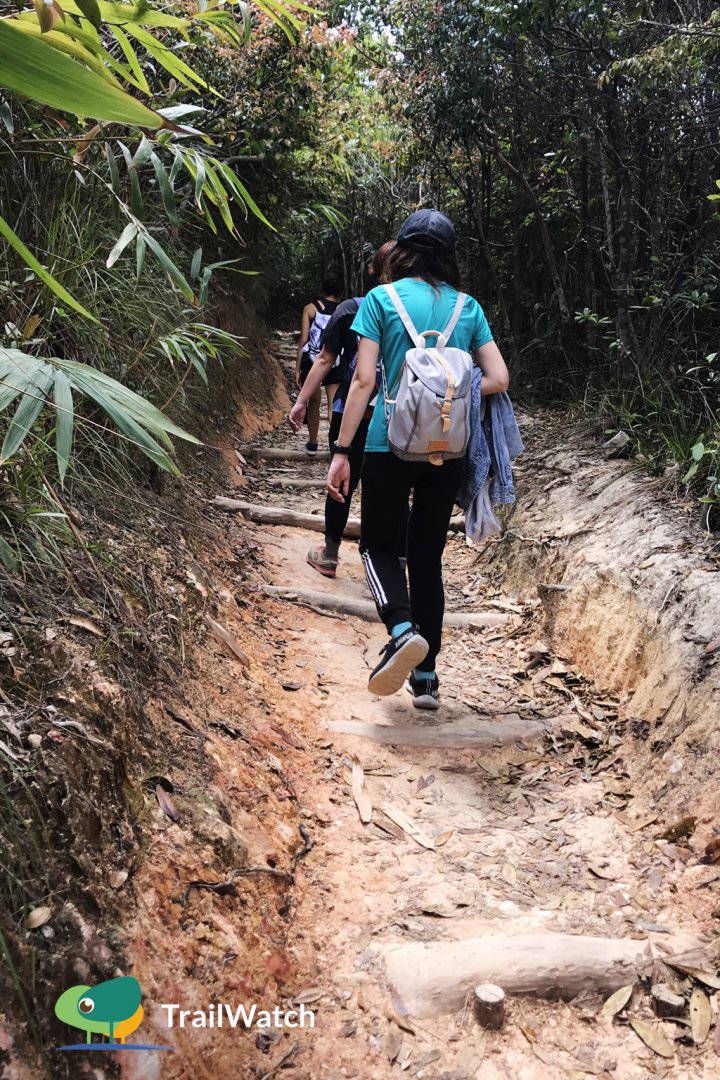
Section 1 of Wilson Trail near Tai Tam Reservoir after revival operation
For the public to learn more about “Eco-Craft Trail” and knowledge related to trail maintenance, Green Earth is launching an educational programme on construction of sustainable hiking trails and the practice of Leave No Trace. All are welcome to join. It is through hiking trails that we enter the nature, when you on one next time, take the opportunity to put on your thinking hat – take a look at the pavement materials and ask yourself if an alternative could be used instead; think about what we can do to preserve our beautiful forests in Hong Kong.
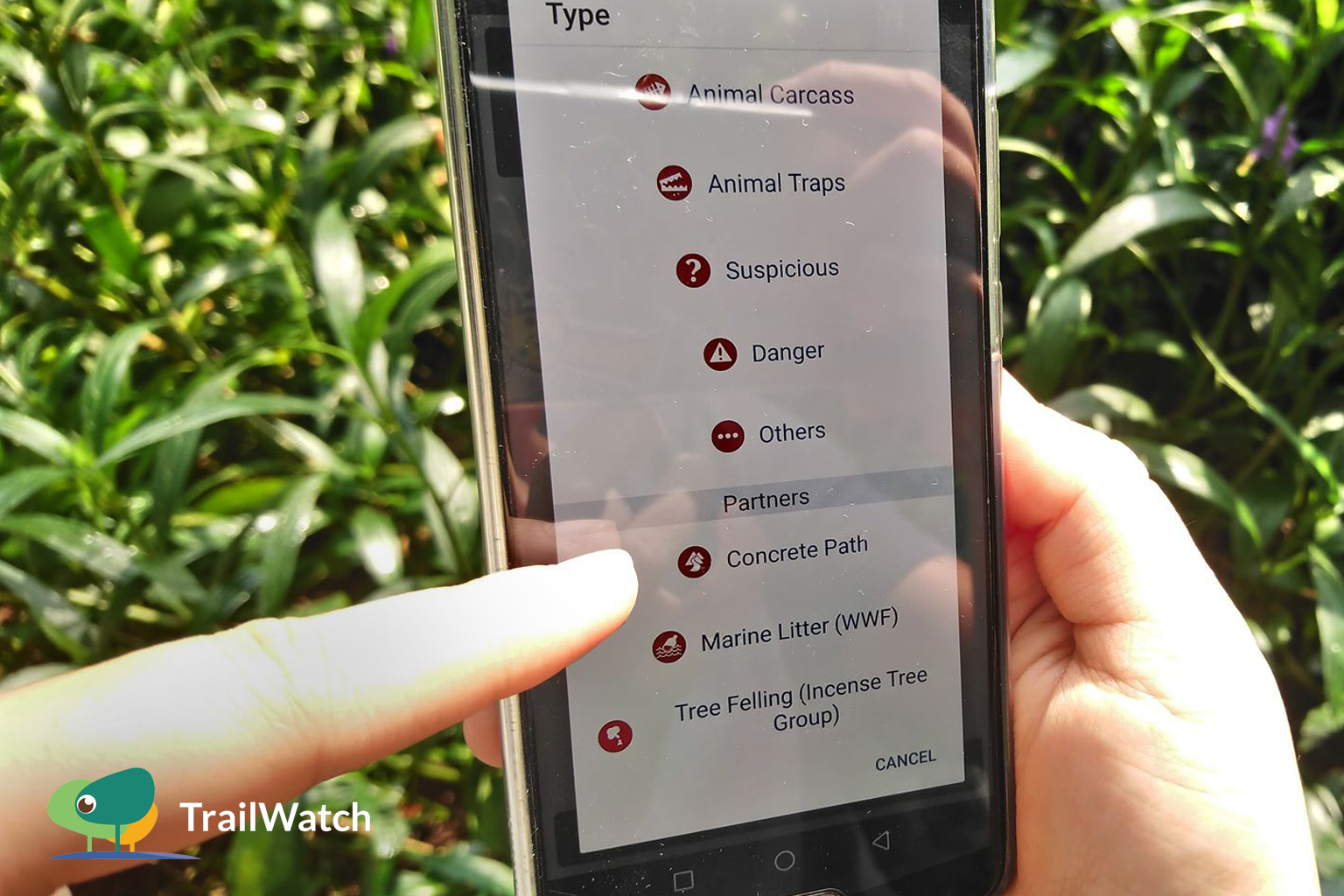
Please report the incident if you discover any trail concretization
If you discover any operation that is trying to cover the trails with concrete, look around for documents indicating whether the operation has been approved by authorities. The document might be attached on construction installation and machineries. We recommend you only record images and report the incidents through TrailWatch App under safe circumstances. We will relay the information, which will be followed up by Concern Group on Concretization of Hong Kong Natural Trails.
Sharing from Green Minion Trainee
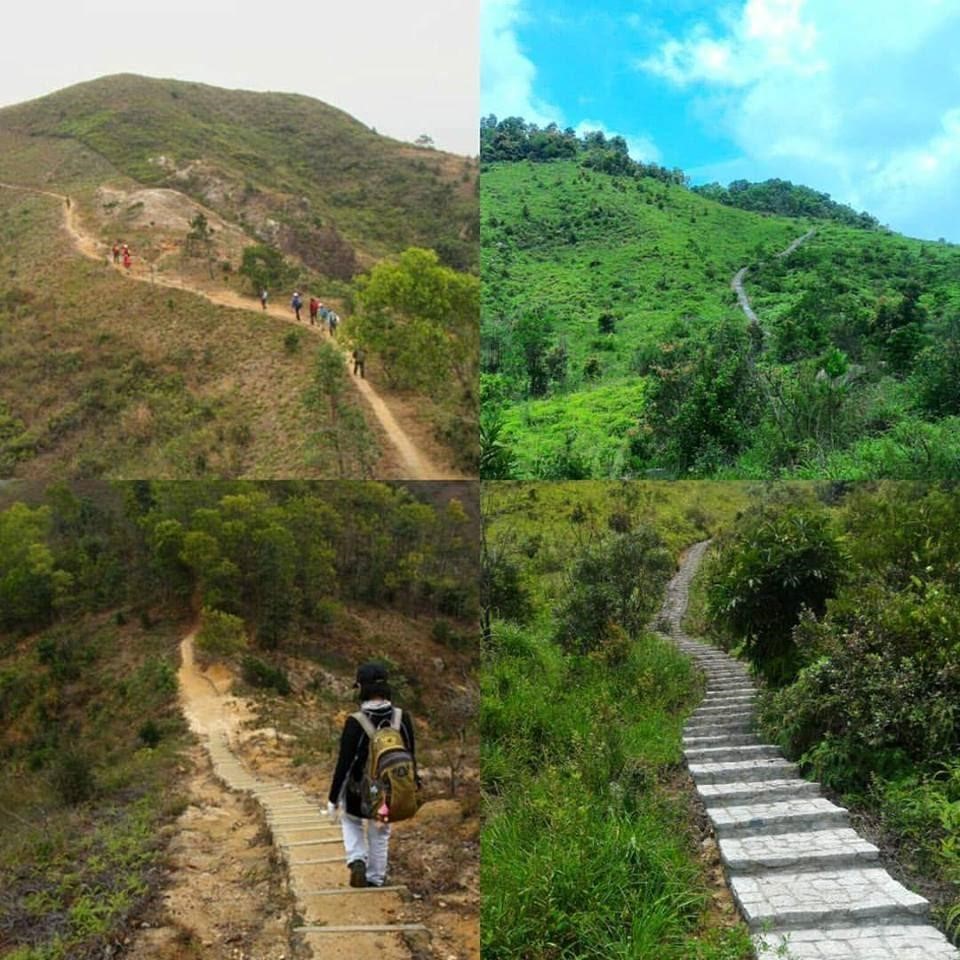
[ If you also like hiking…. ]
Photos on the right shows a path near Kam Sheung Road leading up to Sze Pai Shek, it is a concrete path roughly 1km long; on the left are photos from internet, showing the same path but unpaved, in 2014. Some may say “What’s wrong with concrete paths? They are easy to walk on and make the nature more accessible!” If this is what you think, you are probably too used to city life and seldom go hiking or spend time in countryside. It’s crucial to understand that the planning of nature trails requires specific methodologies, and the mindset of urban planning in built environment do not necessarily apply.
Unrooting vegetation and pouring concrete over is not the only way to create a trail. For instance, stones or wooden planks could be used instead. Moreover, are concrete trails really easier to walk on? When climbing up the steps, the hard surface would make your feet more prone to ache and get tired; they are more slippery when it rains. It would be easier if the path is relatively flat (but why the need of concrete if it is flat anyway). Construction material of the trail is of course not the only determinant for safety, as we should also assess the surroundings, steepness of the slope and overall landscape etc. Finally, do not underestimate the ability for elderlies and children to adapt to the natural environment. If you insist that concretized trails are “cleaner”, maybe it is time to rethink what you go hiking for?
Extended reading:
Concern Group on Concretization of Hong Kong Natural Trails: https://www.facebook.com/HongKongNaturalTrails/
Eco-Craft Trails: http://www.oasistrek.com/blog_handcrafted_trail.php
Concretized trails – an eyesore in the landscape and hard to walk on: https://goo.gl/CjV1Kd
Volunteers helped maintain nature trails: https://goo.gl/F4acF4
Soil loss due to hikers creating new random tracks: https://goo.gl/yyrqXV