Hong Kong has a subtropical climate with four distinct seasons, sometimes the temperature in summer is even warmer than in some tropical regions. Hong Kong’s weather provides various habitats to a wide variety of living creatures; mangroves being one of the best habitats.
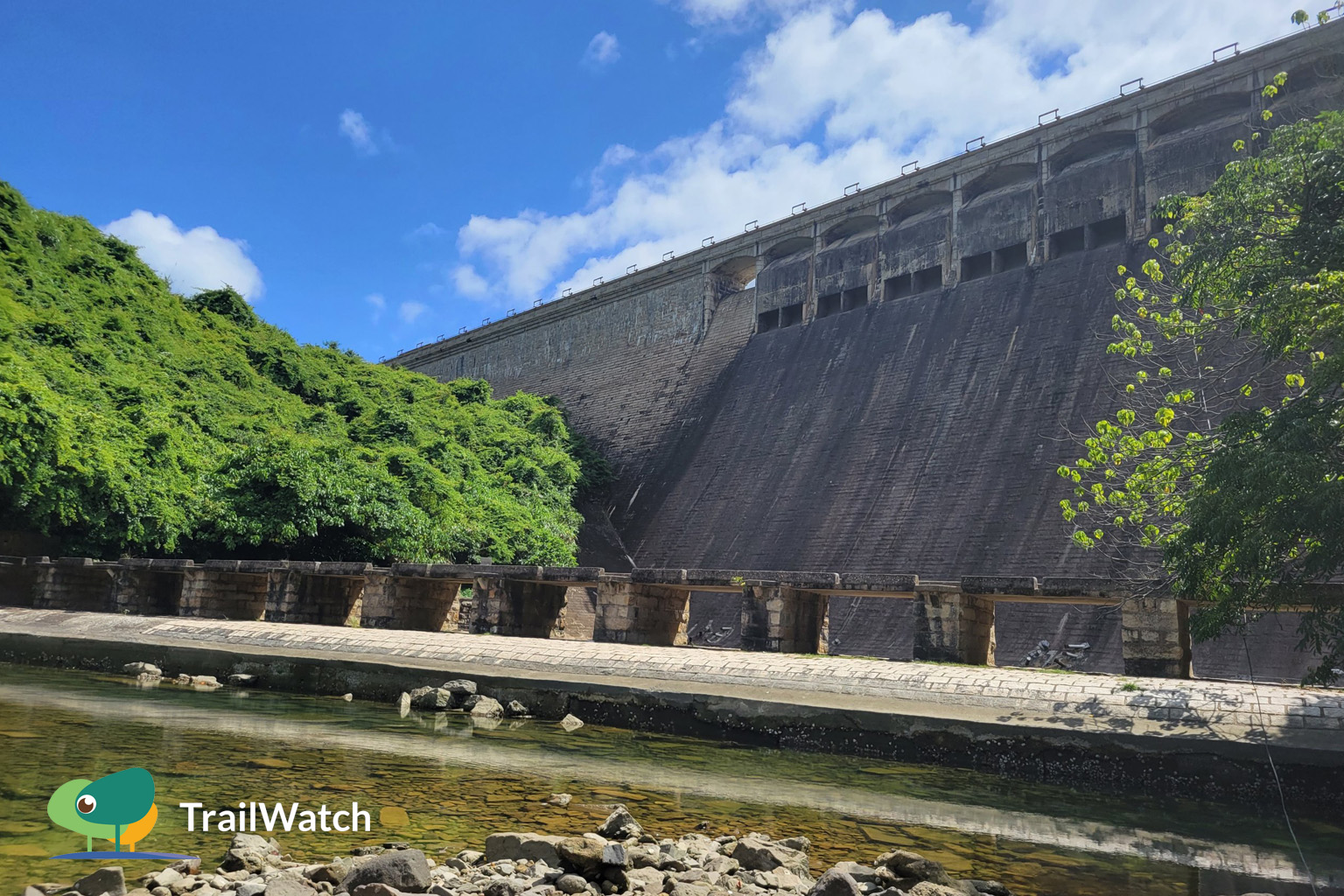
A mangrove is a wetland ecological environment that is part of the intertidal zone. Tai Tam Mangrove is near Tai Tam Reservoir so if you visit, please be reminded not to trespass the waterworks facilities. Tai Tam Mangrove is located in an inner bay. Its unique geographical location protects the shore from waves which allow the organic matter to precipitate and fertilise the soil, as well as to facilitate the growth of mangroves. The mangroves grow in brackish water; as such, there are variations in the living environment due to tide, temperature and other factors. When the tide rises, the roots of the mangrove species are soaked in water and the plants will become oxygen-deprived. Mangrove species have evolved unique structures to adapt to such harsh growing conditions. In Tai Tam Mangrove, many Kandelia obovata grow along the shore and it is common to see its pointy seeds fall from trees. These seeds firmly root into the soil so as to resist the current during tides.
There are many kinds of mangrove species in Hong Kong, and some species have aerial roots in order to obtain oxygen when the tides rise. Look closely at some mangrove species and you might find some white “powder” on the leaves. These species have salt glands in leaves which can excrete salt to avoid dehydration from high salinity. The following photos show common mangrove species in Hong Kong that are not only limited to Tai Tam Mangrove:
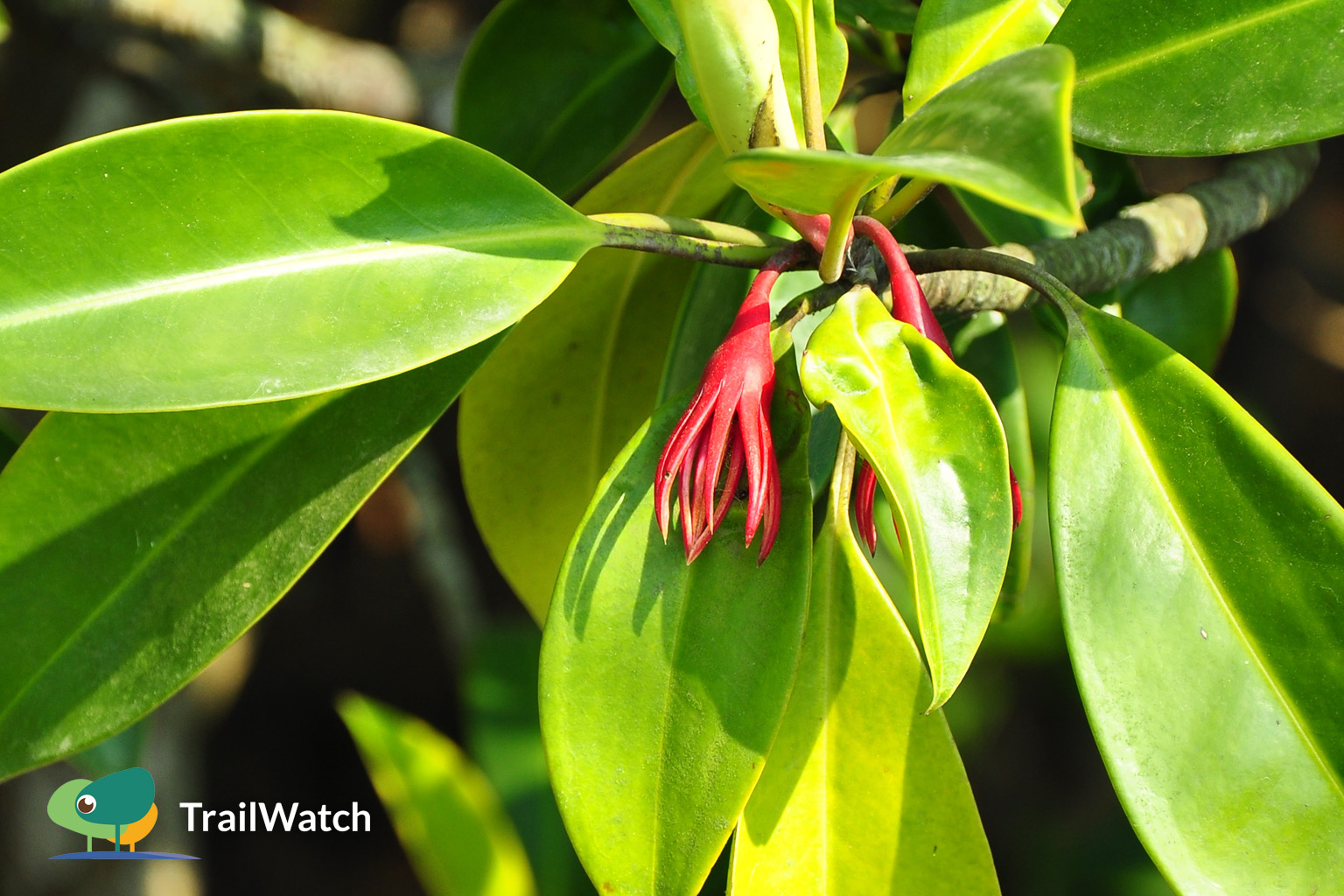
Many-Petaled Mangrove (Bruguiera gymnorhiza)
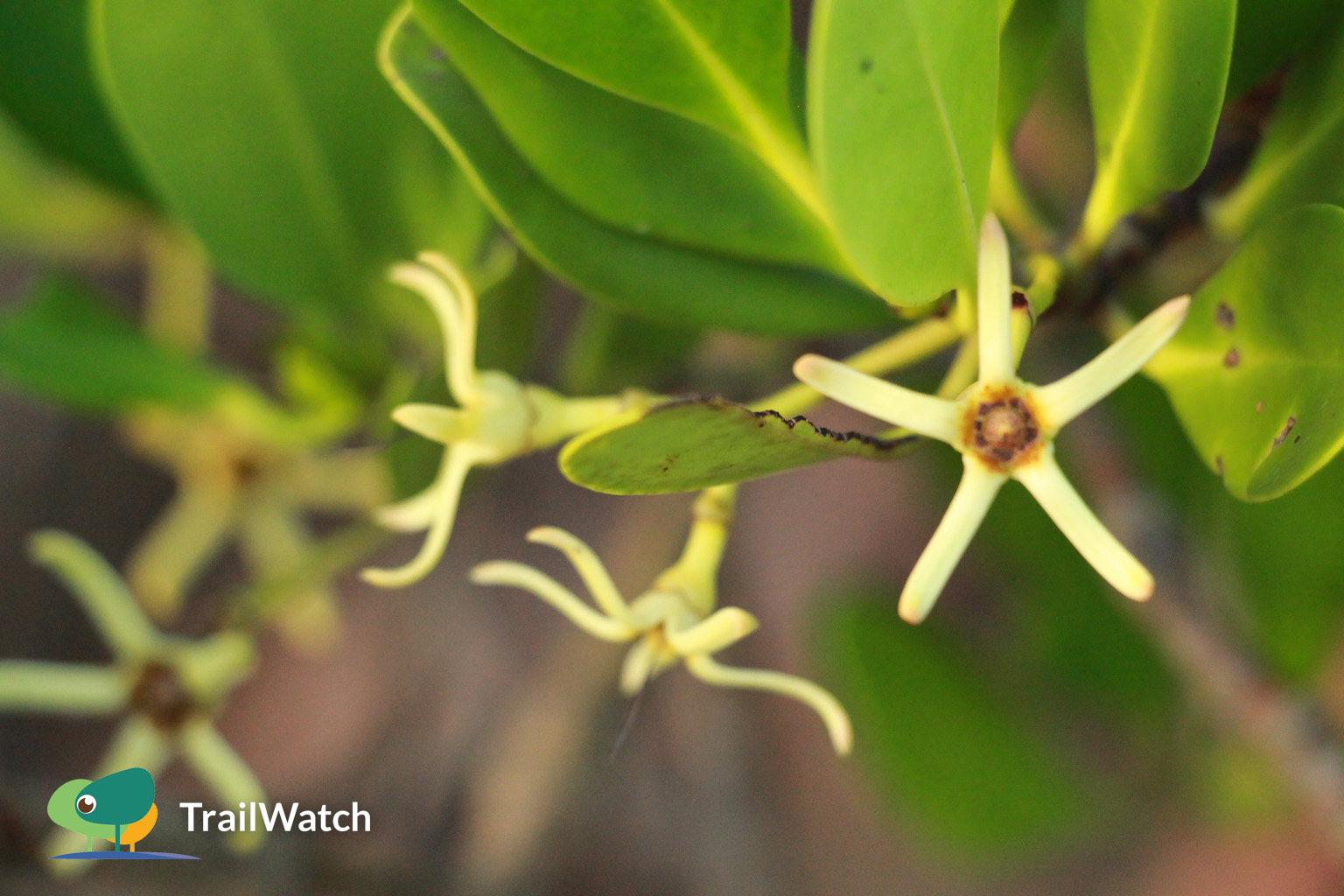
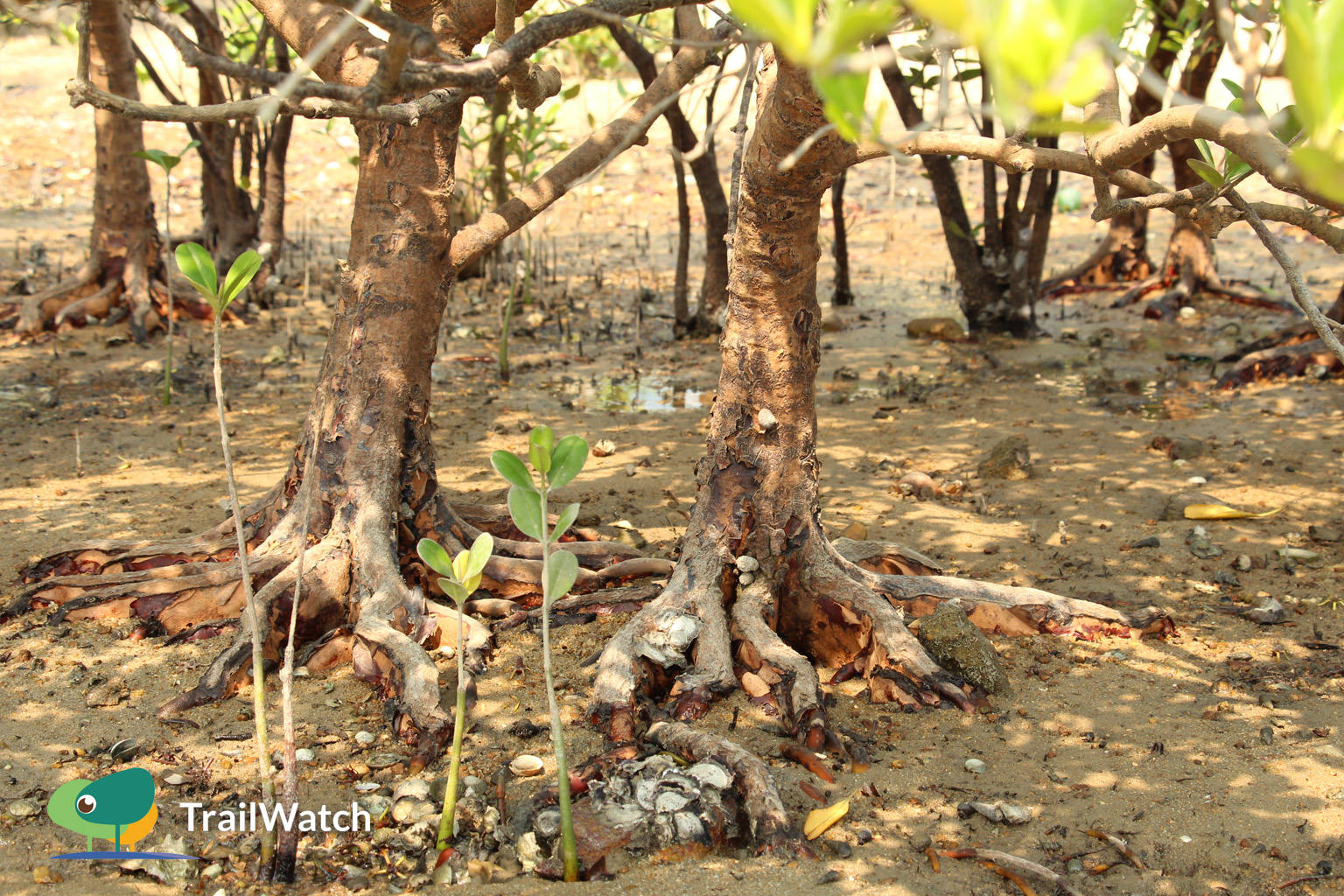
Kandelia obovata
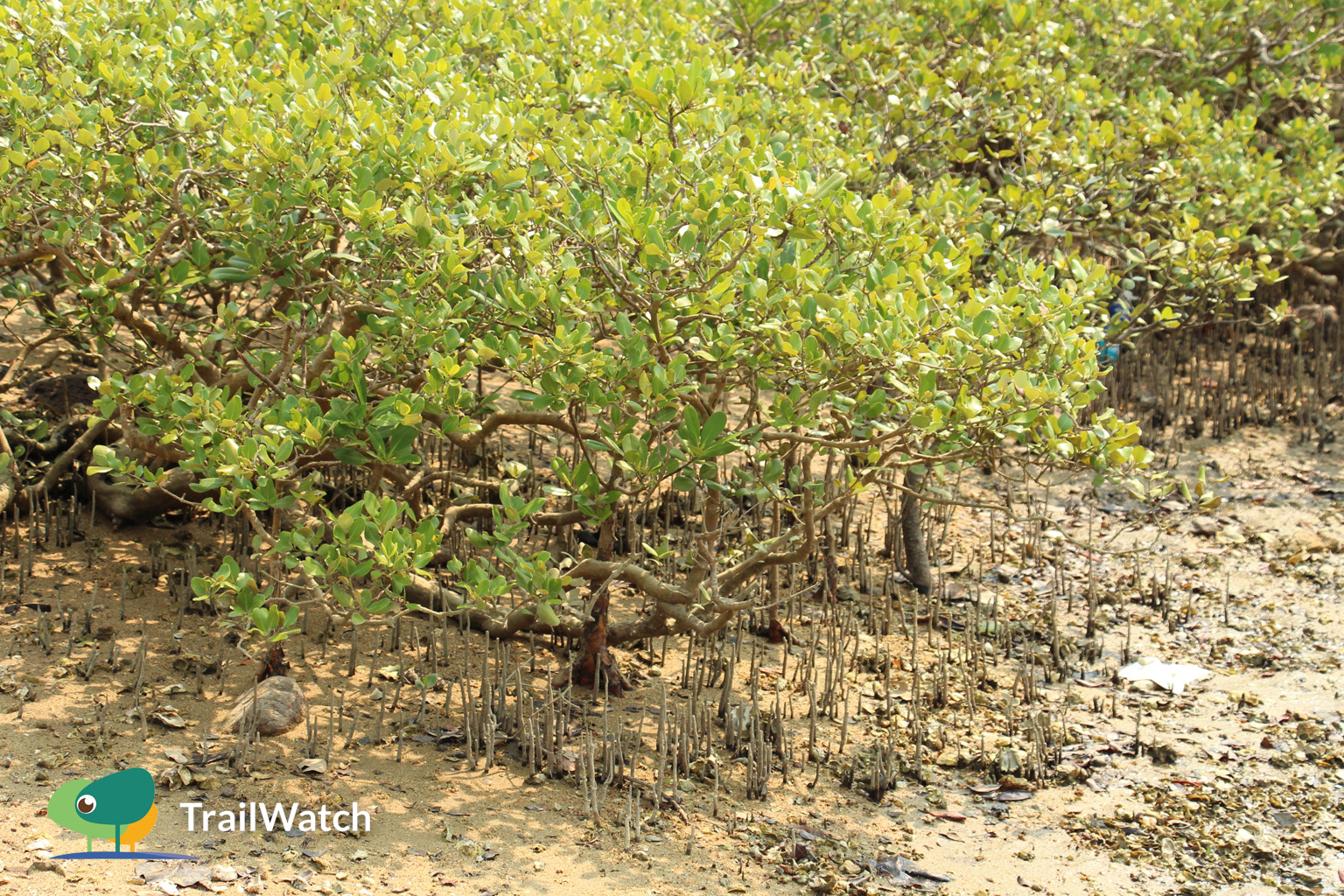
Avicennia marina
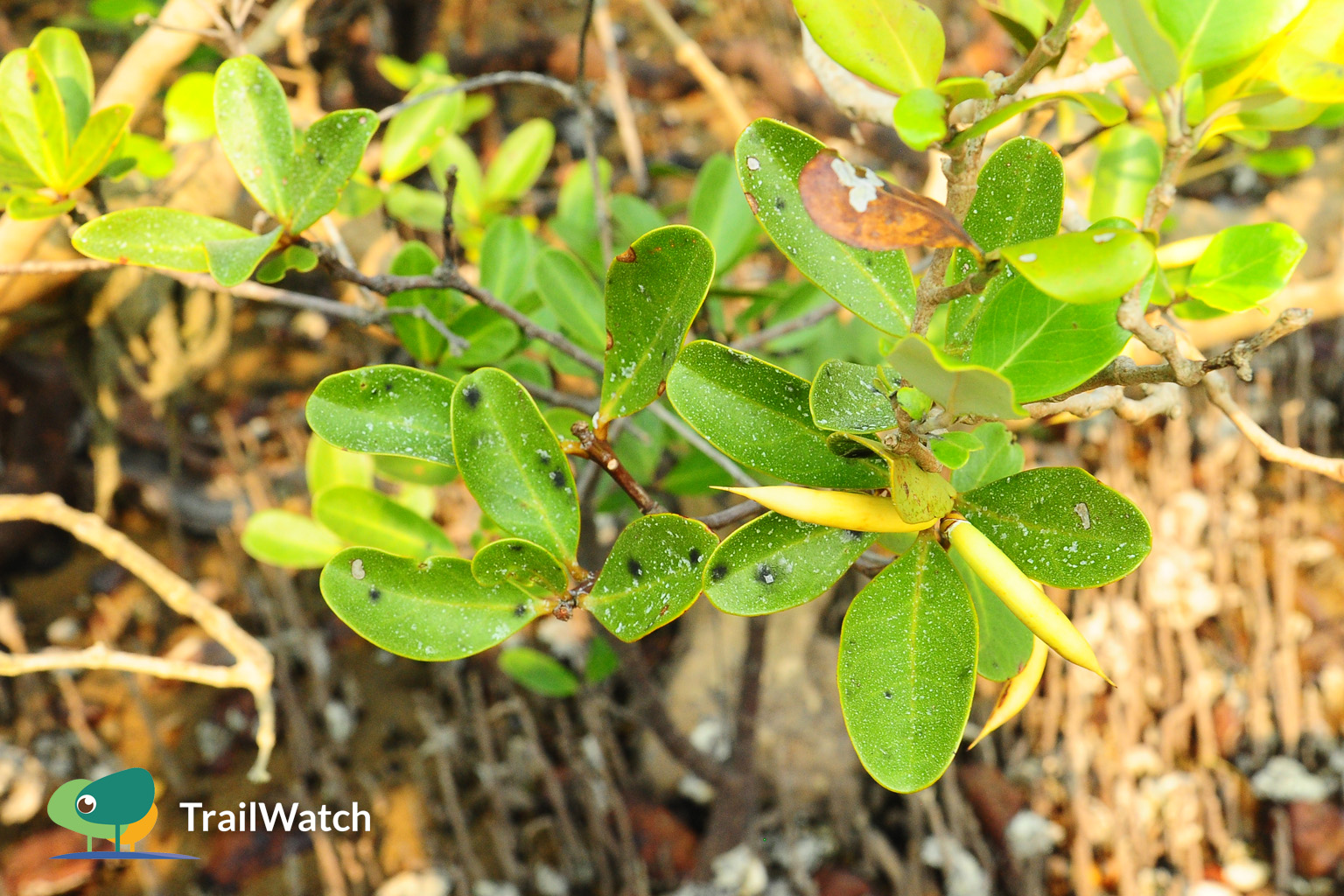
Aegiceras corniculatum and its salt gland
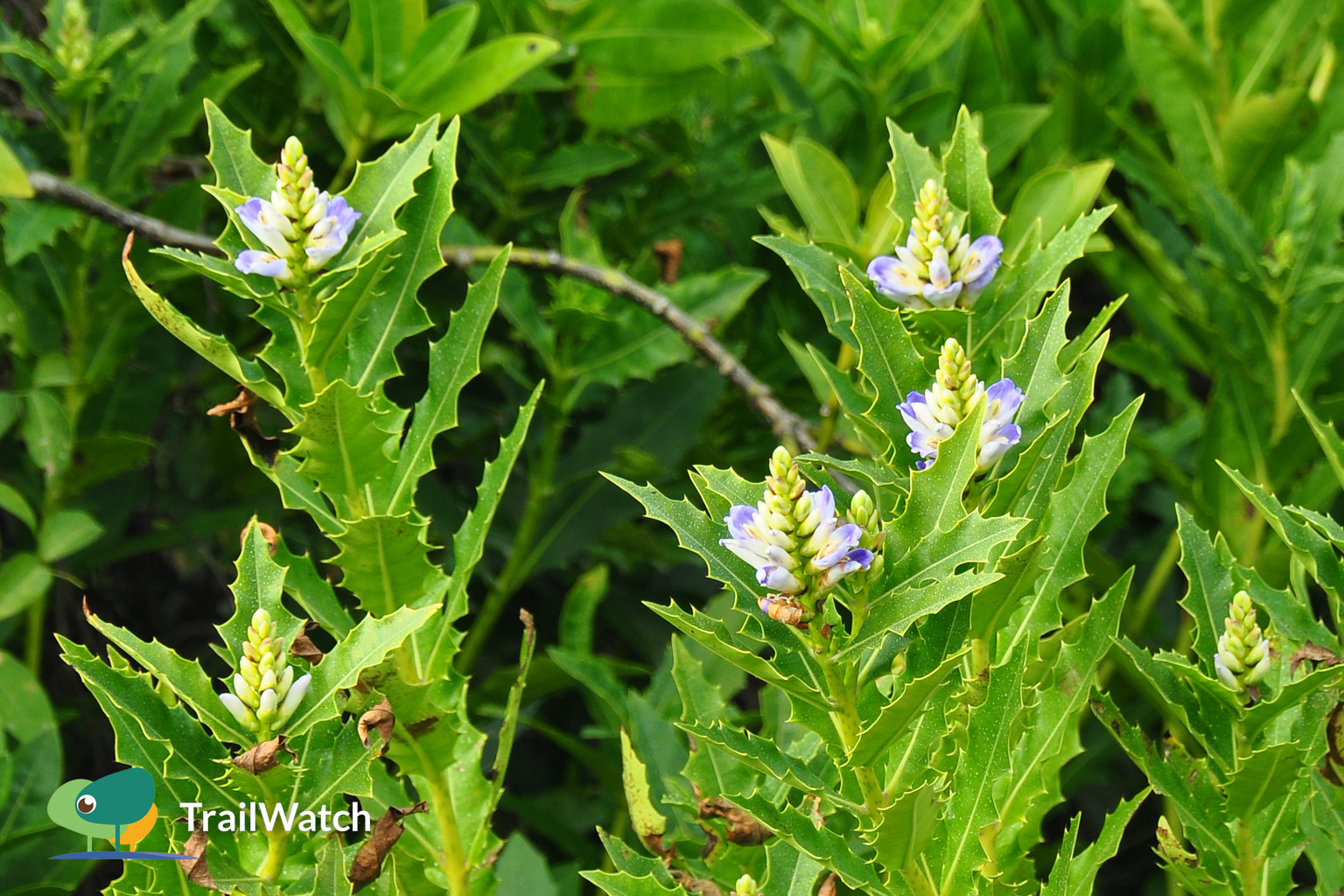
Spiny Bears Breech (Acanthus ilicifolius)
There are not many different mangrove in Tai Tam Mangroves, nonetheless this place is rich in biodiversity, especially for benthic organisms. Sesarmid crabs that live between rocks or underground are easily seen here. All you need to do is be patient and stay still and the crabs will slowly come out seeking food. When we look closer, we often can see that the sesarmid crabs are constantly putting sand in their mouths. Rotten plants are the main diet of sesarmid crabs, and occasionally they intake insects and other small crabs by filtering sand. On the mudflat, sometimes you’ll see there are crabs with one claw much larger than the other — these are the famous fiddler crabs, one of the species that are most representative of mangroves.
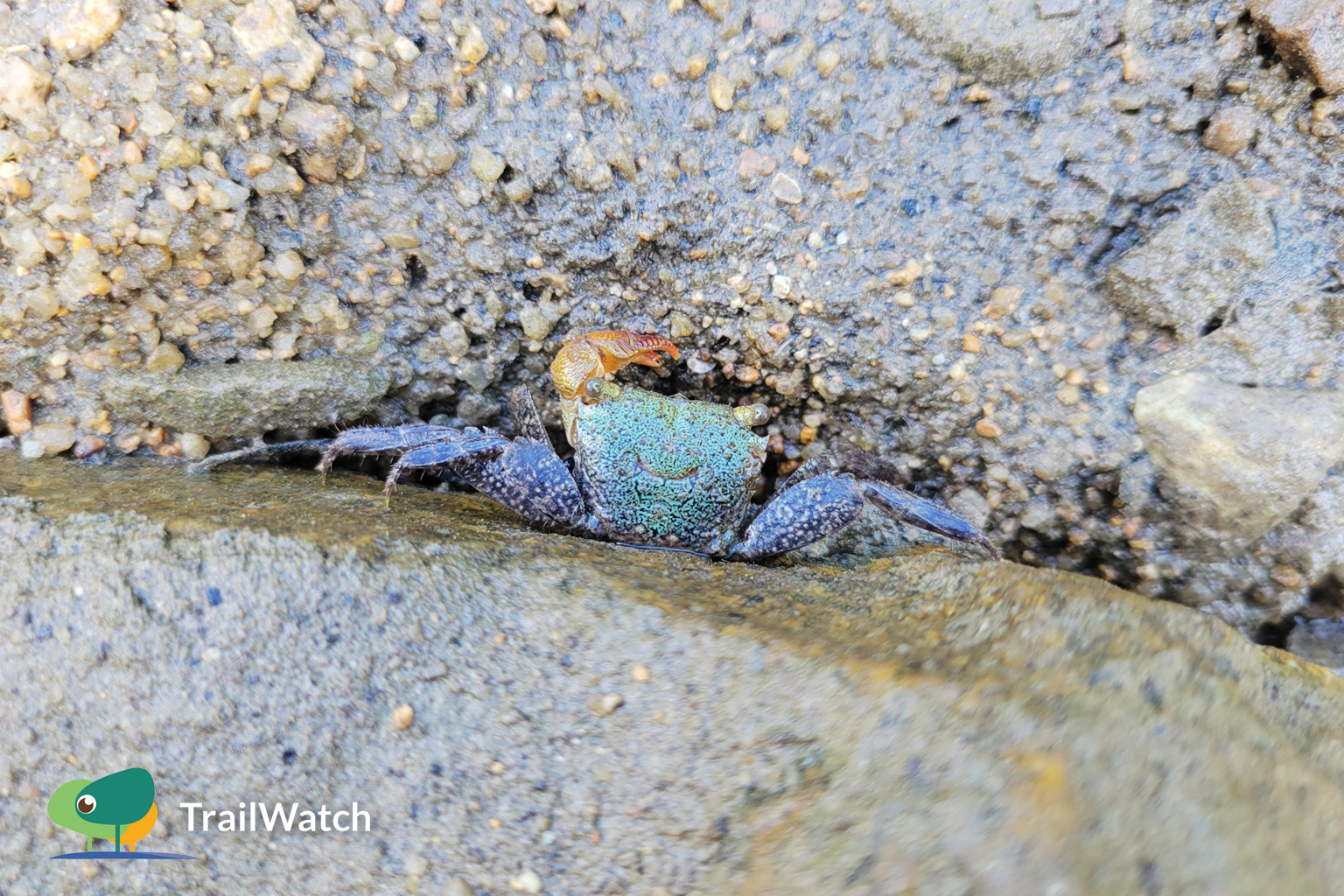
Sesarmid Crab
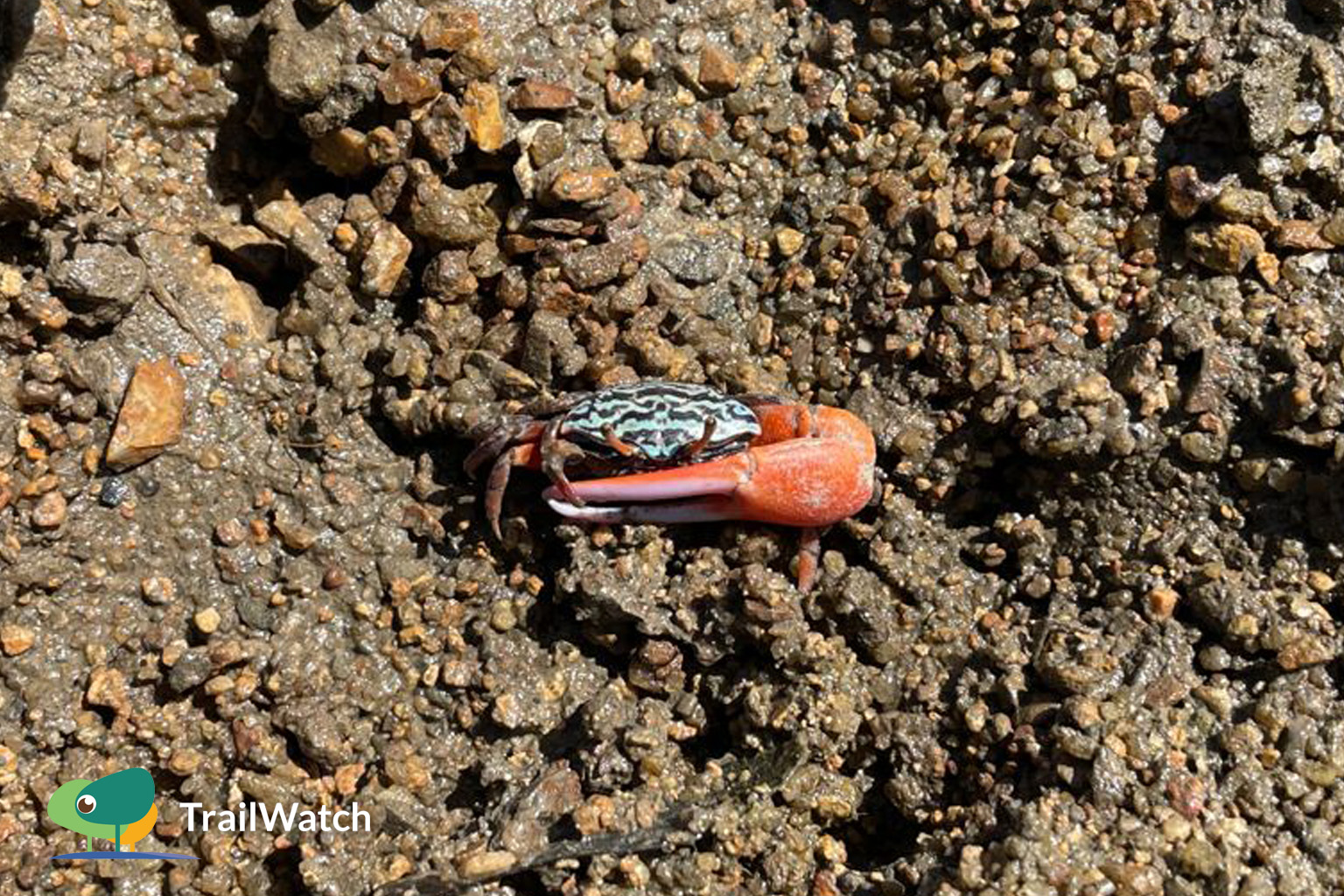
Fiddler Crab (Paraleptuca splendida)
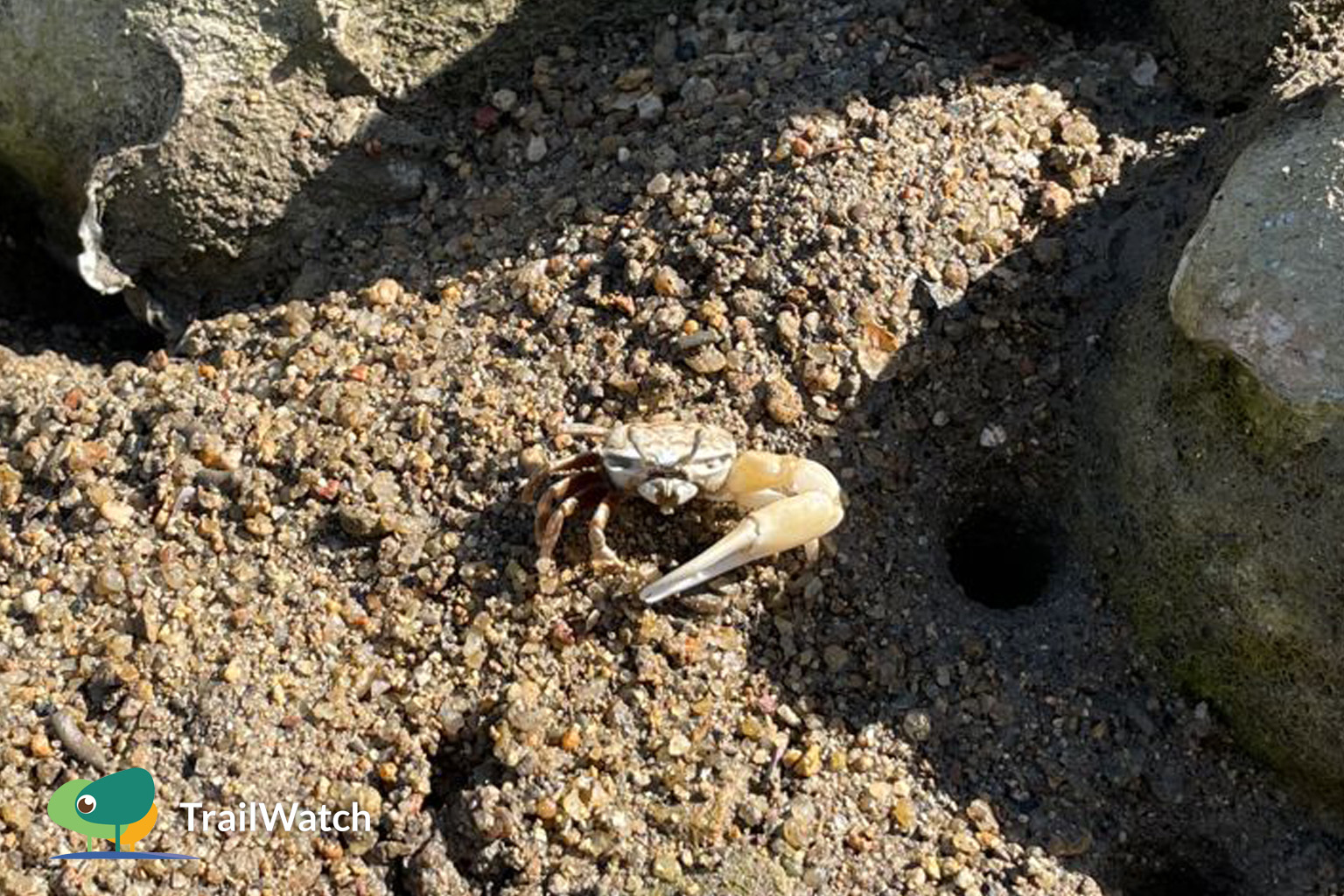
Fiddler Crab (Austruca lactea)
Mollusca are also very common in mangroves and mudflat ecology. When we went we found Terebralia sulcata, which has a small hole at the front of the shell that makes it easy to identify. Look around the mudflat and pay attention to any tiny motion, and you might find the onch slug (Onchidium spp.). Slugs are closely related to snails but have reduced shell and lungs. Although they do not have shells for protection, their body colour is camouflaged to the surrounding environment. They look like snails but scientists still know very little about them and have not figured out how they evolved. In some places like Taiwan, the onch slug is a local dish.
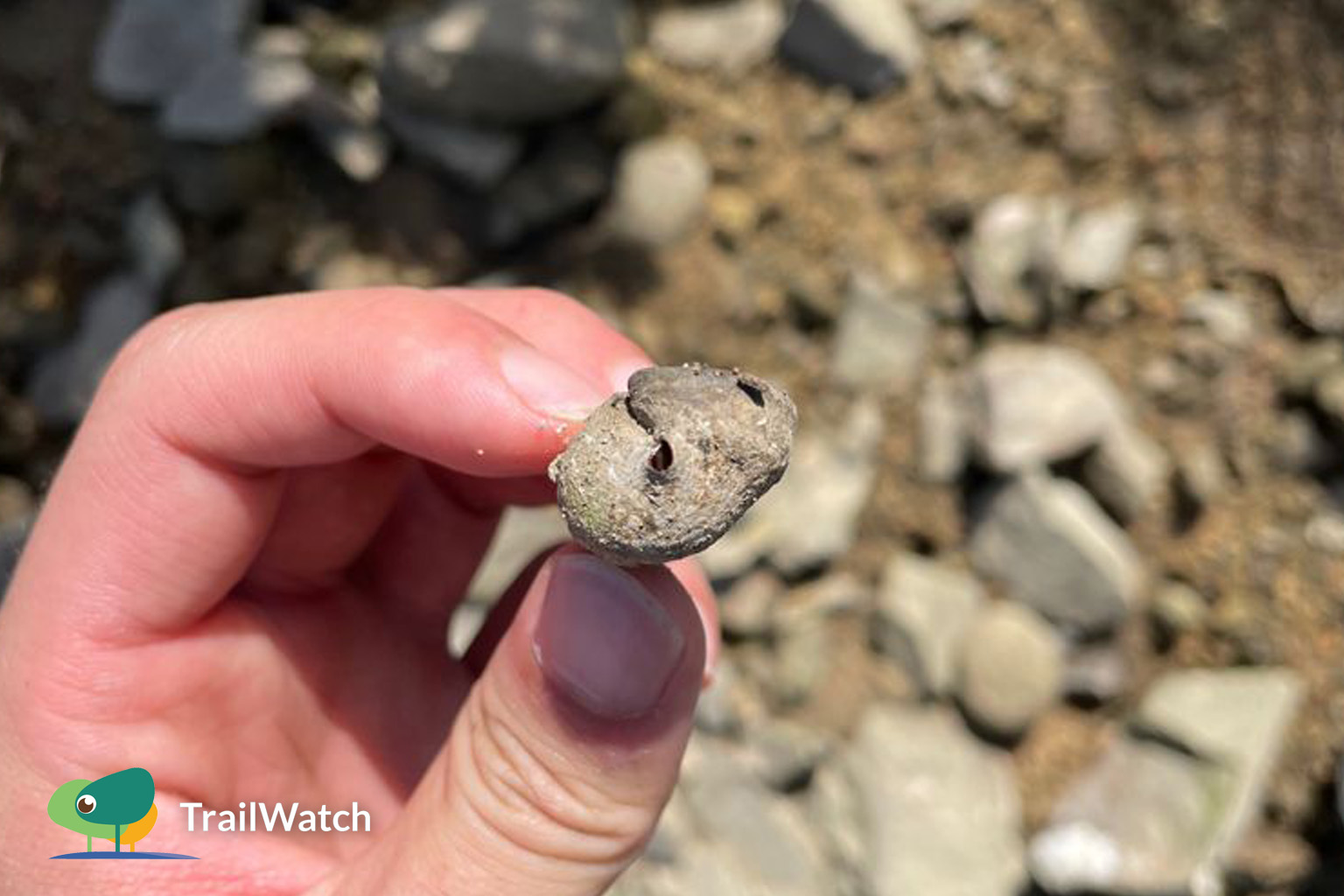
Terebralia sulcata
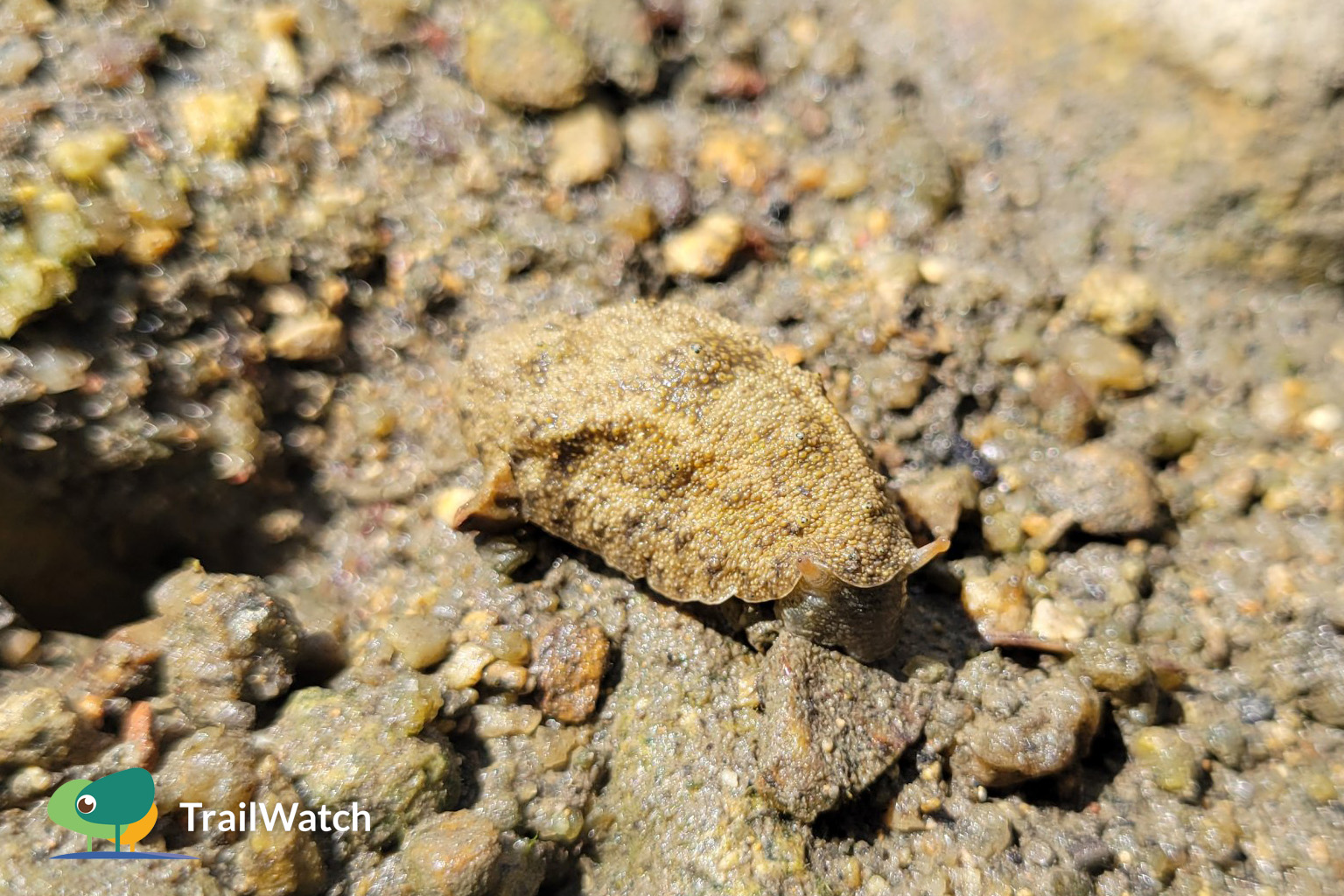
Onch slug (Onchidium spp.)
We have introduced quite a few mangroves species, animals and such but why should we spend time to understand and protect mangroves? Other than providing a unique habitat for different organisms, mangroves’ capacity to store carbon is even more surprising. Different studies in recent years have shown that mangroves are able to store four times more carbon than tropical rainforests. It is now recognised that mangroves are one of the important solutions to address climate change. Additionally, mangroves protect our coastlines from typhoons and strong waves, acting like breakwater but are natural and more cost effective. Since mangroves play such an important role for our environment, we should better protect it.
Recommended Routes around Tai Tam Reservoir