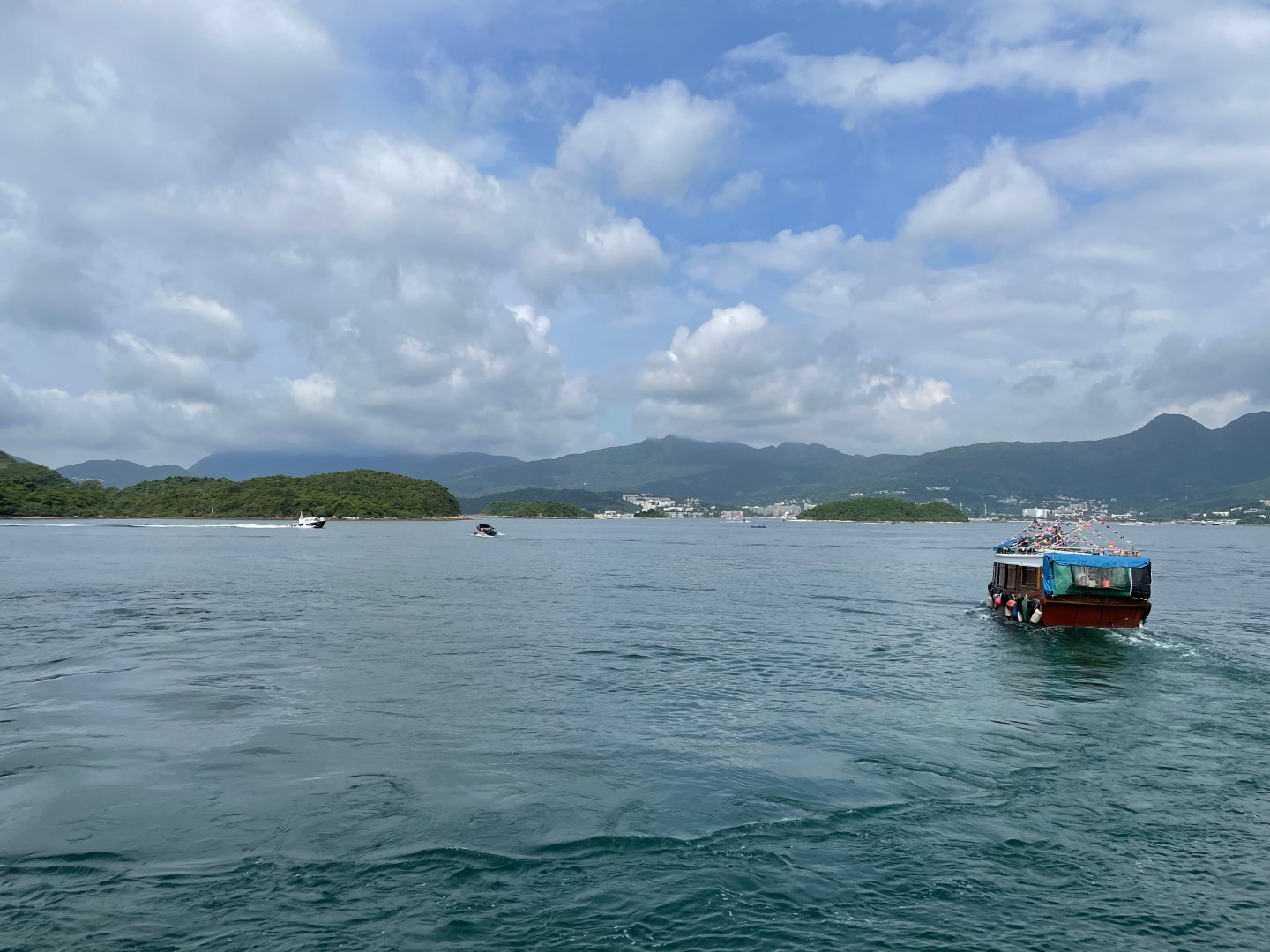
It’s almost the end of summer, meaning we are about to get out of air-conditioned rooms and go outdoors! Before the hiking season officially starts, how about arranging a few short trips to some islands as a transition? You may have heard of Cheung Chau, Lamma Island or Peng Chau, but Hong Kong has over 200 islands, some big, some small. Some of the islands are still inhabited, of which Yim Tin Tsai in Sai Kung is one of them.
A Petite and Delicate Island That Provides Art and Heritage
Yim Tin Tsai is a Hakka village over 300 years old, and only a little younger than the 400-year-old Lai Chi Wo. Yim Tin Tsai is just 3km from Sai Kung Pier, it takes around 15-minutes to travel there by boat. With a size of less than 1km², it is only approximately one tenth of the size of Cheung Chau. Yim Tin Tsai is a flat island with a highest altitude of 37km, which makes it not too difficult to walk around the island. There are few residents on the island, both indigenous inhabitants and also residents who have moved in in recent years.
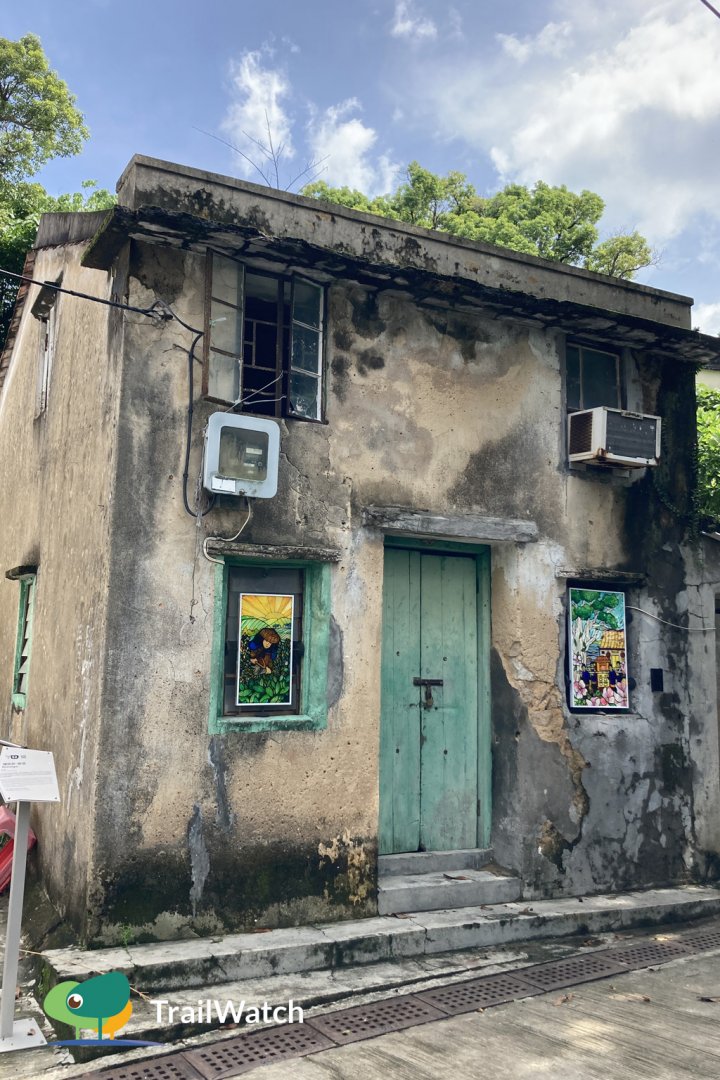
Once you have arrived there, you will be attracted to the tinkling and colorful hanging tube decors on the railings at the pier. This nicely decorated installation reminds people of the annual Yim Tin Tsai Arts Festival; it is one of the exhibits. The combination of island and artwork is reminiscent of the Setouchi Triennale (the Setouchi International Art Festival) that has attracted many travelers. Although there are no artworks as famous as Yayoi Kusama’s giant pumpkin, the art pieces there are very well integrated with the environment. For example, the abandoned houses are decorated with stained glass to showcase the lives of the indigenous inhabitants.
A few dozen meters from the pier is the Salt and Light Preservation Centre. If you take the ferry that is operated by this Centre, part of the fare is donated for conservation. The package also includes the entrance fee for the Centre where you can cool off while on the island. Other than information about the island, the Centre has engraved bronze plaques indicating that it has been awarded “UNESCO’s Asia-Pacific Heritage Awards for Culture Heritage Conservation”.
About 150 years ago, Catholic missionaries arrived on the island and every inhabitant of the island was baptized. The St. Joseph’s Chapel that was built at the time is now preserved. We do not have to fly to Milan to visit the historic Catholic Church, as this Romanesque-style St. Joseph’s Chapel is also rated as a grade II historic building.
Inheriting the Tradition, the Only Salt Field in Hong Kong
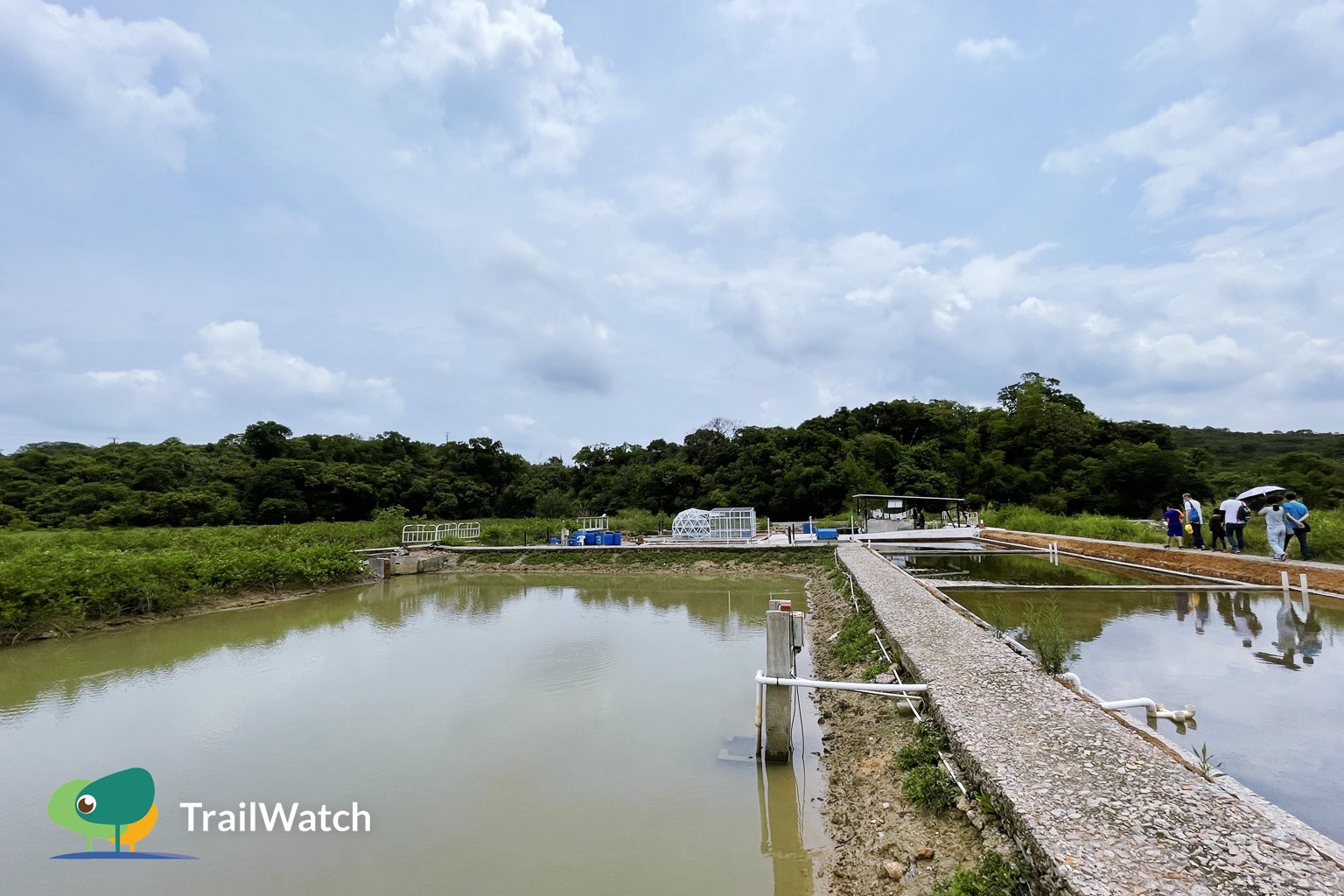
Hong Kong used to have a salt industry and five major salt fields, which were located in Tuen Mun’s San Hui, Wong Ka Wai, Sha Tau Kok’s Yim Liu Ha, Tai Po’s Plover Cove, Tai O and Sai Kung’s Yim Tin Tsai. Yim Tin Tsai is the only salt field that is still in operation and all other salt fields have been abandoned. It took over a decade and three generations of farmers for Yim Tin Tsai to recover. Today, guided tours and educational workshops are held there to let people experience salt making, serving as a practical science lesson.
According to Mr. Colin CHAN Chung-yin, the current “village chief” (village representative) of Yim Tin Tsai, the revitalisation of the salt fields began in 2011. They used an ancient method to draw the seawater into a cistern, then filtered through different evaporation ponds and dried into edible salt.

Years ago, the salt that was produced in Yim Tin Tsai could supply the entire Sai Kung, now the limited production cannot even satisfy the need for the local agricultural grocery stores. Joey Leung Cho-yiu, a local actor who loves cooking has even said that the quality of the salt is comparable to the top sea salt from France, which costs over $200 a bottle. Unfortunately, three salt farmers who have recently left their jobs stated that they have some reservations about the quality of the current product. In addition to visiting the salt fields, hopefully we can once again taste the best salt that is produced in Hong Kong.
Read More:
1. Yim Tin Tsai Festival
2. The Salt and Light Preservation Centre