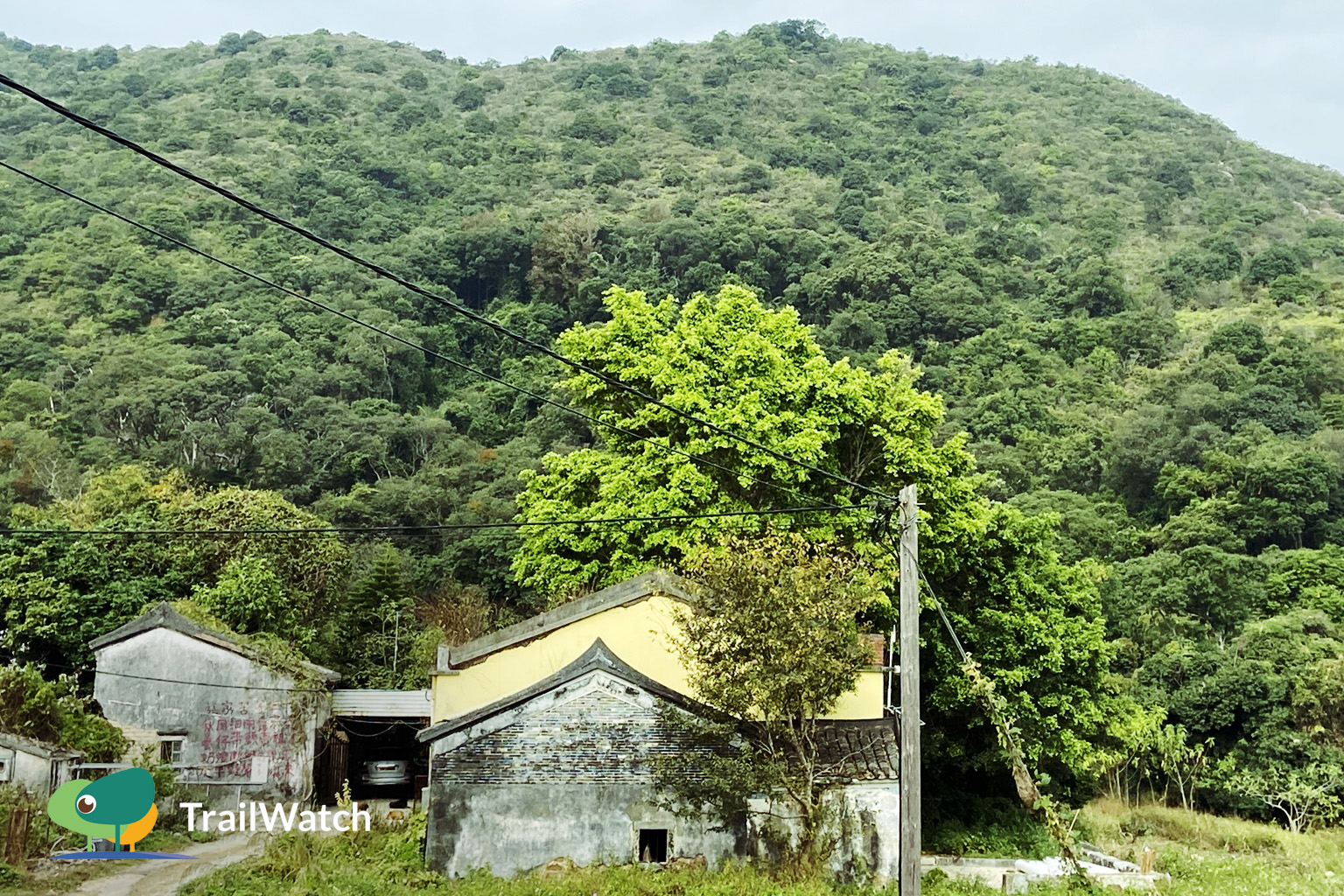
We commute from one place to another every day. Luckily, with technological advances, we have transport vehicles that allow us to travel great distances. But have you ever wondered what it was like back in the day when there were no cars?
Hong Kong has a hilly relief. In the past, people would climb over the mountains and slash through the woods, so that they can make trade with other villages. These trails link up different corners of Hong Kong and help villagers overcome the distance and relief. They are what we call today, “ancient trails”. These trails have been officially recorded on the British military maps as early as 1904. Even though they are over a hundred years old, don’t ever think that they are worn out and obsolete. Our ancestors picked boulders as the paving material in order to avoid the roads from being eroded away by rain. Each boulder was paved by hand one by one.
Today, some of these ancient trails are still kept in good condition. Although ancient trails are no longer our major way of transport, they mark the traditional life once was in Hong Kong, and are therefore precious to our local history, architecture, society and culture.
This time, TrailWatch has chosen 3 characteristic ancient trails for you. Why not follow us on a time passage back in time? Try to walk on those paths once stood on by our ancestors, and learn to appreciate the things we have been taking for granted.
Fung Ma Ancient Trail
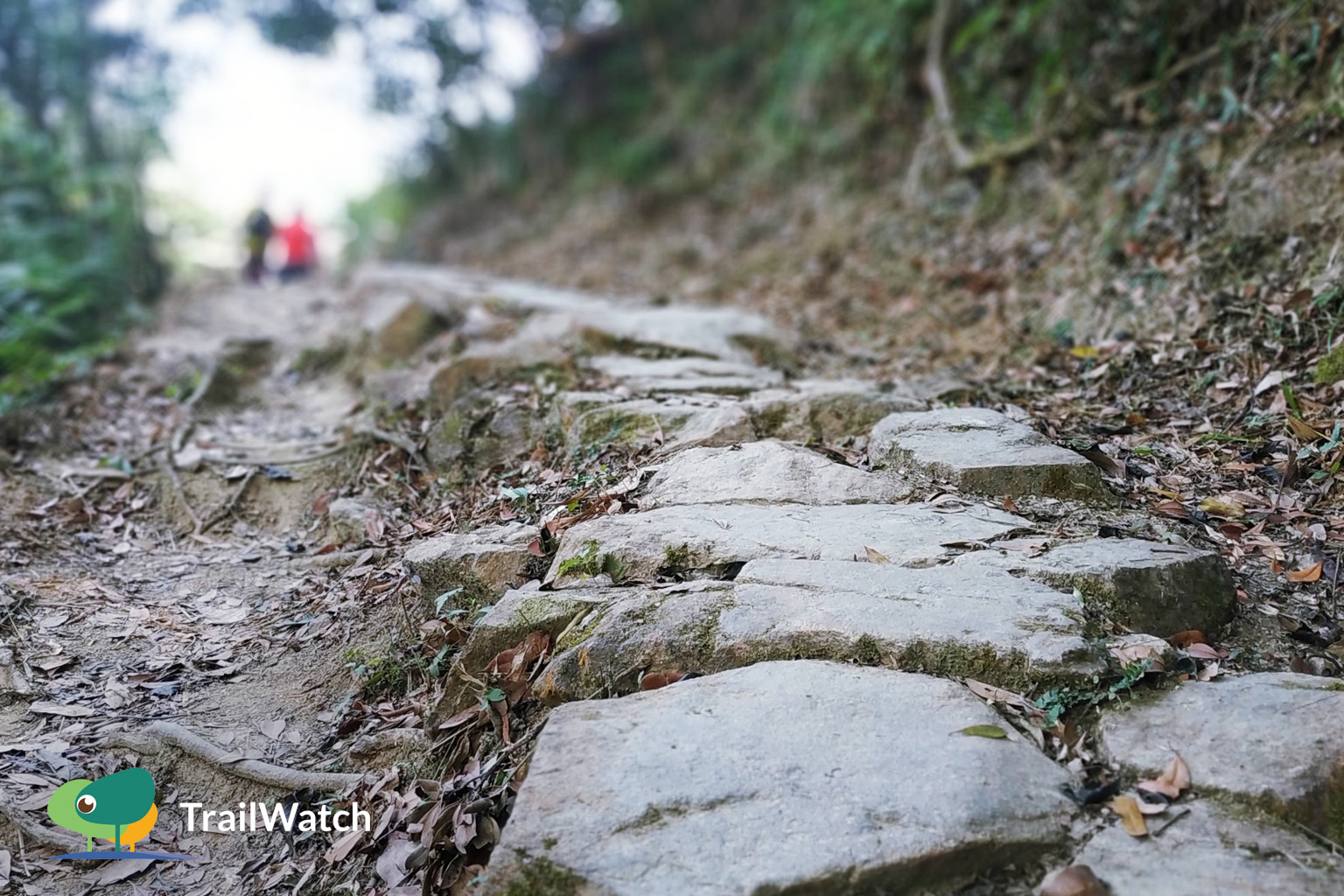
Fung Ma Ancient Trail was the major path that connected Ma Mei Ha Tsuen in Sha Tau Kok and Fung Yuen in Tai Po, passing through Tan Shan River Valley, Hok Tau, Ping Shan Chai and Sha Lo Tung. From Fung Yuen, you will walk past Fung Yuen Butterfly Reserve and then Sha Lo Tung. On the way, you will see habitats like rivers and abandoned farmlands which are home to a diverse collection of species. Further ahead, you will find a few Hakka villages that date back to 300 hundred years ago, including Cheung Uk and Lei Uk. Some of the village houses have been preserved and listed as Grade II Historical Buildings. Continue along to Hok Tau Reservoir with scenic views along the way, and you will reach your destination at Hok Tau Pai. Apart from the climb to 200m uphill at the start, this trail is quite flat. There is much shelter midway but not so much for the rest of the route, where it is paved with concrete roads and staircases. This walk will allow you to experience Hong Kong’s cultural heritage, countryside and its rich biodiversity.
For more information: https://www.trailwatch.hk/app/?t=activities&rid=10243740
Wang Tsat Ancient Trail
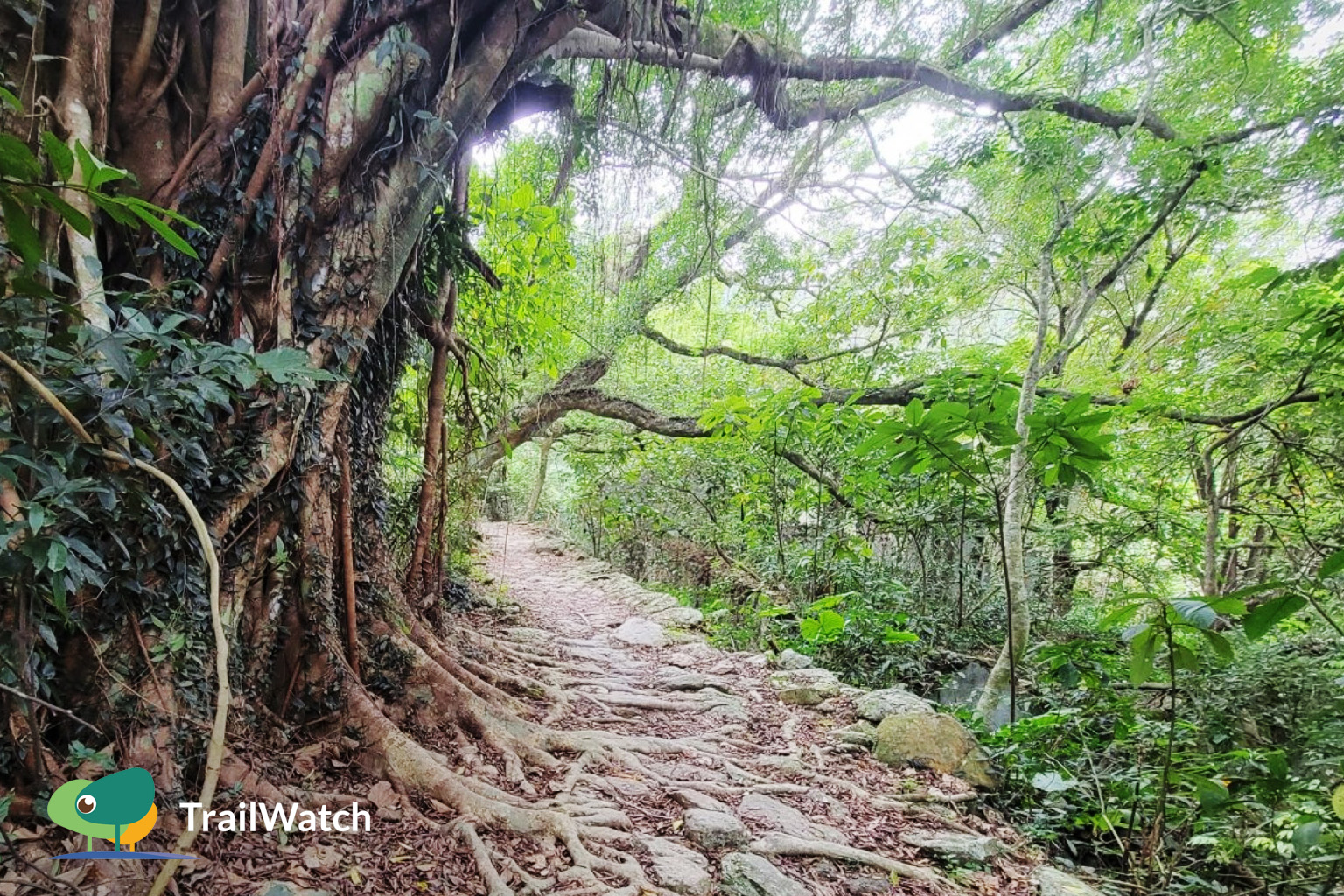
Wang Tsat Ancient Trail used to be a key route for travelling between Tsat Muk Kiu and Wang Shan Keuk, also a part of the Wilson Trail Section 10 today. From Tai Mei Tuk, you can walk to the entrance of Pak Sin Leng Nature Trail. Soon after, you will arrive at Spring Breeze Pavilion. As you walk past the abandoned villages, the Upper and Lower Wang Shan Keuk, the track is connected to the well-preserved ancient trail. The trail passes through Sheung Tsat Muk Kiu and Ha Tsat Muk Kiu. After that, you will arrive at Sir Edward Youde Memorial Pavilion. Take a rest here and gaze out at the beautiful scenery of Nam Chung and Luk Keng. As you continue to walk, you will reach your destination at Luk Keng. Despite the long distance, the route is not too rugged. For hikers who want to explore the northeast New Territories and don’t mind a little sweat, this is a recommended hike.
For more information: https://www.trailwatch.hk/app/?t=activities&rid=10240859
Sai Kung Ancient Trail
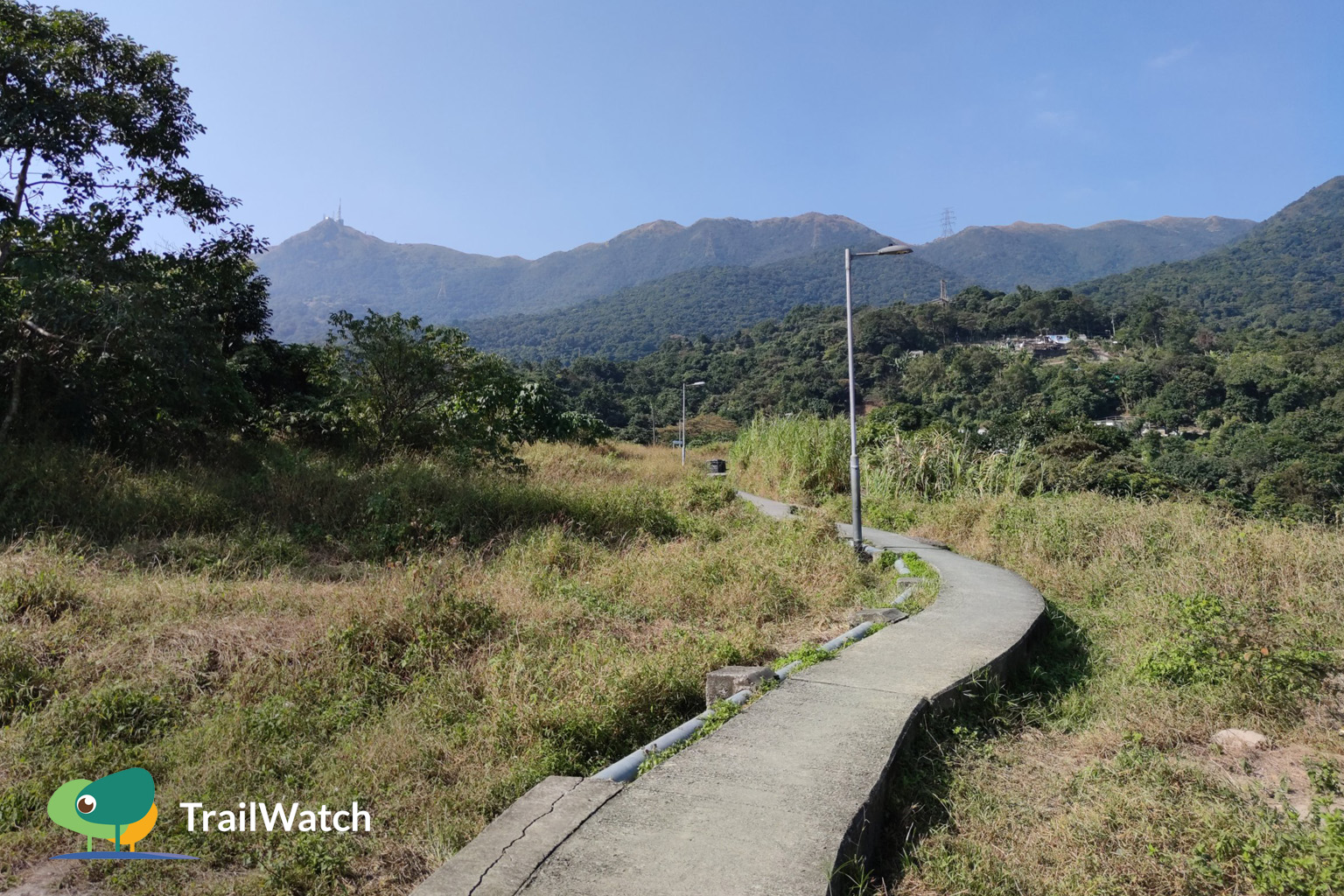
Sai Kung Ancient Trail used to be a key route for Sai Kung villagers to travel between Sai Kung and Kowloon for trading before public transport was well developed. Walk uphill along Fei Ngo Shan Road, you can pay a visit to the century-old Feng Shui grave of Madam Young, Dr Sun Yat Sen’s mother, in Pak Fa Lam. Overlooking the view of Sai Kung and Pak Sha Wan, you can also enjoy the amazing scenery along the way. Stroll down Sai Kung Ancient Trail to Ho Chung River, and follow Ho Chung Road to visit the historic Che Kung Temple, which is a Grade 1 historic building. Some of the stone-paved trails have been replaced by concrete. Nevertheless, the trail from Pak Fa Lam onwards to Tai Lam Wu was preserved. This route is relatively short, making it suitable for all levels of hikers who want to get a taste of how local villagers commuted between Sai Kung and Kowloon once upon a time.
For more information: https://www.trailwatch.hk/app/?t=activities&rid=10240873