Different types of shoes are made for different activities according to the characteristics of a particular sport, such as lock shoes for cycling or climbing shoes for rock climbing. There are many types and styles of multifunctional hiking shoes or trail running shoes, it is important to pick the right shoes for better performance, and to avoid being injured, the shoes can even be your life-saver.
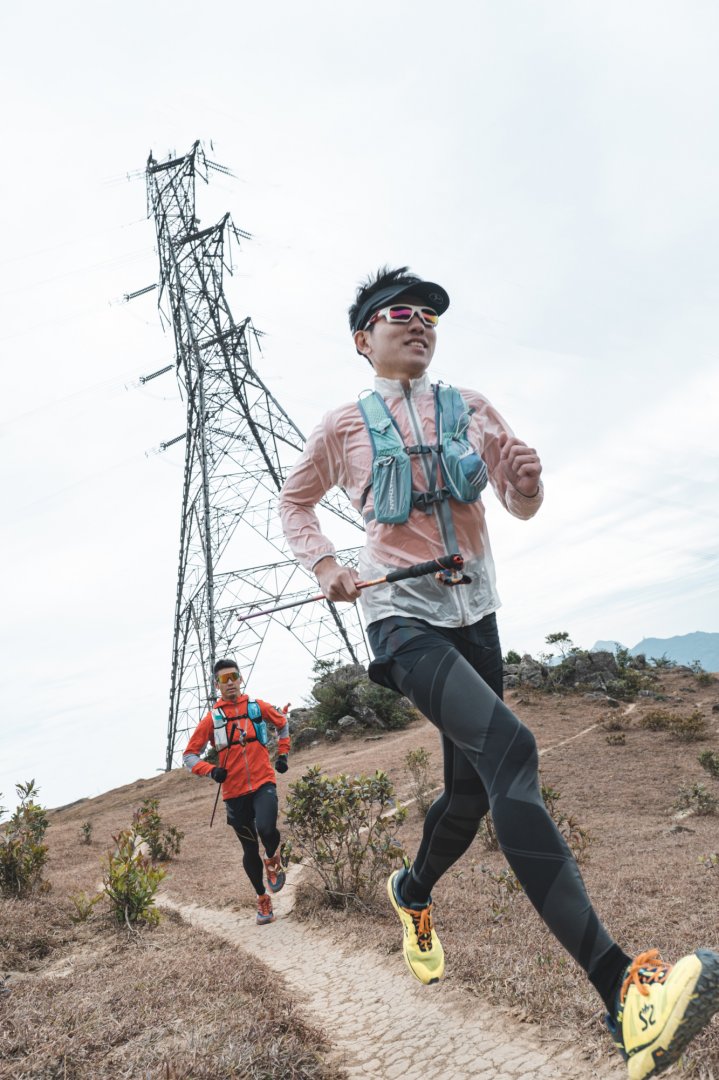
Choose the Shoes Based on the Terrain
Before deciding what shoes to wear, we must first consider the terrain of the hiking route. For example, a pair of windproof and waterproof shoes that are made of thicker materials are for cold places. If snow or rain is expected, shoes soles with more lugs are important, shoe chains or ice grips may also be needed, just as if you need tire chains on cars to increase friction for driving in snow.
When the depth of the snow is higher than the height of the shoe shaft, waterproof gaiters are useful to prevent snow from seeping into the shoes. Many people mistake the shaft height as being directly related to sprained ankles but recent studies have shown that it only makes a difference in warmth. Instead, thick soles could cause a higher risk of spraining ankles since our center of gravity is being lifted.
Geology and Friction
There are various kinds of shoe soles and they are made for different path conditions. Shoes with soft rubber soles that are similar to road running shoes are for sandy hard ground, which could increase the contact surface. If the path condition is like those at Mount Fuji, mainly clay-based soil, then it is suggested to choose soles with longer plastic spikes to reduce contact surfaces. For hiking the steep peaks in Europe which usually are grassland or mixed rock surfaces, it is advisable to choose shoes with durable soles that have shallow lugs, thinner and shorter spikes.
The Relationship Between Weight and Running Speed
The weight of the shoes do not directly affect speed, but thinner soles are better for those who are faster with stronger muscle strength. It is more effective to transmit the strength from your legs onto the ground; however, there will be less protection of the feet. Those who are slower will need better protection, therefore, the material of their shoe should be relatively thick and bulky, which help absorb more of the power transmitted from the runner to the ground.
There Is No One Pair for All Trails
Sometimes there are different situations in one journey. I once brought five pairs of shoes with me when I scaled up an 8,000m peak. The required clothes and shoes are definitely not the same for different environments, when you are at various heights of 4,000m, 6,000m and 8,000m. If, for some reason you cannot bring a pair of waterproof shoes to climb to high mountain peaks, you should consider bringing a pair of waterproof socks just in case. Sometimes the cost-effective waterproof socks are much warmer than the regular thick socks.
Reducing Blisters
A pair of new socks that fit your foot are enough to reduce friction. Wearing two pairs of socks will make the shoes too loose. Studies have shown that mixed Nylon sports socks can better prevent blisters than cotton socks, but of course the ultimate way is to wear Vaseline-coated toe socks.