Text & Photos: Michelle Lau (International Olympic Committee accredited Sports Nutritionist, Founder of Nutrilicious, nutrition consultancy and communications company)
Whether you are new to hiking or a regular hiker, do not underestimate the importance of training and nutrition to build strength and stamina that is required for spending a long time on your feet. Food is fuel for your body and paying attention to what and when you eat can make a big difference in how you feel and experience your next hike.
But it’s not always simple to know how to best fuel up before, during and after a hike. If you ask ten hikers how they do it, you will probably get ten different answers. To really discover what works for your body, you will need to get your feet out to the trails and experiment. Before deciding which foods and drinks you will choose, it might be helpful to have an understanding of some basic nutrition. Read on to help you get started with developing a plan and limiting the amount of trial and error.
So how much should you eat during hiking? The quick answer is that if you are heading out for an easy hike lasting about an hour or less, you can probably get by with just drinking water. How many calories you need to eat while exercising depends on several factors, such as the length and intensity of the activity and your body type, but 200 – 300 calories worth of easy digestible food per hour is a good ballpark figure. For most hikers, this means eating and/or drinking 80–100 calories roughly every 20–30 minutes, primarily in the form of small carbohydrate-rich snacks like dried fruits and sports drinks. Also, the quality of your calories—the type of food you eat—is key: Carbohydrate is the primary energy source during your hiking, while protein and fat are better for before and after your hike.
When you hike long distances, your body relies initially on glycogen as its primary fuel. Glycogen is stored in the muscles and liver for easily accessible, efficient energy. Glycogen is derived from eating carbohydrates – you might have heard of athletes who will “carb-load” the night before a marathon. Eating lots of carbohydrates like pasta, bread or potatoes helps fill up your glycogen stores to ensure you start your hike with a full tank of energy.
What about protein and fat then?
Since carbohydrate is the primary energy source during exercise, you are more likely to consider fat and protein needs before or after a run.
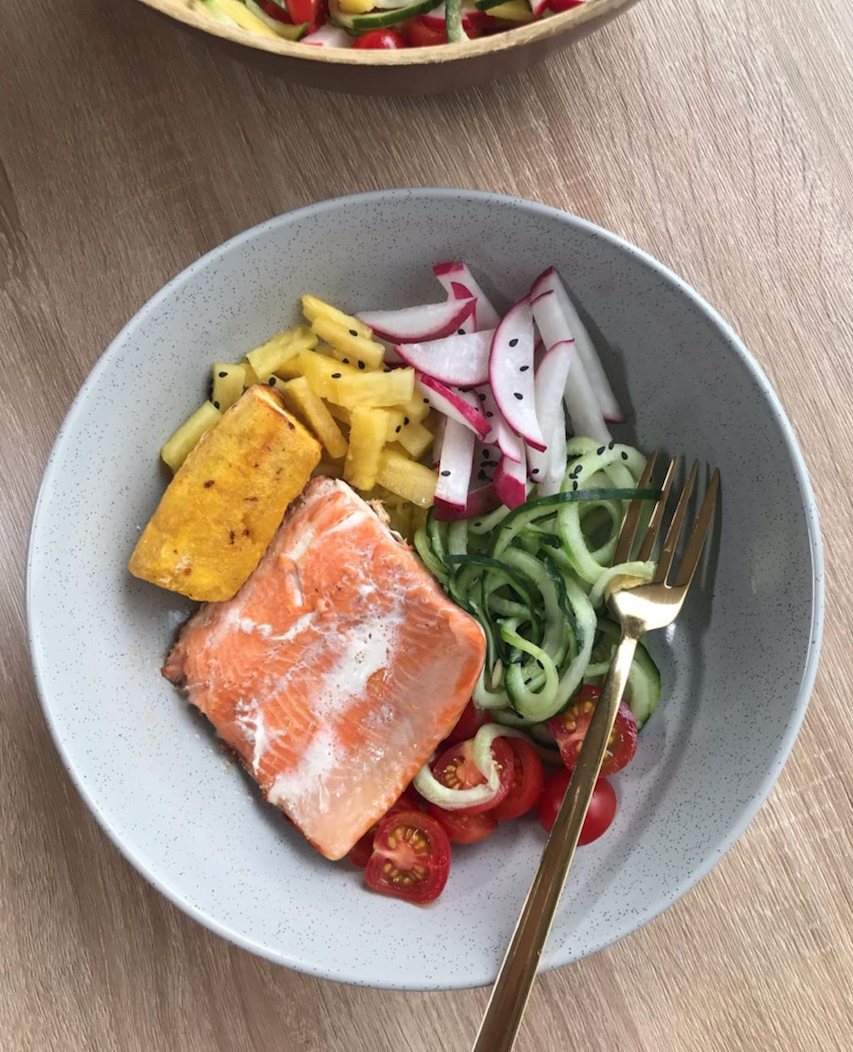
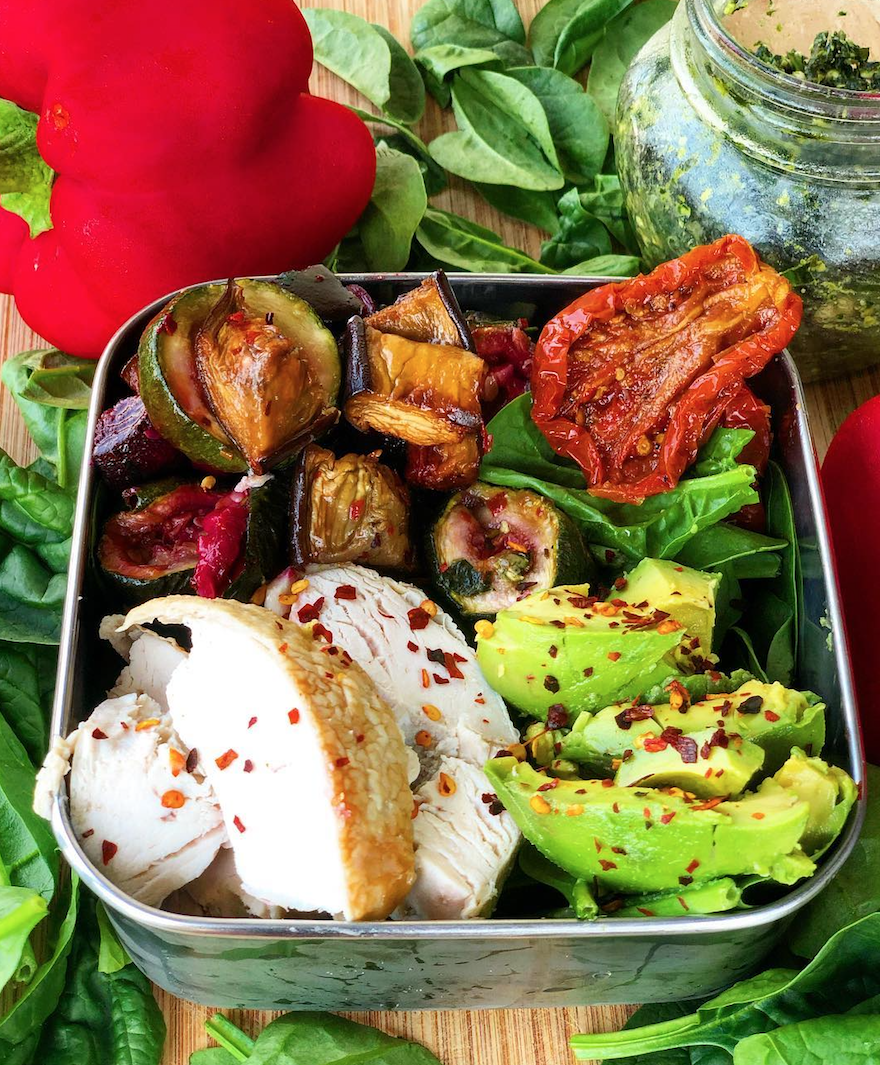
Fat is an essential energy source for your body, but it takes longer for your body to convert fat into fuel. This means you cannot eat a fat-rich meal right before a hike and expect that fat to power you through your activity. Moreover, fats take longer to break down than carbohydrates, which can leave you feeling too full, uneasy and possibly with an upset stomach on your hike. To keep your energy stores ready for the long haul, you will want to make sure your everyday diet includes fat, healthy fats such as olive oil, avocados, oily fish.
Protein is important for helping your body rebuild tissues and recover after exercise. It can also provide sustained energy on long endurance activities but it is not a primary energy source and therefore is not typically a major component of recreational hiking nutrition plans. But it should be a part of your everyday diet and your post-hike recovery plan.
So, after your hike, eat a healthy meal containing carbohydrates and protein within about 1–2 hours. It’s sometimes recommended that people who exercise over 90 minutes at a high-intensity get protein in their systems faster than that (within 30 minutes of finishing a run) in order to maximize recovery, but the general consensus these days is that there really is no rush as long as you plan to eat within 1–2 hours.
Last but not least, don’t forget to hydrate: drink water to rehydrate. An electrolyte replacement drink is not required for a short hike if you eat food, which will most likely be sufficient to replace the electrolyte lost during your hike.
Pre-Hike Fuel
Prior to your hike, you will want to eat wisely. The calories (energy!) in your pre-hike meal will last for about 60 to 90 minutes. If you are training for an event, these pre-hike meals should be experimented with so that you know they work for you. Experiment with the type, timing and amounts.
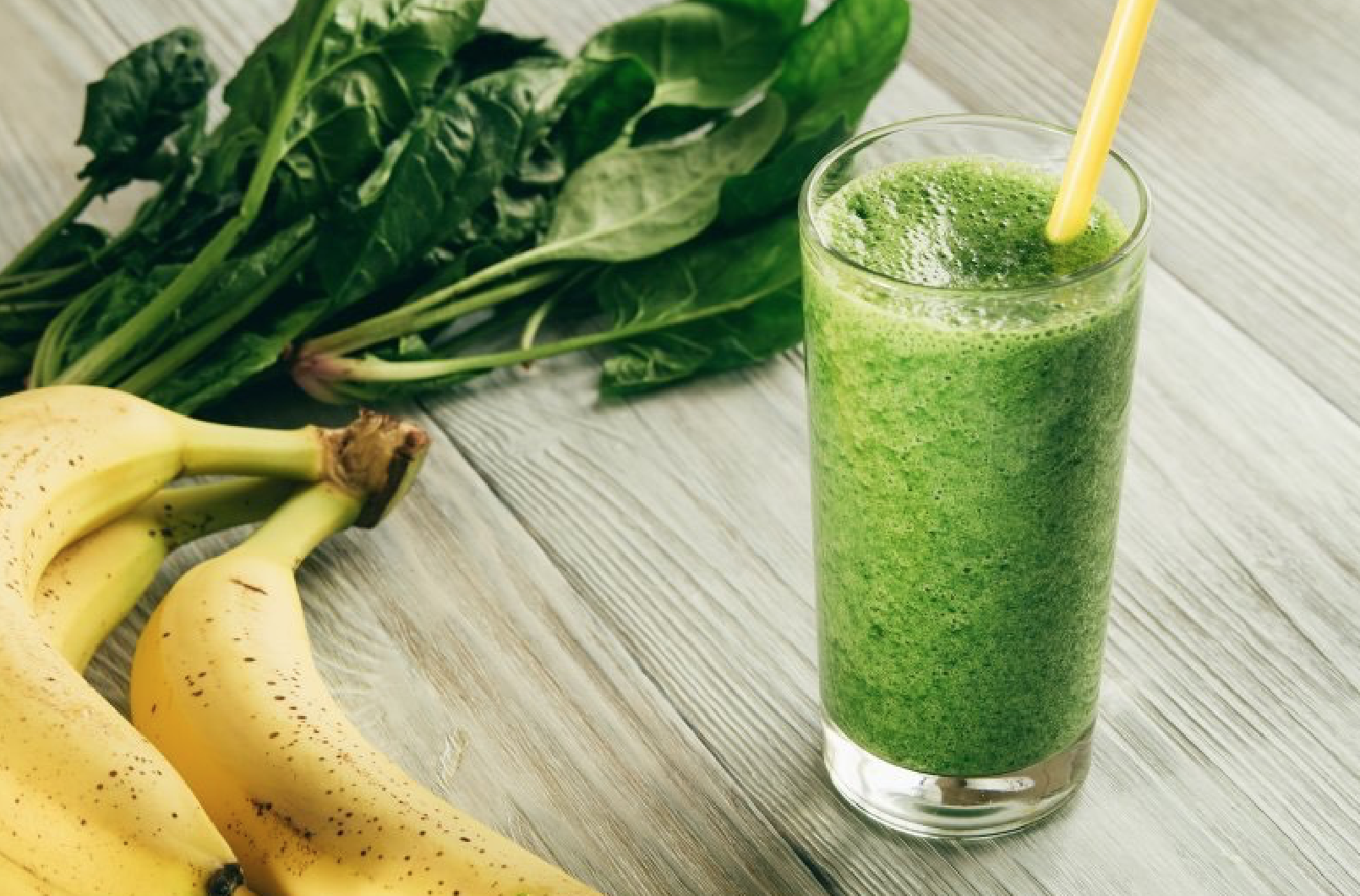
Some healthy examples of pre-hike snacks:
– Greek yogurt with whole grain crackers or fruit
– Bowl of whole grain cereal with low-fat milk and blueberries or banana
– 100% whole wheat bread with slice of low-fat cheese or nut butter
– Fresh fruit smoothie made with non-fat yogurt
– Oatmeal made with fruit and low-fat milk
– Whole Wheat Bagel with peanut butter and a yogurt
If you are going to eat food on-the-go / during the hike, try to follow these food-prepping tips to the health of your body and the planet:
1. Ditch the cling – instead of wrapping your mini sandwiches and chopped fruits in cling film (which only being used once before sent to landfill), store them in containers or use a reusable food wrap.
2. BYOB – instead of buying plastic bottled water, fill your reusable water bottle at home with fluid and sip on it whenever needed to keep you hydrated.
3. Savour leftover – food packaging can often be difficult to recycle so if you have leftovers at home already, simply take them along in a container instead of buying ready-prepared sandwiches, wraps, snacks for your hike. It will cut down on waste too.
Nutrilicious: https://www.facebook.com/nutriliciousss