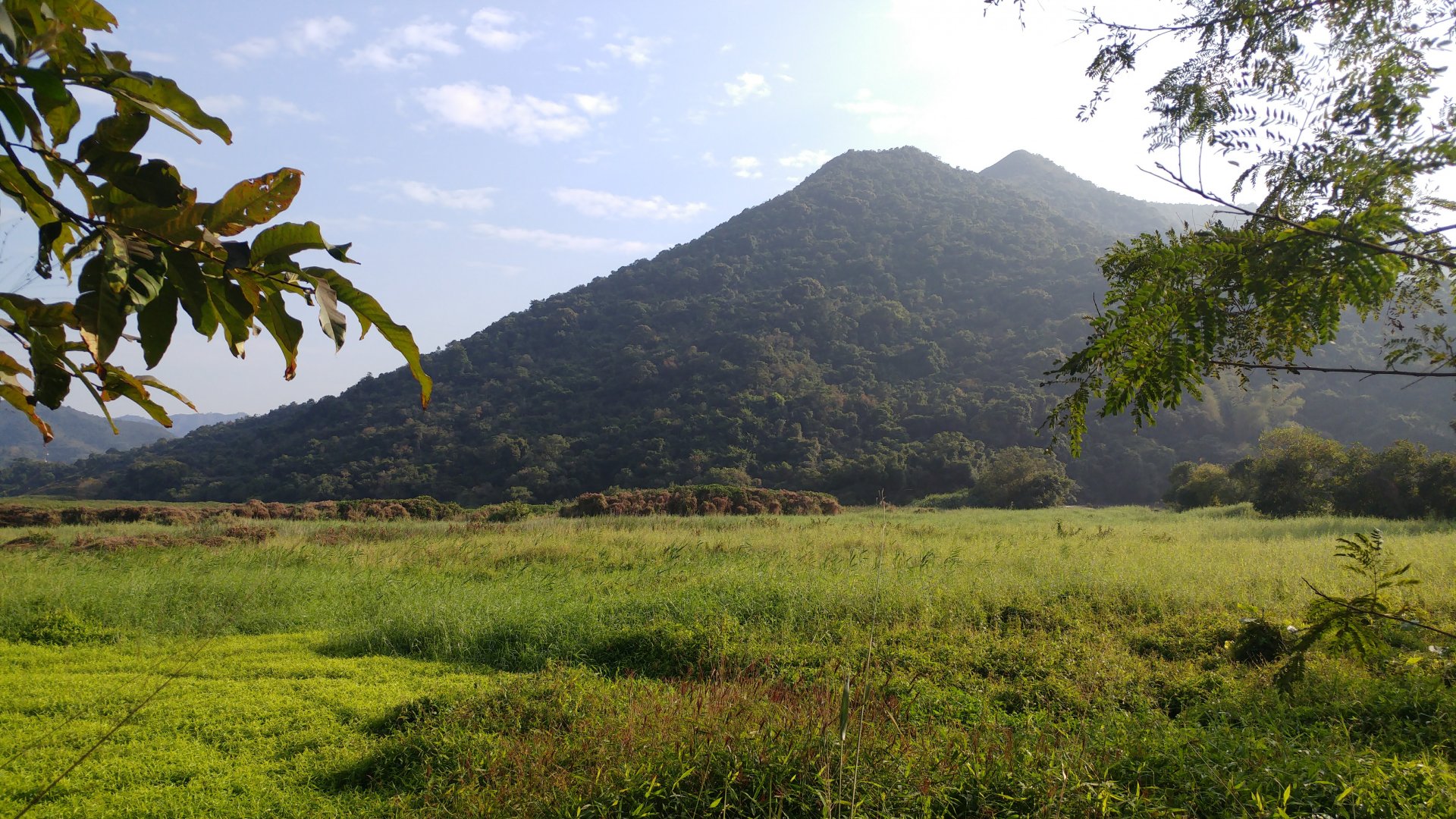
Situated by the border between Hong Kong and mainland China, Fanling’s Wo Hang Village (禾坑村) is a Hakka village that is occupied by the descendants of the Li clan from the Tang dynasty. The village, which is divided into the upper Sheung Wo Hang and the lower Ha Wo Hang villages, leans against Robin’s Nest and is adjacent to the Starling Inlet. So how did the name “Wo Hang” come about? “Wo” (禾) means “grain” in Chinese, while “Hang” (坑) means “pit”: Wo Hang Village is a valley where once upon a time, its villagers relied on paddy cultivation to make a living.
See How Hong Kong Got its Name
You can get to Wo Hang Village by the 55K minibus from Fanling, or the 78K bus that heads towards Sha Tau Kok. After alighting from your ride, keep walking downhill and you’ll come across an incense tree—or the Aquilaria sinensis if you’re fancy—that is over a century old. Fun fact: Hong Kong, which translates as “fragrant harbour”, got its “Hong” (fragrance) from incense trees (cultivation began around a century ago for export). But because the wood is so coveted, the felling of the trees has been rampant. The tree is protected in China, and is an endangered species in Hong Kong. Sadly, over the past two decades, illegal loggers have been flocking to Hong Kong to fell and trade the trees. The tree, which was one regarded as a bringer of good feng shui and a protector of villages, has now dwindled to a mere stub in Wo Hang Village.
Yes—Cram Schools were a Thing in Imperial China
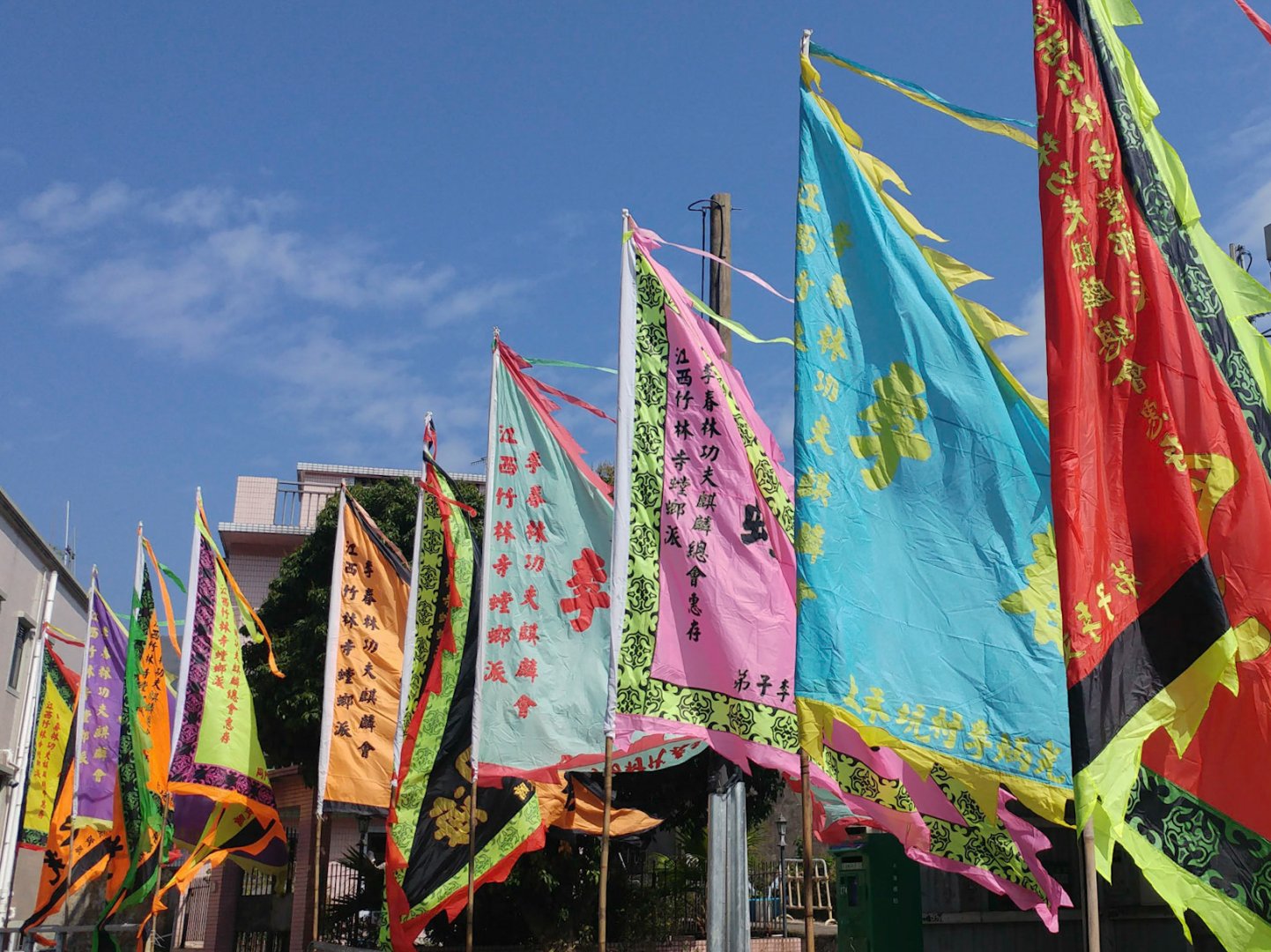
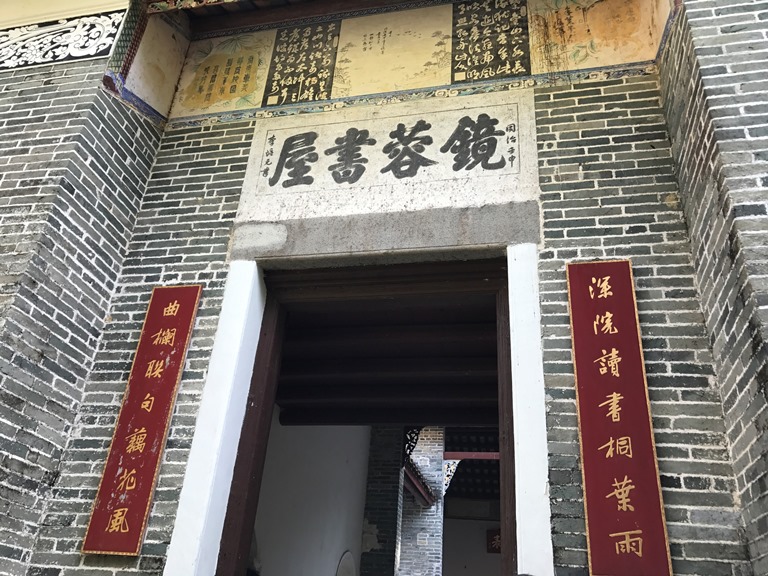
As you venture into Wo Hang Village, you’ll be greeted by row of multicoloured flags belonging to a martial arts academy. Wo Hang Village is home to a mantis boxing master who set up shop in the 60s. Wo Hang Village is also home to a study hall that was constructed during the early Qing dynasty (1616-1636). The study hall is one of few private structures built especially for scholarly purposes. During the Qianlong era (1736-1795), it was modified to become the Kang Yung Study Hall, which remains standing to this day. Although the study hall was built for Hakka scholars, other scholars from other regions were welcome. In addition to featuring a hall, the structure also housed travelling scholars in its loft. Brick masonry walls enclose brick and rammed earth partitions, while a light well in the centre of the study hall invites warmth amid harsh winters, and much-desired summertime breeze. Legend has it, top imperial exam candidates from Guangzhou had enrolled as pupils in this study hall, which could explain why it’s drawn so many scholars over the years.
Get Rich!
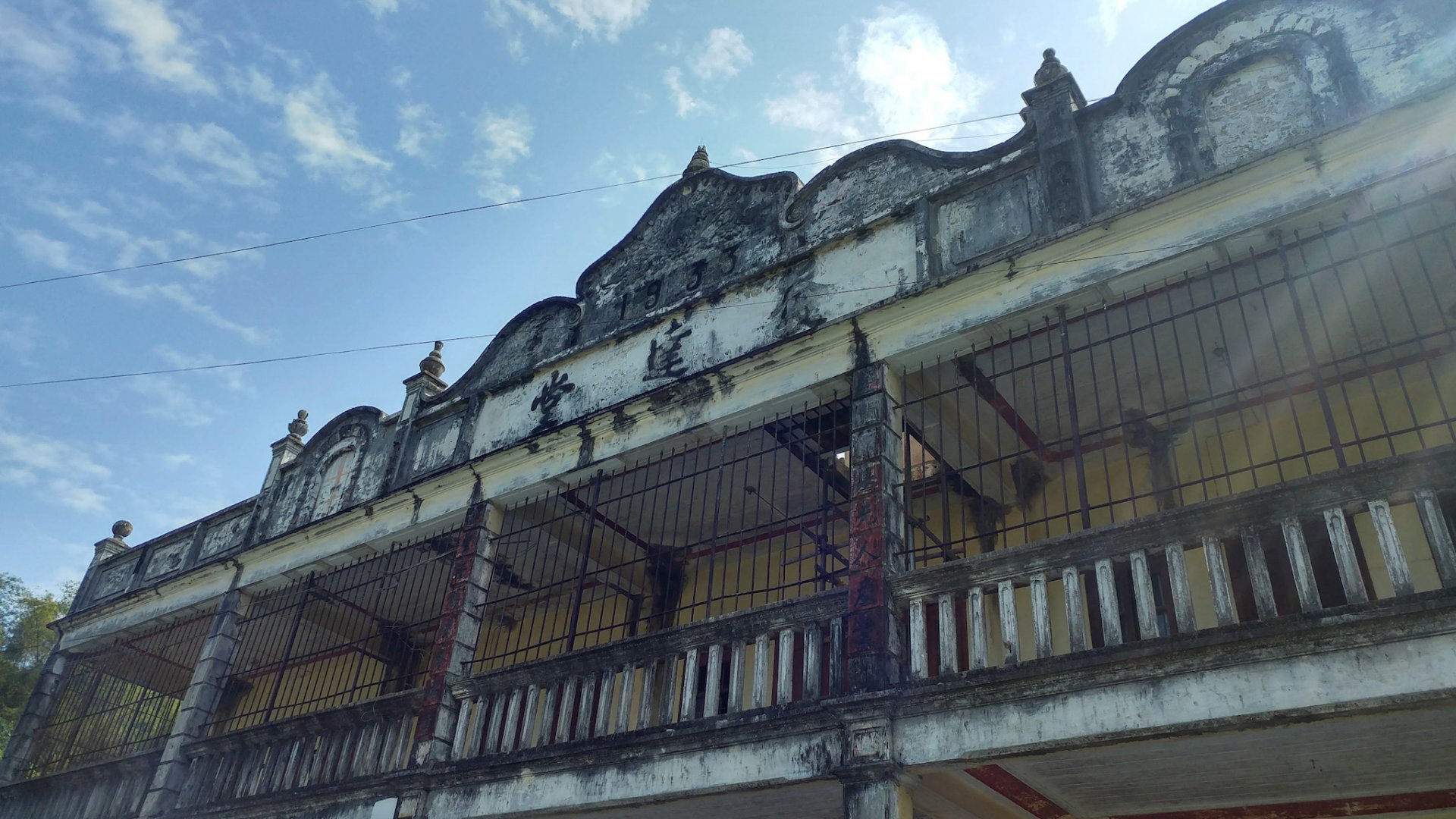
When Hong Kong opened its ports to foreign trade, the city’s emphasis on agriculture slowly faded. A batch of Hakka villagers set sail across the border for more promising opportunities. After striking gold, a man named Li To-wan returned to Wo Hang Village in the 1930s and built the “Fat Tat Tong” residence for his family. “Fat Tat Tong”, which literally means “developed hall”, has become an important landmark in Sha Tau Kok. The two-storey structure is a blend of architectural elements native to different cultures: a Hakka-inspired roof with Western embellishments; Chinese screen doors; and a Portuguese/Southeast Asian-style balcony. All these elements are bonded together by modern reinforced steel and concrete to form a truly unique declared monument that symbolises Hong Kong in the 1930-50s: a time when Hongkongers left the fragrant harbour in search of a better future.