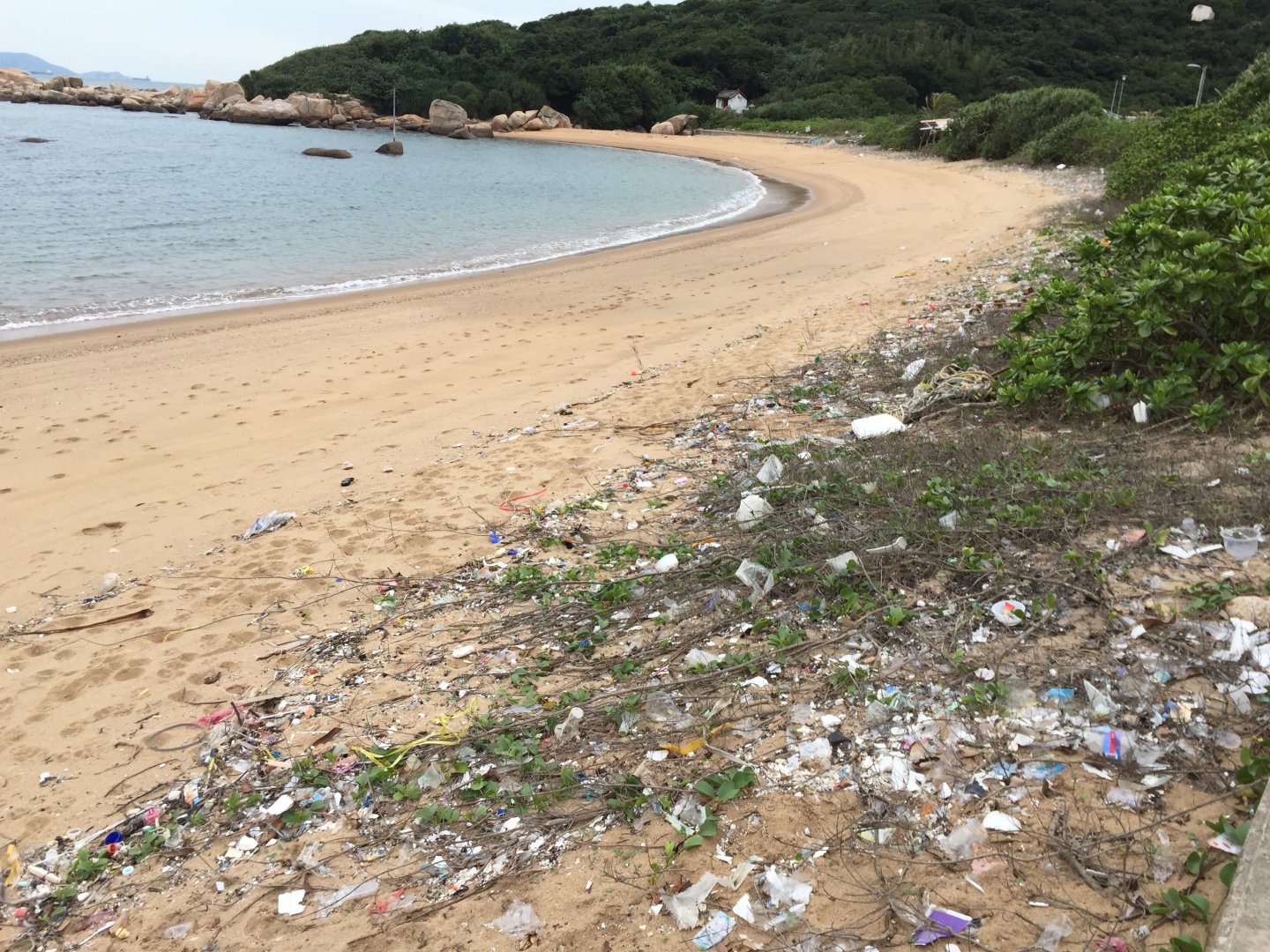
It’s been long a ritual that we should do some “cleaning” as the lunar calendar year draws to a close. It’s a tradition which has now been brought outside the home and into the countryside, leading to the now recent boom of clean-ups at countryside trails and beaches. Even the recent challenging weather seems hasn’t proved to be an obstacle to those warm-hearted volunteers: TrailWatch, for example, has gathered some of these enthusiasts to help clean a beach on such a freezing winter day.
Friends from the media have been well alerted to this trend, and in turn have tried tracing the reasons behind the increasing amount of garbage being found in the wild. Some also wondered whether all this is down to negligence or errors on the government’s part.
Based on our observation, growing amount of garbage is mainly related to an increasing amount of outdoor activities. Camping and BBQ, for example, generate particularly more garbage than other excursions. But regular clean-ups up mountains are not conducted on a daily basis as those in the city. It would take workers hours to finish a trail, and the elevation on which these paths lie provides yet another challenge. At the same time, the cleaning workers are not trail runners of course. It is impossible to ask them to make multiple trips up and down these trails, ferrying loads of waste for a hundred miles each day. And before the trash is even being picked up, a certain amount would already have been scattered everywhere by the wind, the rain and even animals scavenging for food.
What, you may ask, is the solution for that? The answer is incredibly simple: take care of your own litter. It means that you have to take the responsibilities on your own – as what we have been told when we were children. However, we often neglect what we should do and opt for what is convenient to us.
TrailWatch had organized some cleaning activities, some of them taking place under extremely sweltering or freezing days. Nevertheless, volunteers were so determined to clean places up – a somewhat stark contrast, perhaps, to travellers who are so arbitrary in their way of disposing their trash. During our past activities, we have discovered many things which were disposed before they should be – among them heaps of unopened, individually packed biscuits, a bottle of slightly consumed soft drink, and even an untorn tank top. And then there are the plastics in every form you could imagine: bottles, bags, cutlery, toys and styrofoam.
Reduce waste and consumption of disposable product is what we have been taught to do for a long, long time – but it seems the lesson hasn’t yet been learned.