Photo credit: Andrew Leung
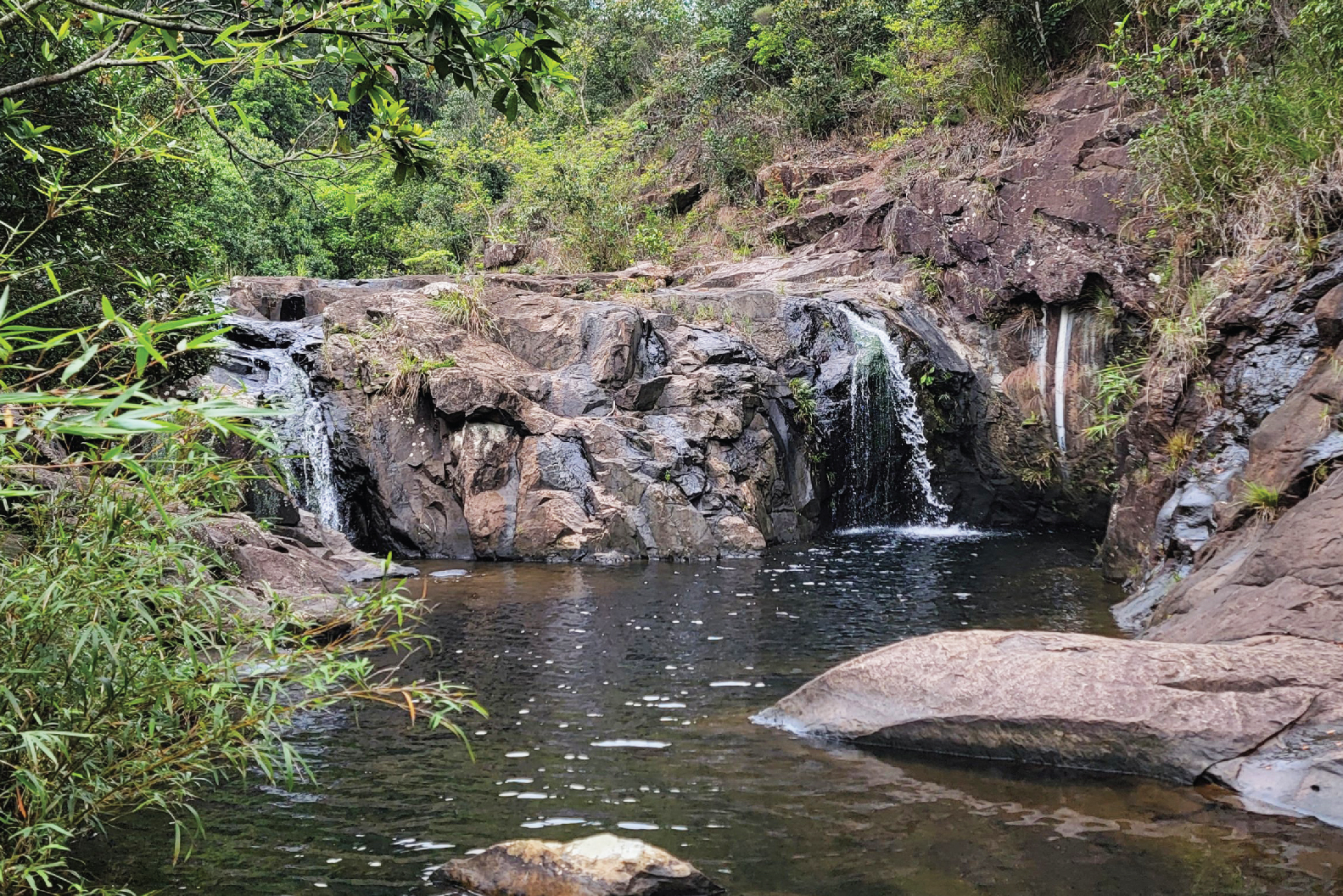
On a scorching summer day, instead of hiking on exposed muddy trails in the blazing sun, many people choose to navigate through streams to enjoy the coolness. In addition to the four major hiking trails in Hong Kong, there are also nine famous streams that rival those trails in popularity. Wong Lung Stream, Tai Shing Stream, and Ping Nam Stream are places commonly explored by the public. These streams not only have abundant water sources and ever-changing scenery but also unique geological features and ecology. The enormous rocks and majestic waterfalls inside are truly breathtaking.
However, the challenges of stream trekking are quite different from trail hiking, requiring stamina to conquer more difficulties. We invited Andrew, a user who has recorded more than 300 stream trekking experiences using TrailWatch, to share his insights. After exploring the nine big streams, he now enjoys visiting streams in mountains that are rarely known and documenting his journeys in TrailWatch. From his experiences, we have summarised some tips to help ensure everyone's safety while enjoying the beautiful sceneries.
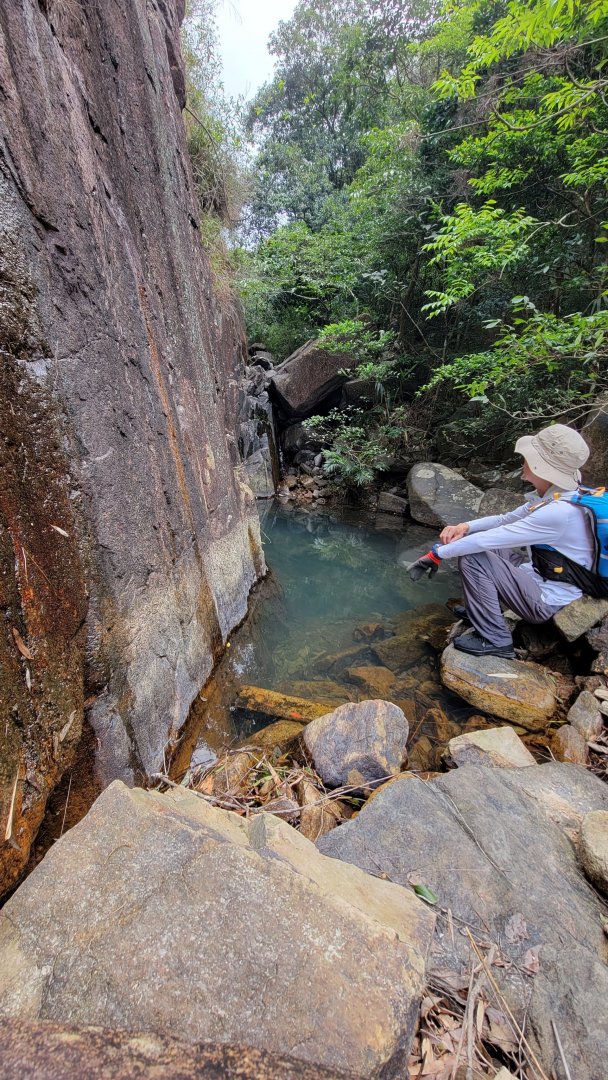
Photo credit: Andrew Leung
1. Route Planning
Stream trekking usually involves trail hiking before reaching the entrance of the stream, and some entrances may not be as obvious or easy to identify as hiking trails, which may take some time to recognize. Before every stream hike, Andrew would have already spent several visits to inspect the area, so time management is crucial. Prior to departure, it is important to fully understand the length, difficulty, and estimated time required for the route in order to plan the itinerary properly. Other than online information, official maps or records of TrailWatch users are also valuable resources for reference.
Furthermore, it is important to allow sufficient time to deal with unexpected situations such as accidents or getting lost. During the journey, it is essential to pay attention to the progress and avoid wasting too much time. If there is a significant delay, it is recommended to postpone the trip. Even with extensive experience like Andrew, it may take him up to three attempts when exploring a completely new stream.
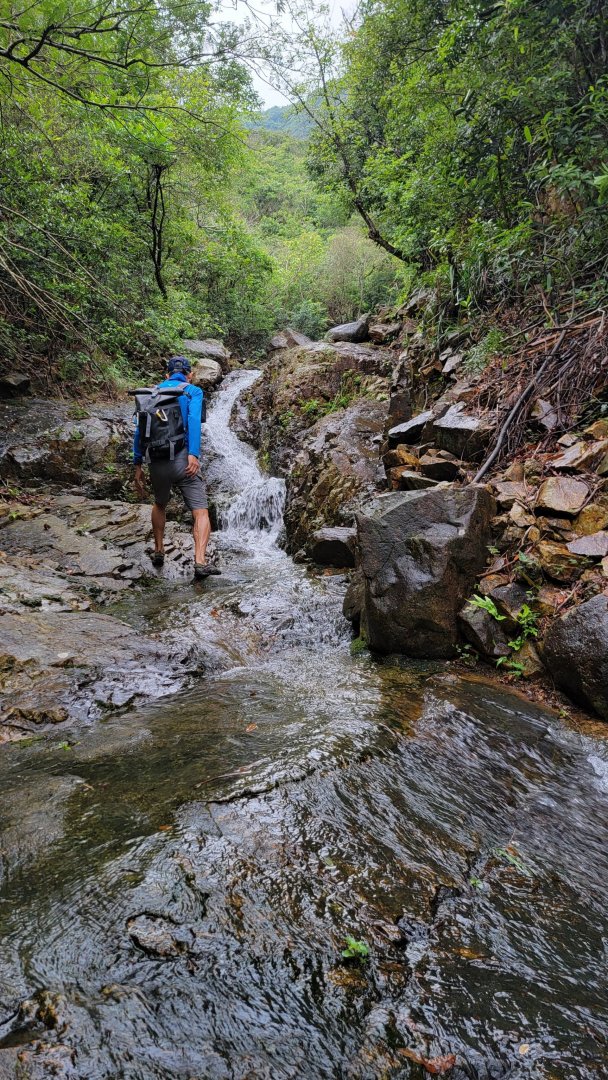
Photo Credit: Andrew Leung
2. Weather Monitoring
Summer weather can be unpredictable. Even if the weather is expected to be clear when setting off, it may suddenly turn cloudy with drizzles upon reaching the stream entrance. We should immediately refer to real-time weather forecasts from the Observatory to obtain the most accurate weather information. If heavy rain is predicted, considering that it may cause flash floods and rapidly increasing water flow, which can be extremely dangerous, we should promptly abort the trip and seek a safe retreat route. Andrew always keeps a few pre-planned routes in his pocket, and he chooses the most suitable one based on the day's weather and his own physical condition.
3. Supplies
Unlike hiking trails that may have convenience stores along the way, it is crucial to carry sufficient food and water due to the longer duration. Even though stream trekking may not seem as long in distance, the itinerary could include swimming and varying degrees of climbing. Even a ten-kilometre journey can consume more energy than usual, necessitating timely energy replenishment. It is recommended to carry high-calorie and easily portable food, such as energy bars and nuts. Additionally, since sweating is expected during stream trekking, it is necessary to bring an adequate amount of drinking water. It is important to distribute the intake of food and water properly to ensure sufficient support throughout the trip.
4. Physical Condition Management
Physical fitness is one of the key elements for all outdoor activities, and stream trekking not only demands high physical stamina but also requires a sense of balance, coordination, and good judgement. As streams are not as clearly defined as hiking trails, there is a possibility of realising there is no way forward after climbing halfway. Andrew once found himself in a similar situation, where he climbed halfway up a rock wall before realising there was no path, he then immediately descended and re-evaluated the climbing route. Therefore, it is important to ensure your physical condition for the day, not just in terms of physical strength but also mental clarity.
5. Emotional Management
Streams are often less crowded than trails, and there tend to be fewer people engaging in outdoor activities during the summer compared to autumn and winter. There is a chance of not encountering anyone else throughout the entire day. If an unexpected situation arises and you could not find a way out, it is easy to become panic-stricken. Andrew had an experience where he started feeling a bit exhausted at the end of a stream trekking, just before returning to the regular hiking trail. Fortunately, he heard people talking and immediately called out loudly, realising that he was only a few minutes' walk away from the main trail. In hindsight, he realised that as long as he remained calm, he should have known that he wasn't far. Therefore, encouraging yourself and fellow hikers to stay calm is the best choice.
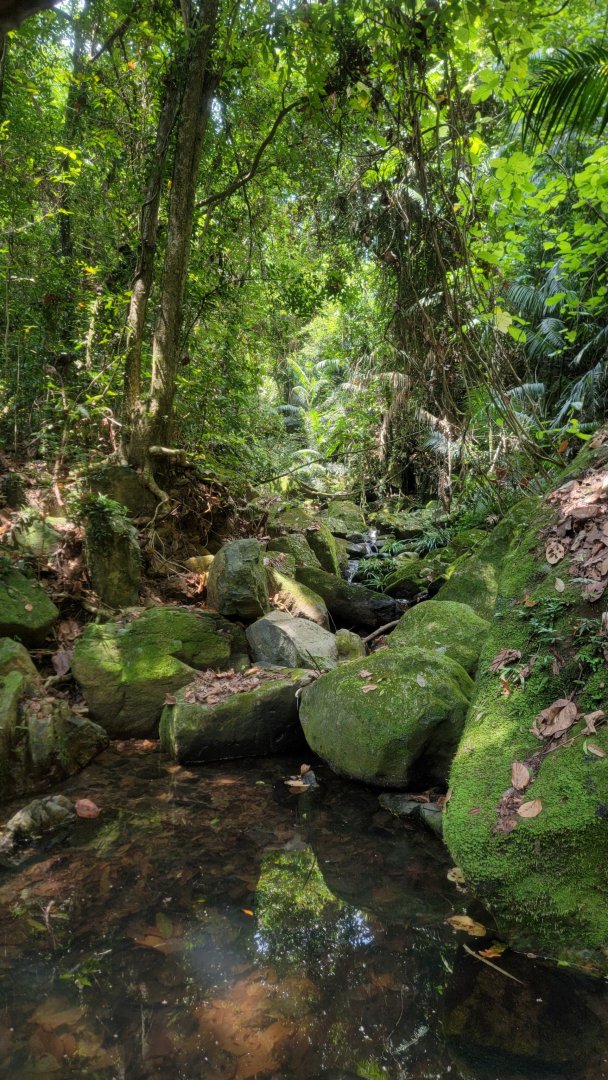
Photo Credit: Andrew Leung
In conclusion, stream trekking is a challenging yet enjoyable activity. With thorough preparation and adherence to safety guidelines, you can ensure your own safety and the safety of others while enjoying the beautiful scenery. We hope that Andrew's experiences and advice will be helpful to everyone. Wishing you a pleasant stream trekking experience and a safe journey home!