文:香港古事記 Dexter Tse
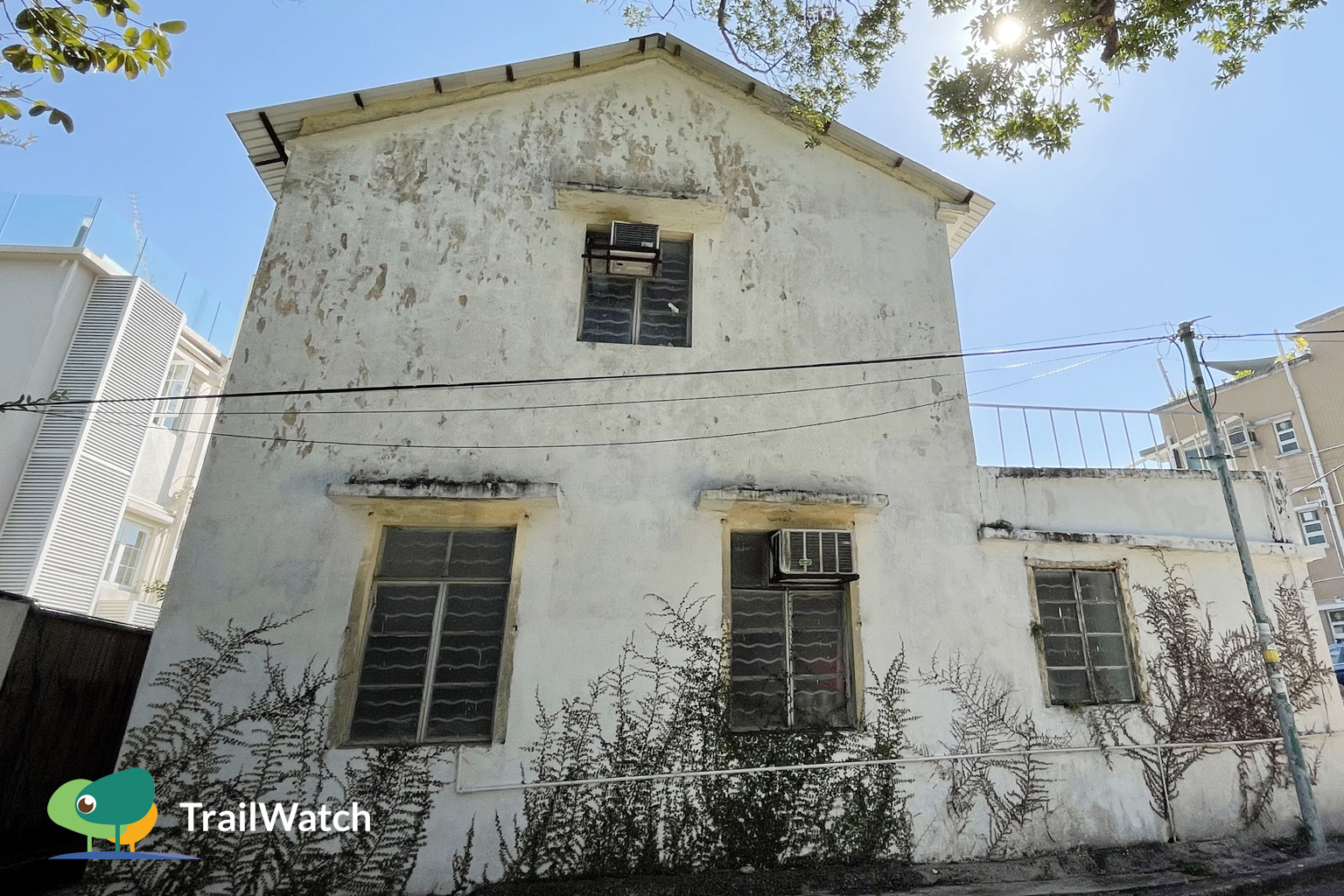
In the morning of the 7th of November 1944, Tang Mou Fui, who lived in Wong Mo Ying, Sai Kung, saw a group of 20 Japanese troops approaching the village. The Japanese soldiers surrounded the village and forced everyone out of their houses. Around 20 villagers were sent into the Rosary Chapel next to the houses, while 50 others stayed outside. Inside the chapel, the soldiers interrogated, through a translator, the villagers and hoped to gain information about guerrilla activities nearby.
Of course, villagers had information. The very chapel they were in was the headquarter of the guerrilla group!
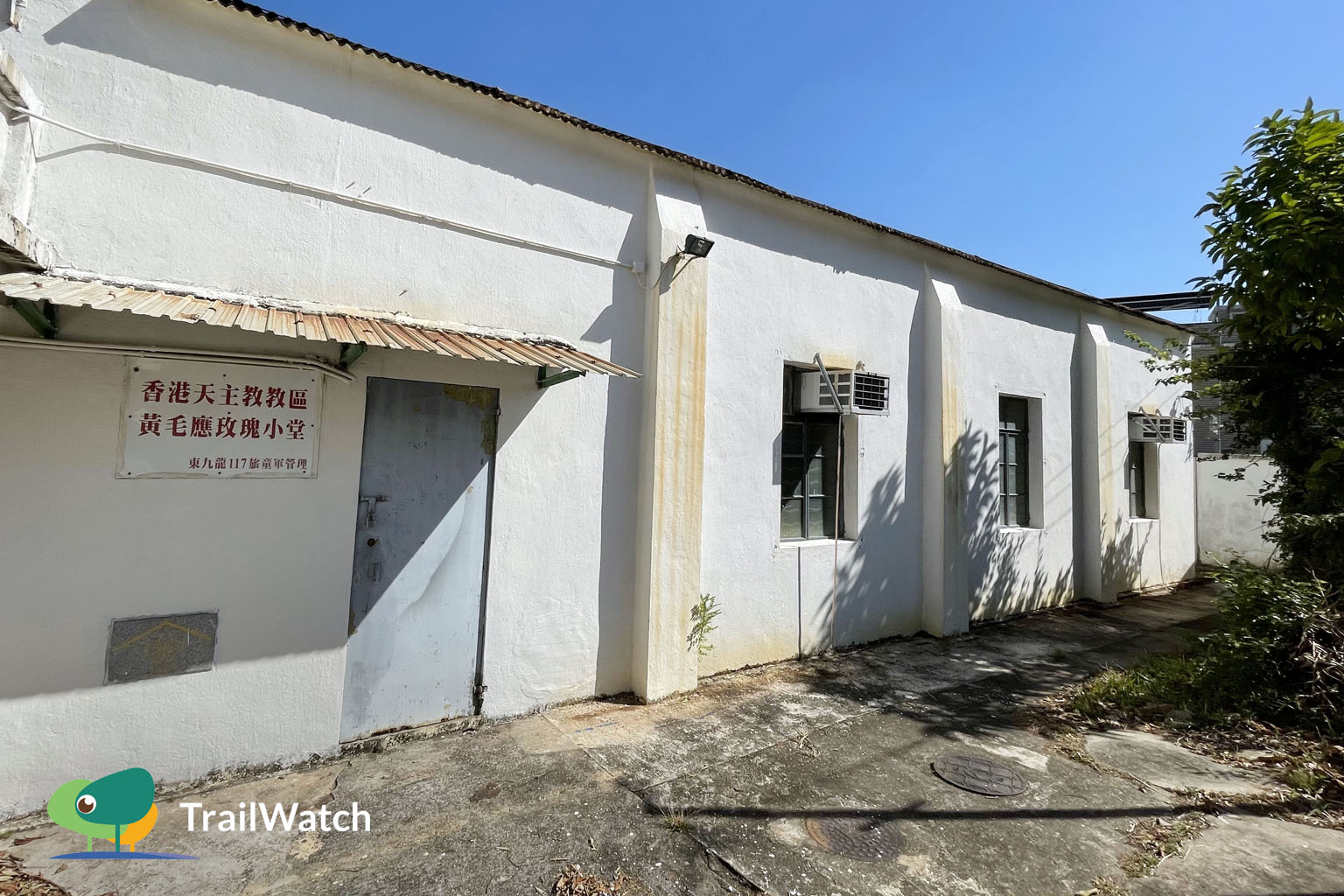
Right after the fall of Hong Kong nearly three years ago, the Catholic missionaries serving the Sai Kung region were killed one after another, and the chapel was left vacant. Communist guerrilla fighters then used the chapel as a base of operation. After recruiting some local members, in February 1942, the Hong Kong and Kowloon Brigade, under the command of the East River Column, was established at this chapel. By 1944, the group had around 70 fighters operating there, armed with weapons and equipment left behind by the British during the battle or bought in the black market.
“But how did the Japanese know about this place?” Tang wondered. The Japanese didn’t patrol Sai Kung. It's too far away from their barracks in Kowloon. Without proper roads in the area, it was at least a three-hour march from there to Wong Mo Ying. By 1944, there was only a tiny 500 strong force in the whole New Territories. They had no soldiers to spare and would not send troops into remote villages unless they had to. So this was no accident. The Japanese must be targeting this particular village, but why?
Suddenly, he spotted a man called Yeung Gau Jai among the soldiers. This man used to be a guerrilla, he was caught by the other fighters some while ago for being a traitor, but he managed to escape. Obviously, then, it was this Yeung Gau Jai who gave away the group’s location.
A soldier asked if Tang knew anything about the guerrillas nearby. He replied there were no guerrillas in this region. He was punched in the face and hit with a bamboo stick. The soldiers then tied him up to a pillar of the chapel and tried to burn him alive. He struggled and somehow broke the ropes and fell to the ground. The soldiers beat him up again and tied him back to the pillar, with the fire still burning. The torture lasted half an hour until Tang’s legs were seriously hurt, and the soldiers were “satisfied”.
Tang Mou Fui was not the only one. Other villagers in the chapel were also tortured and hurt. A man called Tang Fuk suffered the same punishment after being waterboarded, and had his back broken. Another man called Tang Tak On was also burned alive and would die of his wounds three days later.
Despite the extreme suffering, the villagers said nothing about the guerrillas. Even though they were not members of the group, they had been protected by the group. Some villagers, like Tang Mou Fui, Tang Fuk and Tang Tak On, had family members fighting for the group. They could never betray their families.
The soldiers got nothing from the villagers, so they decided to ransack the village and left. The villagers couldn't stop them. They could only watch their friends and families being tortured and their houses being destroyed. Sitting in front of the man who betrayed them, who was protected by well-armed and violent enemies, there’s nothing they could do.
Was all hope lost? No.
You are wrong to think that the villagers would be too scared to do anything. In fact, many joined the guerrilla group right after the incident. And Wong Mo Ying was not a single incident. The Japanese troops also attacked villages across the New Territories, from Tai Po, Sha Tau Kok to Yuen Long and Lantau Island. Throughout the war, the Japanese regime was getting increasingly brutal. Still, at the same time, the number of guerrilla fighters was increasing as well. The greater the oppression, the greater the resistance, and hope.
They didn’t know it then, but the Wong Mo Ying Incident was just ten months away from Japan’s surrender.
Read More: 香港古事記 (Chinese Only)