Text & Photos: Matthew Kwan, Project CROW 嗚鴉自然教室
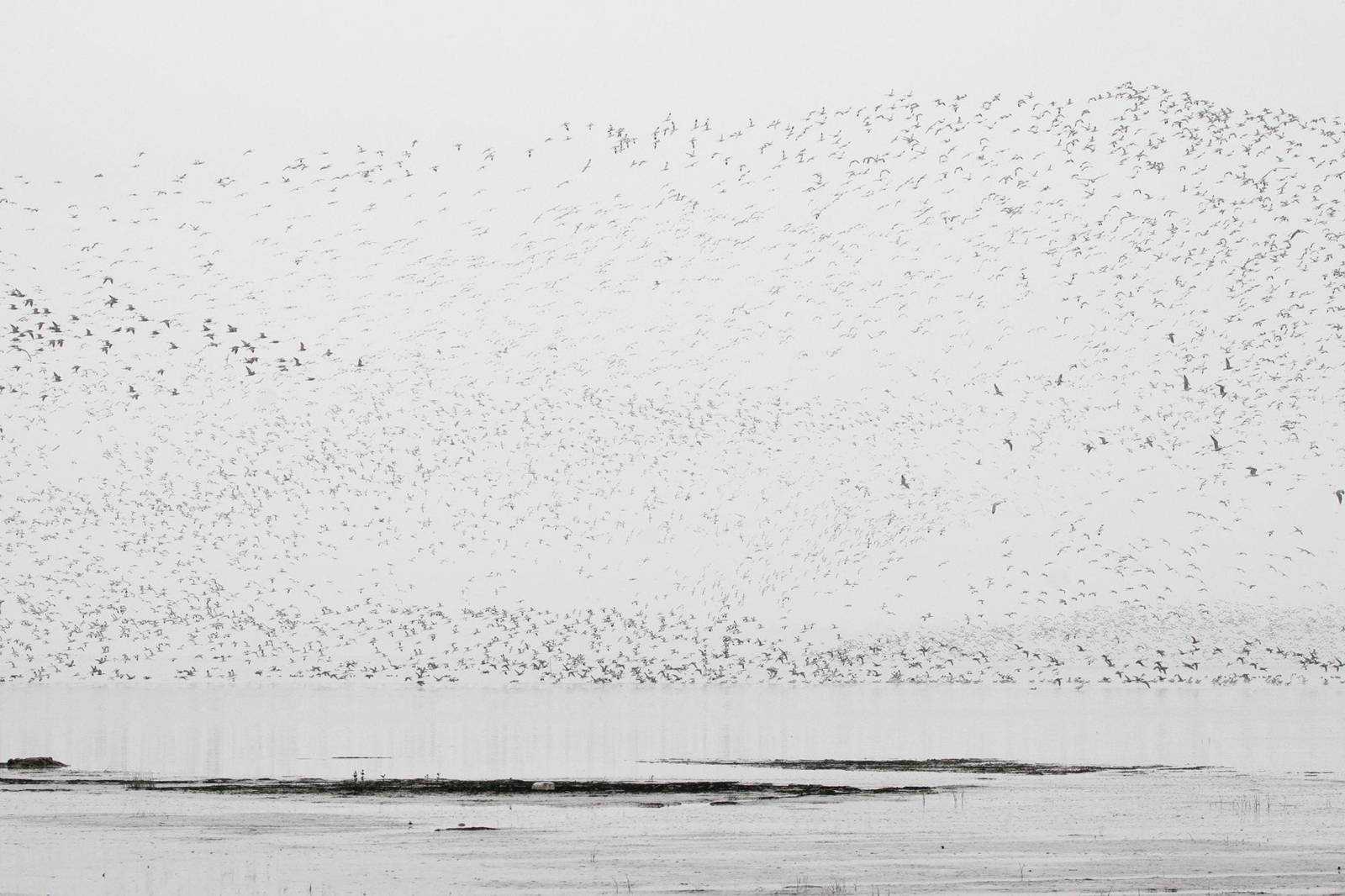
Deep Bay (photo taken in 2010)
Since my primary school days, bringing binoculars to look for birds has become part of my life. I visit the countryside for birdwatching whenever I have time. “Is it really that fun?” new people I meet ask curiously. When work already causes people to lose sleep, why do some of us still bother to go out before dawn on weekends? And no less, to go into nature carrying heavy equipment, sweating all over the face, being bitten by different insects, made worse when one cannot find the birds they set out to find! For myself, having experienced an uncountable number of fruitless days, I can’t help but ask myself why dig my own hole? What is the purpose of birdwatching? When will I attain what I set out to do?
When us birdwatchers introduce birdwatching to people who are new to the activity, we always hope that they will be enthusiastic and become attached to this activity; however, it is often not the birdwatchers who are the converters. Encountering a unique bird is more effective than listening to the hundreds of reasons given by experienced birdwatchers.
I became addicted to birdwatching after I saw a common kingfisher. My father and I were in Kowloon Park when we suddenly spotted it standing on a branch; the reflection of its lake green colour in the morning sunshine made it particularly sparkly, and I still remember that scene years later. When your sight is connected to the long-awaited bird through binoculars, the excitement of finding it is enough to keep you happy all day long.
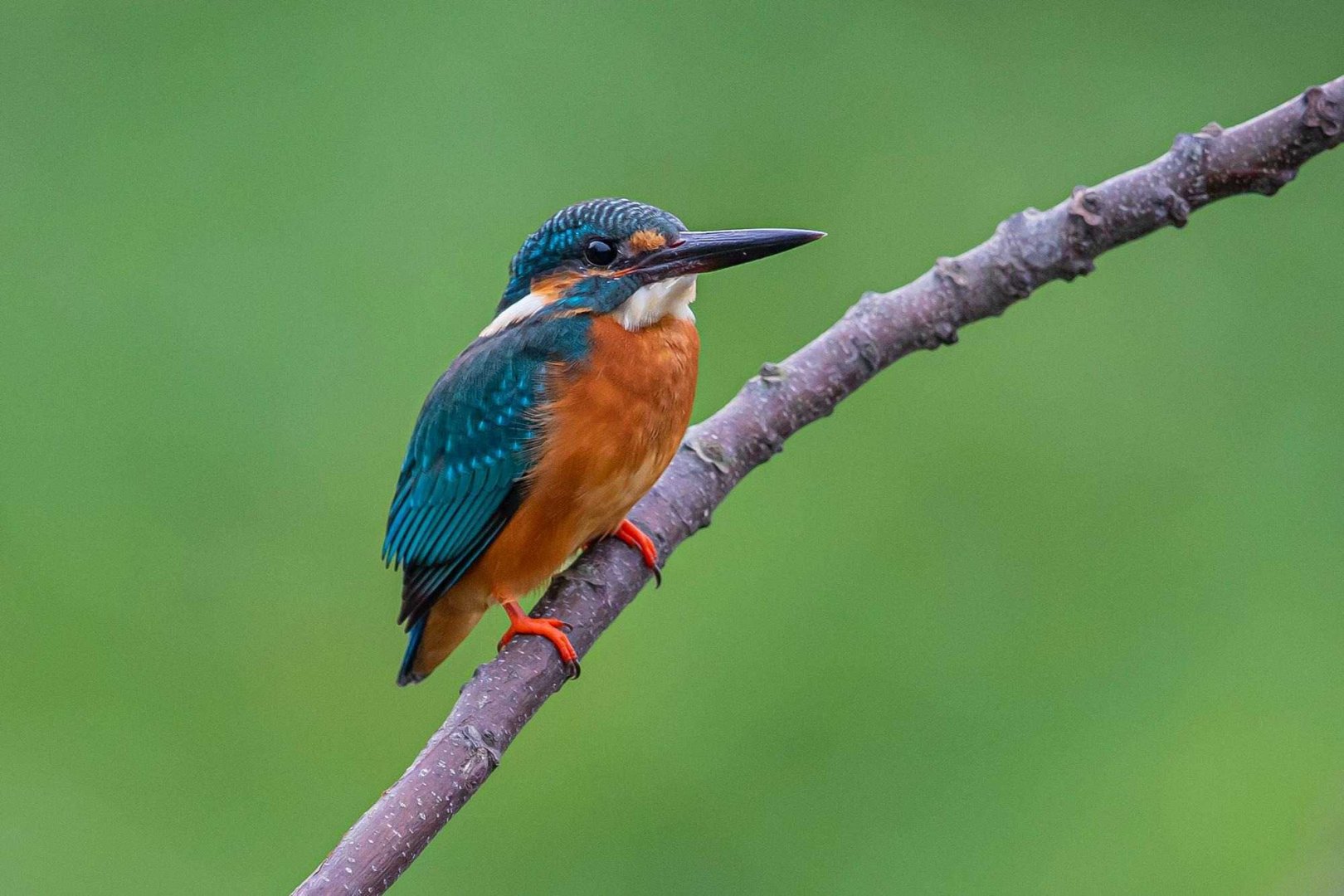
Common Kingfisher
The ultimate goal of the popular AR mobile game, Pokémon GO is to catch all the Pokémon species, and birdwatchers have long been playing a similar game. Hong Kong may be a small place but is home to nearly half of China’s bird species — over 560 bird species have been recorded here. Among these 500-plus species, they are divided into “noble” and “common”. Some of the birds can be seen everywhere (such as the spotted dove), but meeting some other species may require a bit of luck (such as the fairy pitta that only passes through Hong Kong in spring and autumn), some wild birds have only been recorded once or twice in Hong Kong. It takes a lot of time to “collect” the 500-plus bird species, it is actually almost impossible to see them all. As a new birdwatcher, it is not difficult to experience new discoveries during the honeymoon period, but it gradually becomes more difficult to find unseen bird species… you might even need to spend a year just to find several birds that have not been seen previously.
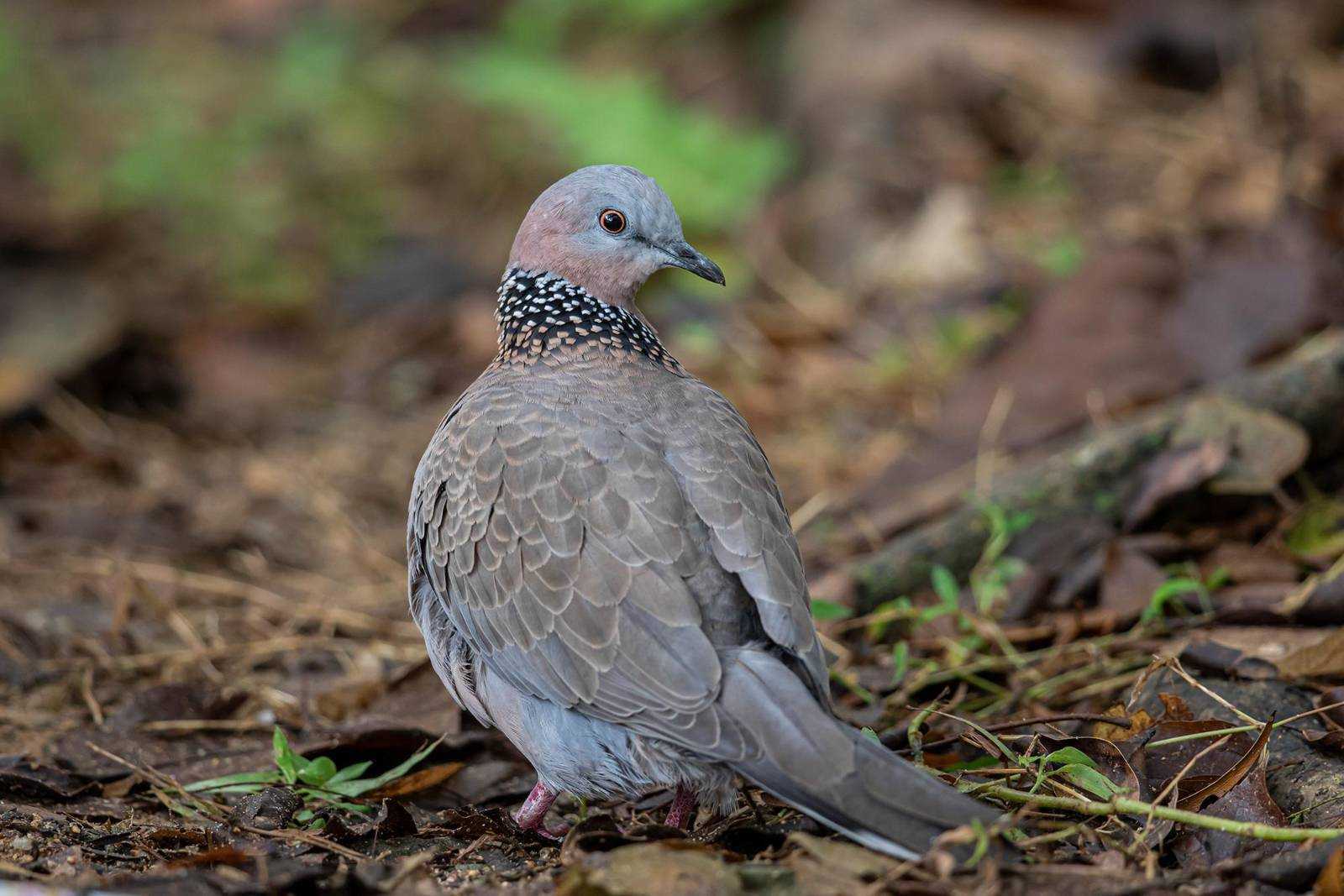
Spotted Dove
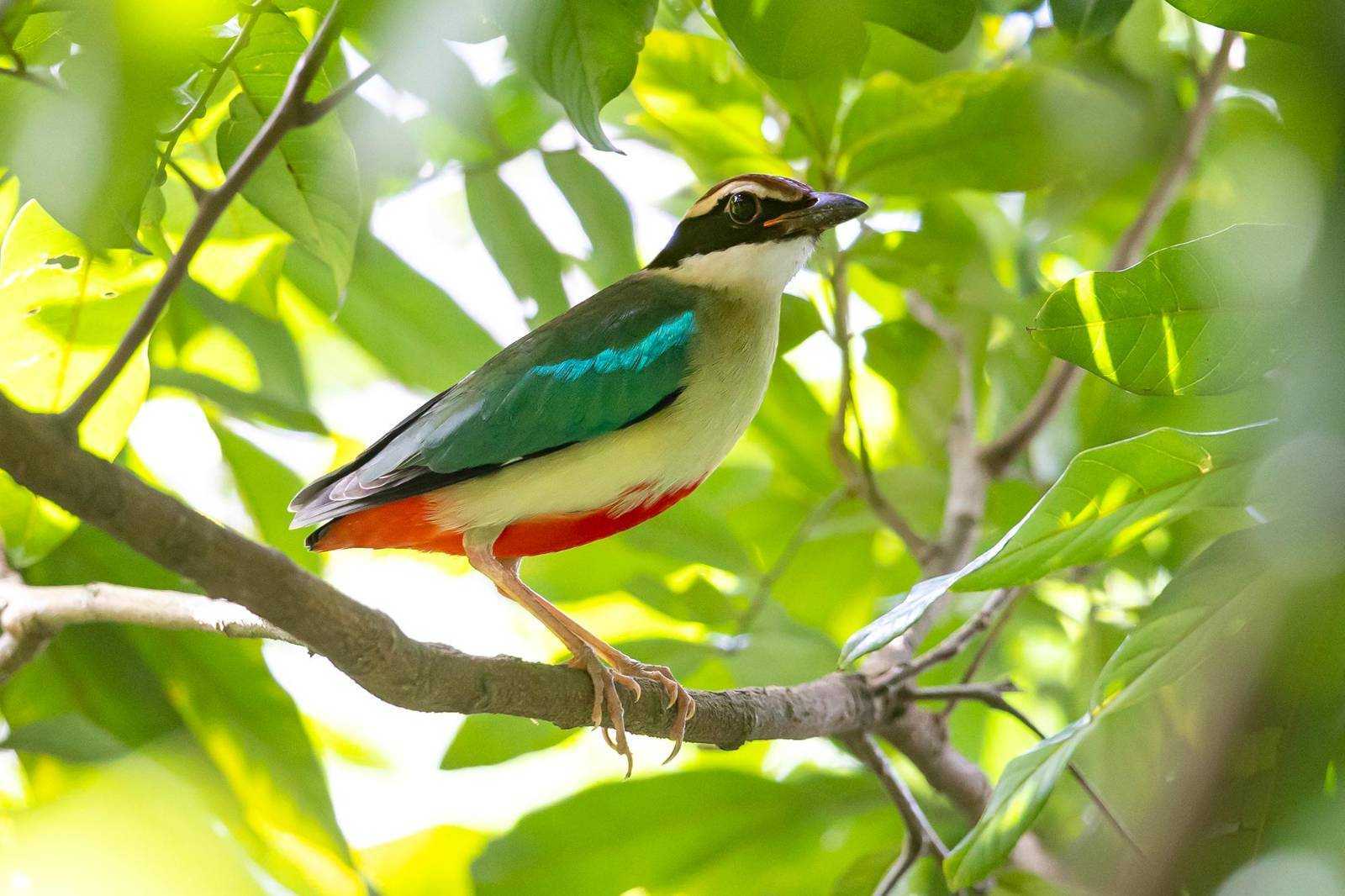
Fairy Pitta
When the freshness of seeing new birds passes, your mindset may need to be adjusted. The journey to pursue new species is long but along the way, we can appreciate the birds that have been seen, record down the appearance and characteristics of the same bird species at their different ages, observe their behaviour and find out their likes and dislikes. There is no such thing as endless fruitless visits to find different species of birds. As we slow down, you will find that no matter how common a bird is, we can still learn about nature.
Once I was observing the most ordinary Chinese pond heron in a field. It had been standing there for a long time and suddenly it stretched its neck long, but it neither caught a fish or frog, nor a snake. A sparrow kept struggling in between its beak, the Chinese pond heron just shook its prey mechanically over and over again until the sparrow was completely still. “How cruel”, I thought when I saw this. But isn’t this an experience for every bird? Whether it is a predator or survivor, as long as the habitat is still there, it will continue to find their ways to live. Having said that, I have looked at the chirpy sparrow in the field slightly differently ever since.
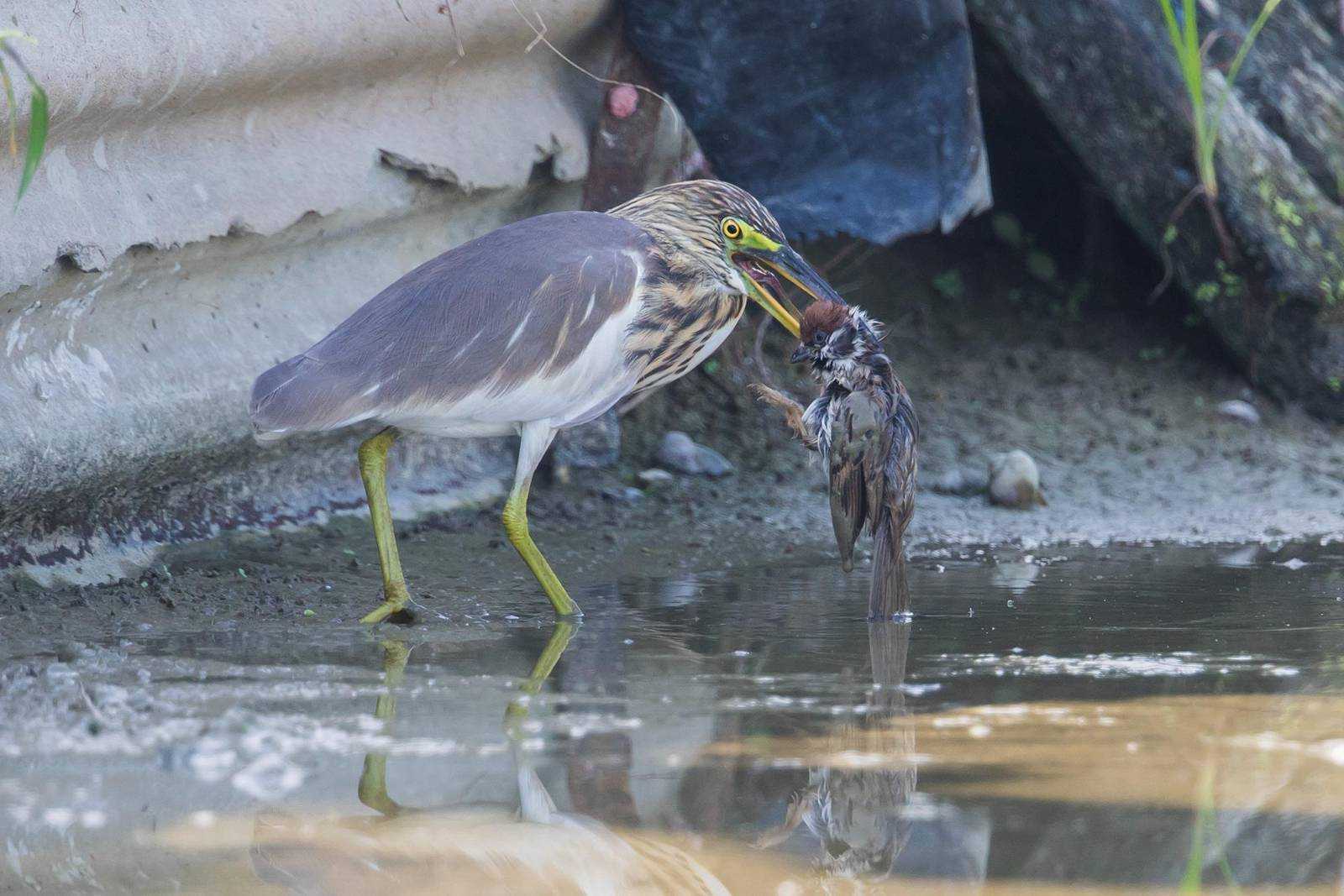
A Chinese pond heron eating a sparrow.
Birdwatchers should learn to let go of that feeling of missing out on sightings of rare bird species — it’s not good for health, and people should not interfere with how nature works. Nevertheless, being human means we inevitably control the future of wildlife. What are the needs of birds in Hong Kong? Will urban development take away their habitat? First there is land, then there are birds and followed by birdwatchers. I am ashamed that there are still nearly a hundred bird species I have not met, and hopefully my birdwatching life will not be forced to end suddenly.