Texts: Dexter Tse
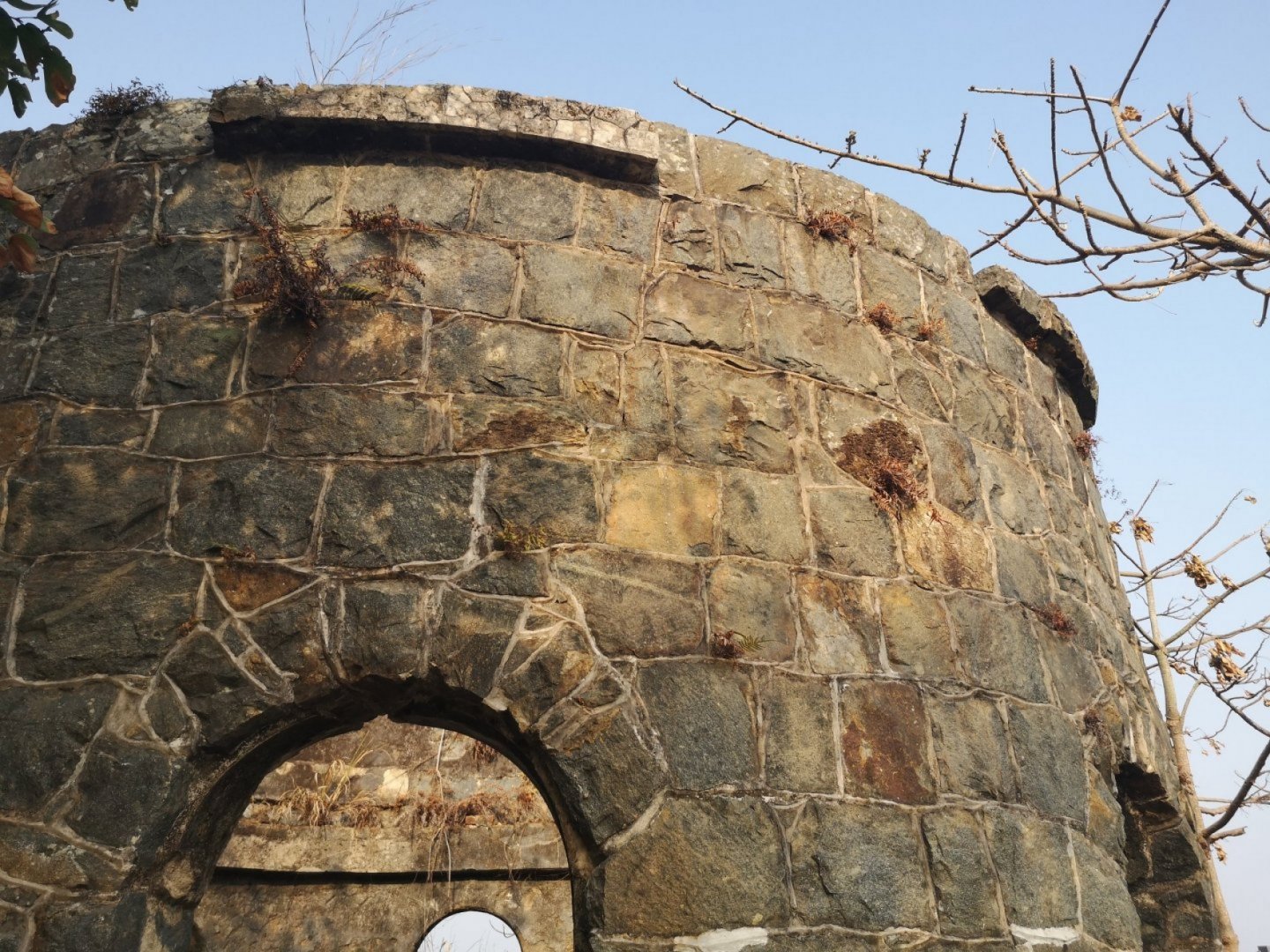
Climbing up the hills behind Tseung Kwan O, one often finds a stone structure known as the Mau Wu Fort. It consists of a round tower and a rectangular house, both built with granite stones, which was very likely to be from the nearby quarries at Lyemun. It’s very possible that there used to be a roof on the tower. Although it has a round-shaped structure that resembles a European-style castle, it was certainly not a "fort". It is far too small to protect anything, and there is no space to install armaments.
So what is it, then? Well, no one really knows. Historians have tried in vain to confirm the purpose of buildings. The lack of written records means that it's challenging to even date it. They found some old photographs and documentation suggesting that a small group of Chinese soldiers was stationed there. They were, eventually, satisfied with the conclusion that the Mau Wu “Fort” was actually an observation post of the Qing Empire’s maritime custom. It was under the command of the Qing custom house at Fat Tong Chau Island. At that time, European officers managed the Qing customs, so the European-style architecture makes sense. If that’s the case, then the observation post must have been constructed after the Fat Tong Chau custom house was established in 1868 and before the lease of the New Territories in 1898.
In the second half of the nineteenth century, smuggling opium and other goods from British Kowloon to China, either by land or sea, was a severe problem to the Qing authorities. It's believed that the Chinese custom officers decided to build an observation post on the Mau Wu hill. They could easily monitor the activities in the Junk Bay from there. One might find it hard to imagine, but King Ling Road and Po Shun Road used to be the waterfront before reclamations created the towns of Tiu King Ling, Tseung Kwan O and Hang Hau that we now see.
To smuggle goods to China, the Junk Bay was on a common sea route (the other sea route was at the Ma Wan channel in the west while the land route was through the Smuggler’s Ridge near Shing Mun, as the name suggests). When suspicious ships were spotted, the soldiers at the Mau Wu post would communicate with the Fat Tong Chau custom house by signal lights or fire (the radio was not invented yet!), and custom ships would be sent to make arrests.
After the Chinese customs left, a Canadian merchant named A. H. Rennie founded the Junk Bay Flour Mill on the Mau Wu hill in 1905. That’s why Tiu King Ling is sometimes called Rennie’s Mill. Despite being capable of producing 8,000 bags of flour every day, Mr Rennie’s business did not go well. He committed suicide in 1908, and the mill was closed. Since then, many buildings have been built on the hill, like a quarantine station, a sports ground and even a refugee camp in the 1950s.
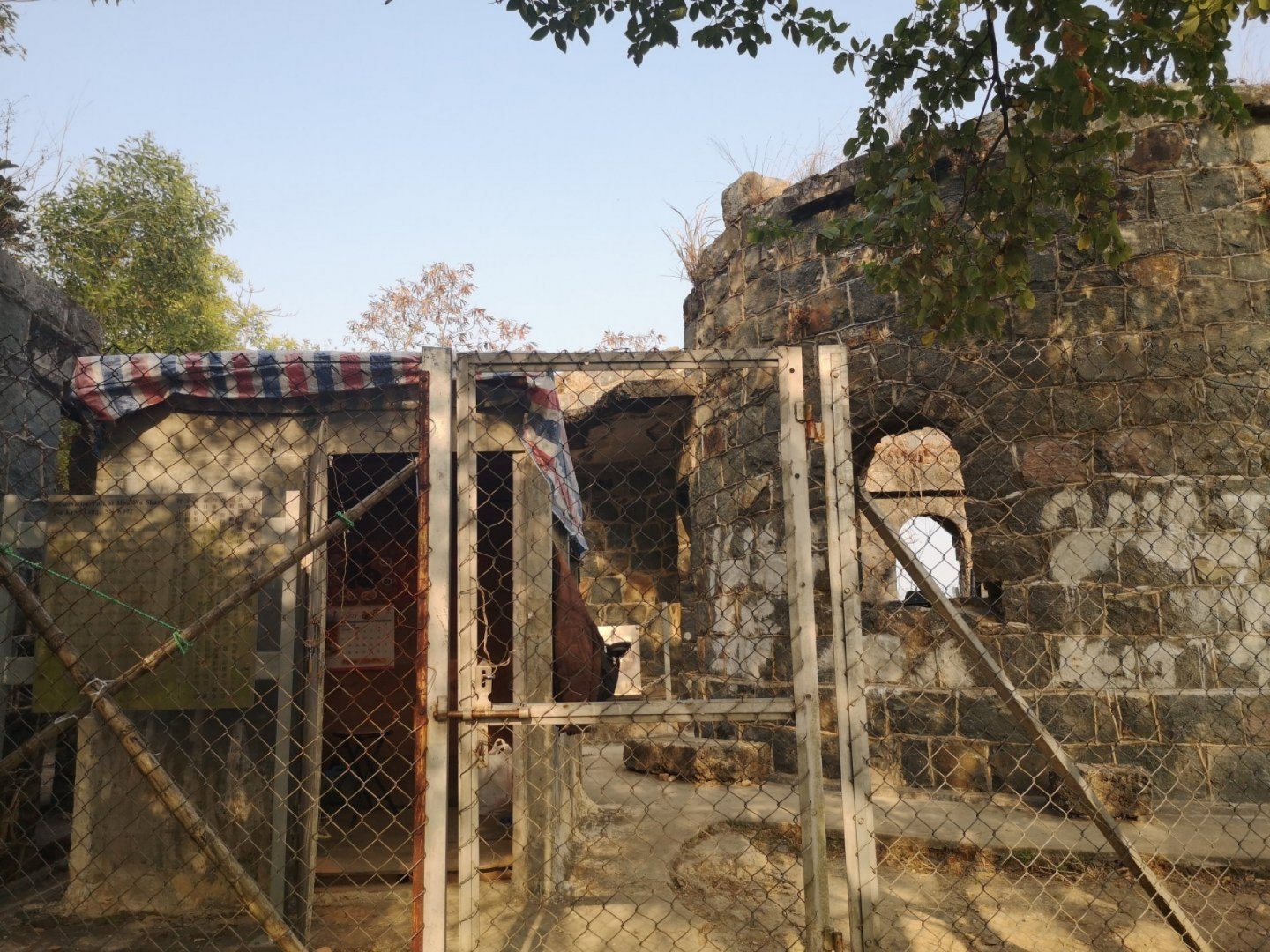
The Mau Wu Observation Post is now a grade one historic building. Nearby historical sites include the former Tiu King Ling Police Station and the former staff quarters for the Pest Control Unit of the Regional Service Department. Get up there this weekend, imagine being a customs officer looking at a wide bay without the tall concrete buildings, and see if you can track the moving people down the hill!
Read More: 香港古事記 (Chinese Only)