Text & Photos: Marco Chan (That Bee Guy)
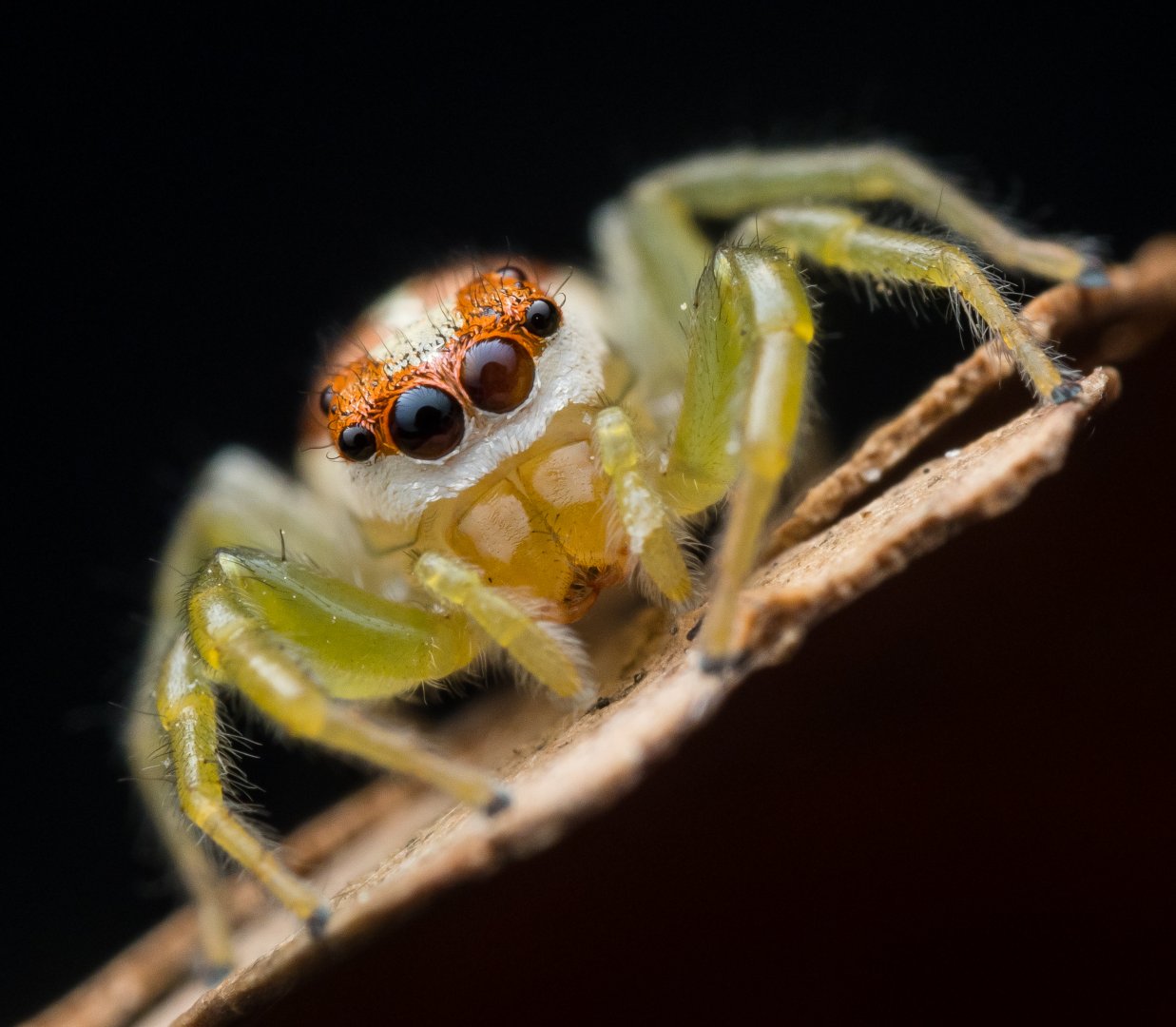
A female yellow jumping spider (Epocilla calcarata)
I would say I march to the beat of a different drummer. While most people spend their leisure time playing sports or at home playing video games with their friends, I would pack my bag, lace up my hiking boots, and spend hours venturing into the wilderness. But I’m not searching for pristine and stunning landscapes, I’m searching for something much more secretive, and that is the organisms that live in our environment.
It is no secret nowadays that Hong Kong has more than meets the eye. While the city has been labelled as the “concrete jungle”, it includes a great variety of ecosystems, housing a rich biodiversity. According to the Hong Kong Science Festival, just last year, Hong Kong ranked third out of the all the participating countries in the annual City Nature Challenge (CNC), with 3007 local species recorded in just a handful of days! Over the years I was lucky enough to witness the plethora of wildlife that Hong Kong has to offer, from large wild boars to the smallest jumping spiders, and all of this was possible due to wildlife photography.
I have always been passionate about documenting our city’s extraordinary wildlife through photography ever since I was in secondary school. Every time I zoom in with my lens, it opens up an alien world full of the weird and wonderful, allowing me to observe them in great detail, even witnessing some of their intricate interactions: during the summer, when I was walking on a forest trail, I saw a group of ants approaching a lantern bug, and upon closer inspection, they were actually going to collect the honeydew excreted by the lantern bug! Honestly, without my camera, I don’t think I would have been able to catch a glimpse of these things.
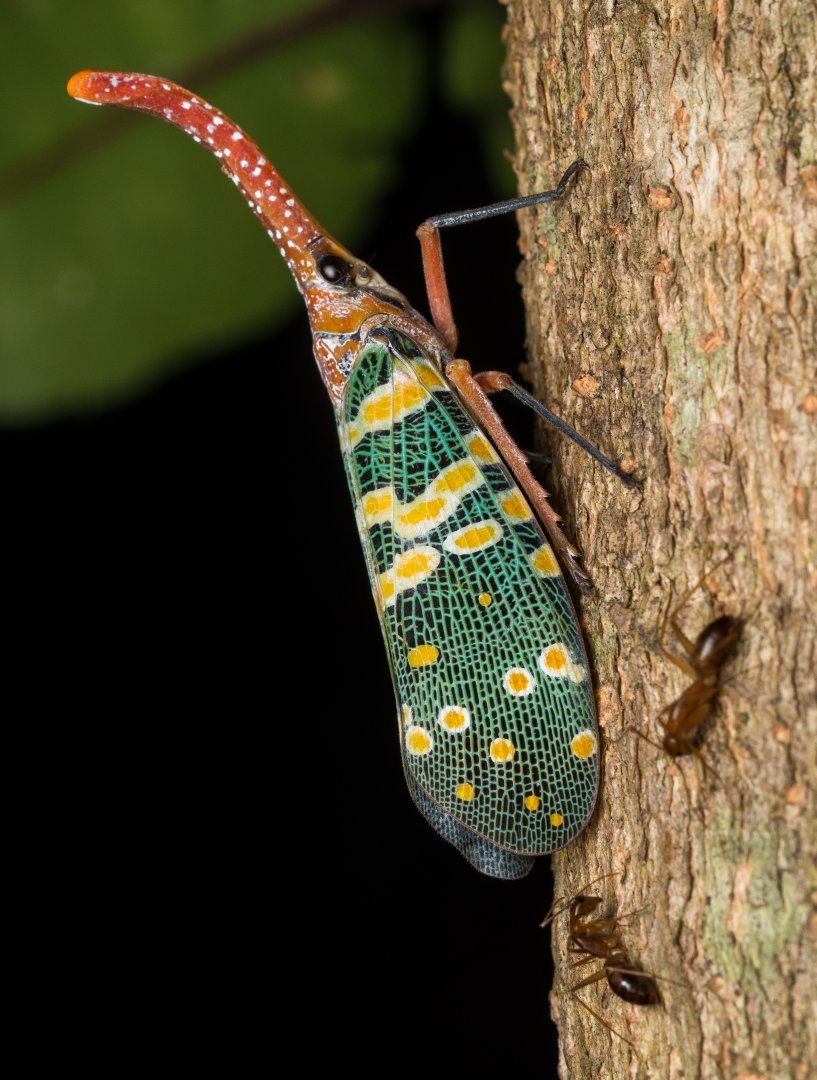
A group of sugar ants (Camponotus sp.) waiting to collect honeydew excreted by a lantern bug (Pyrops candelaria)
To me, the whole learning and thought process sometimes matters even more than the resulting photo. Whenever I approach an animal with my camera, I get to understand more about their appearance, their behavior, and their role in the ecosystem. I get to learn more about them, and with these thoughts in mind, I try to think about the composition of the photo, as well as what angle would best represent the subject in a natural and authentic way. My goal is to provide a window of opportunity to the public to see these animals in a way that has never been seen before, further spreading the message of wildlife conservation. Whether that be their unique physical features, or some interesting behaviors that they exhibit, I hope to show that you do not have to go far away to see amazing wildlife, just a few bus stops will lead you even closer to their world.
However, I often hear a common misbelief that in order to engage in wildlife photography, people have to spend thousands of dollars to buy photography equipment so that they can get really detailed shots. To be honest, buying a digital camera is just an alternative. For those that want to go low budget and still be able to document their findings in the natural world, something as simple as a mobile phone camera will do. In fact, my journey in wildlife photography started with my phone and a cheap clip-on macro lens. Wildlife photography is for everyone to enjoy, and there are no limitations when it comes to it.
Unfortunately, even the wildlife photography world can include some saddening scenes. Every now and then there are reports of not “flocks of birds”, but groups of photographers flocking to a single place, sometimes even using unethical practices such as baiting, to get the photo they want with complete disregard to the subjects’ wellbeing. It is important that every wildlife photographer respects the animals and the environment and not manipulate them in a way that would disrupt their usual behavior. So, in the end, it may be better to spend hours waiting, rather than using detours to get a single photo.
Wildlife photography is more than a hobby. It is a great learning experience and an act of conservation and environmental protection by raising the awareness of others. Hopefully as summer approaches, more people will help share more wonderful images of our amazing local biodiversity. There’s a lot more to be discovered in our city!
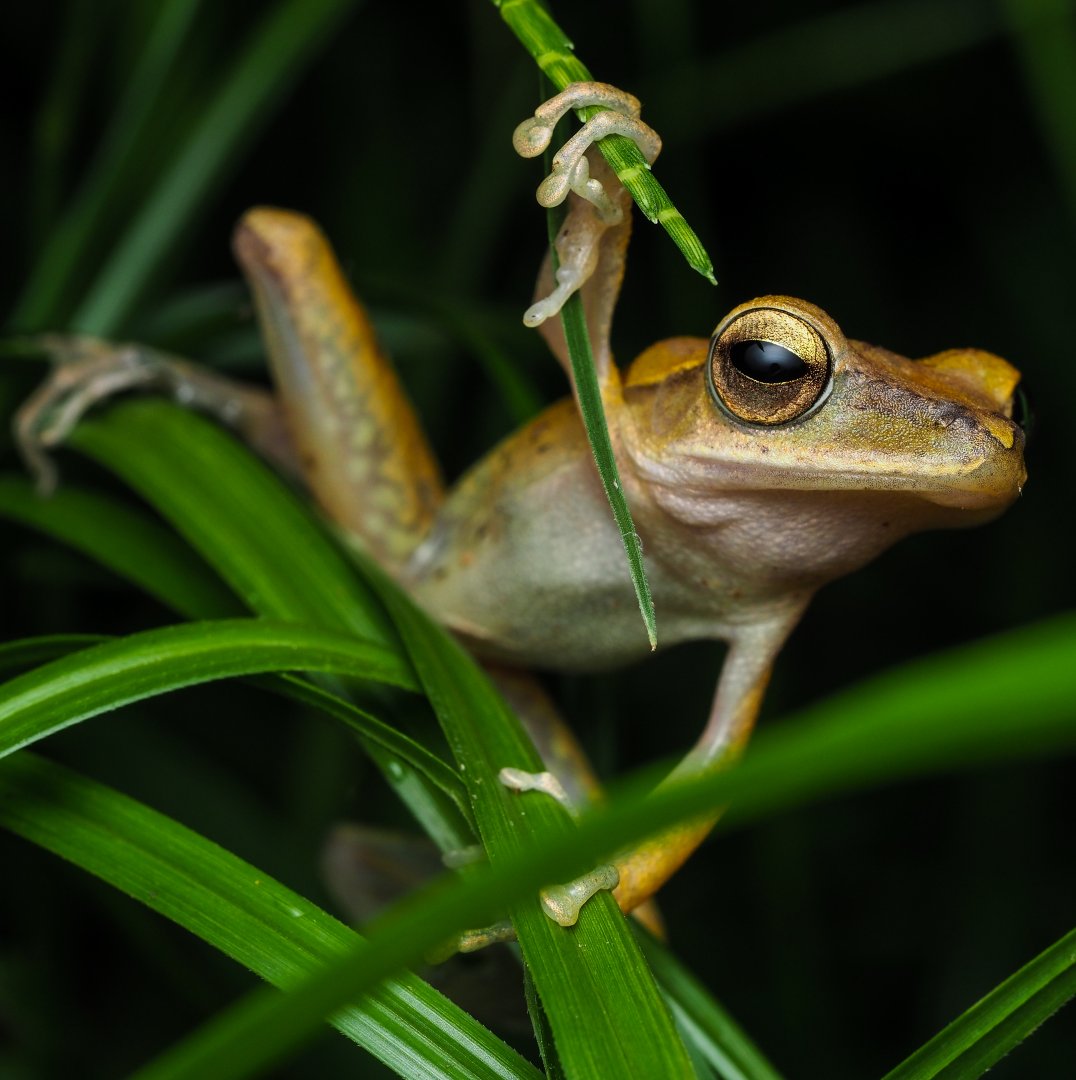
A brown tree frog (Polypedates megacephalus) in a hilarious position
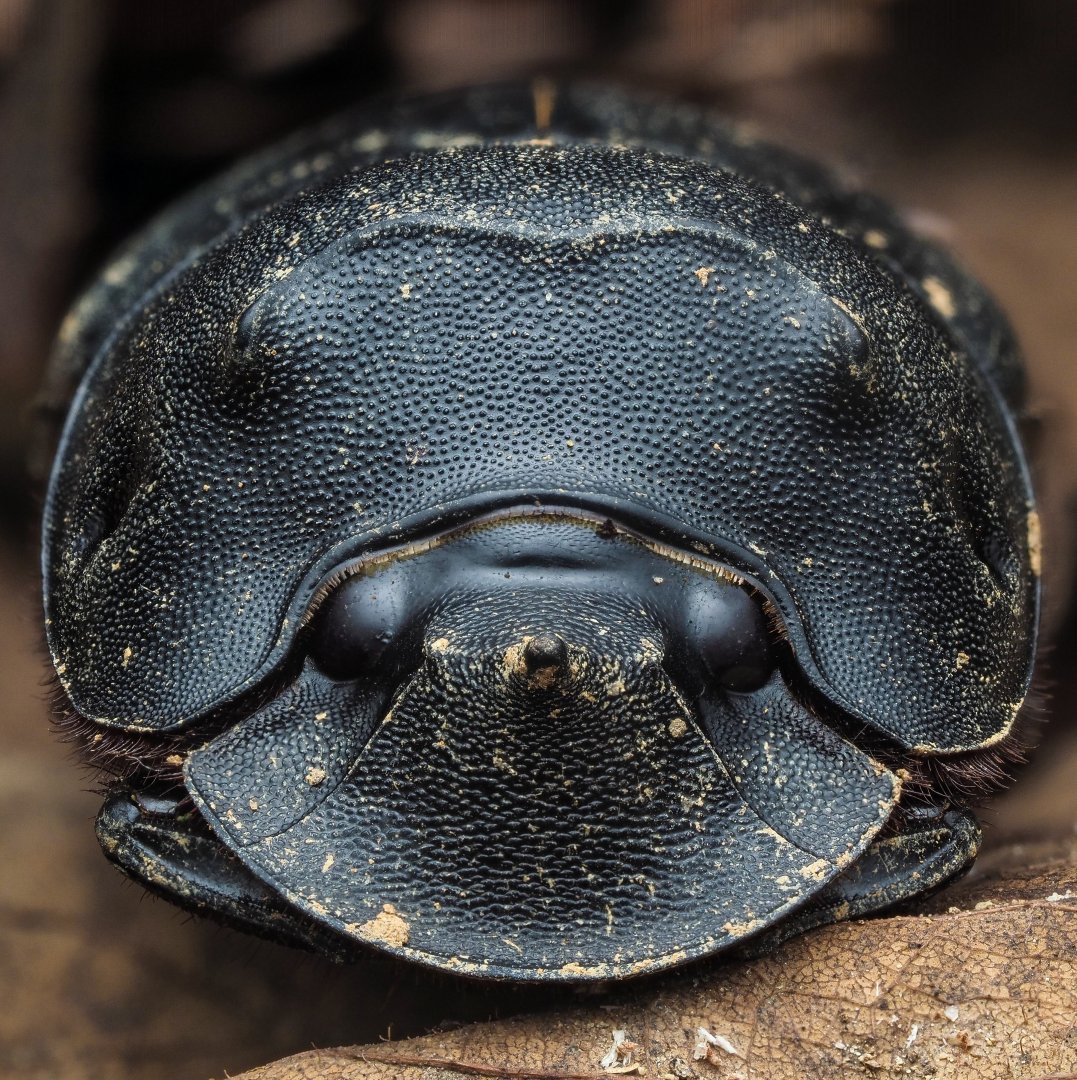
A resting tunneler dung beetle (Catharsius molossus)
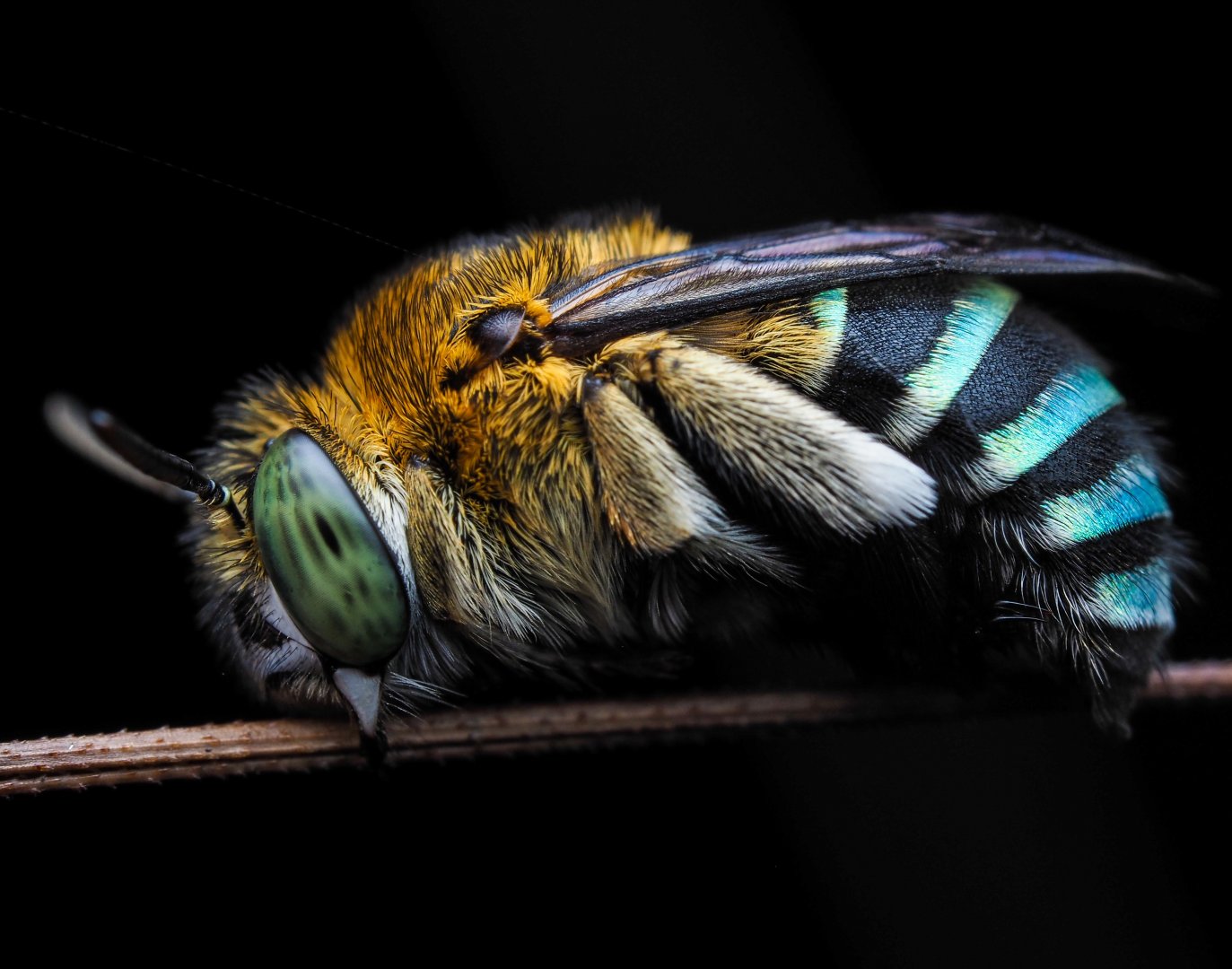
A sleeping blue-banded bee (Zonamegilla sp.)
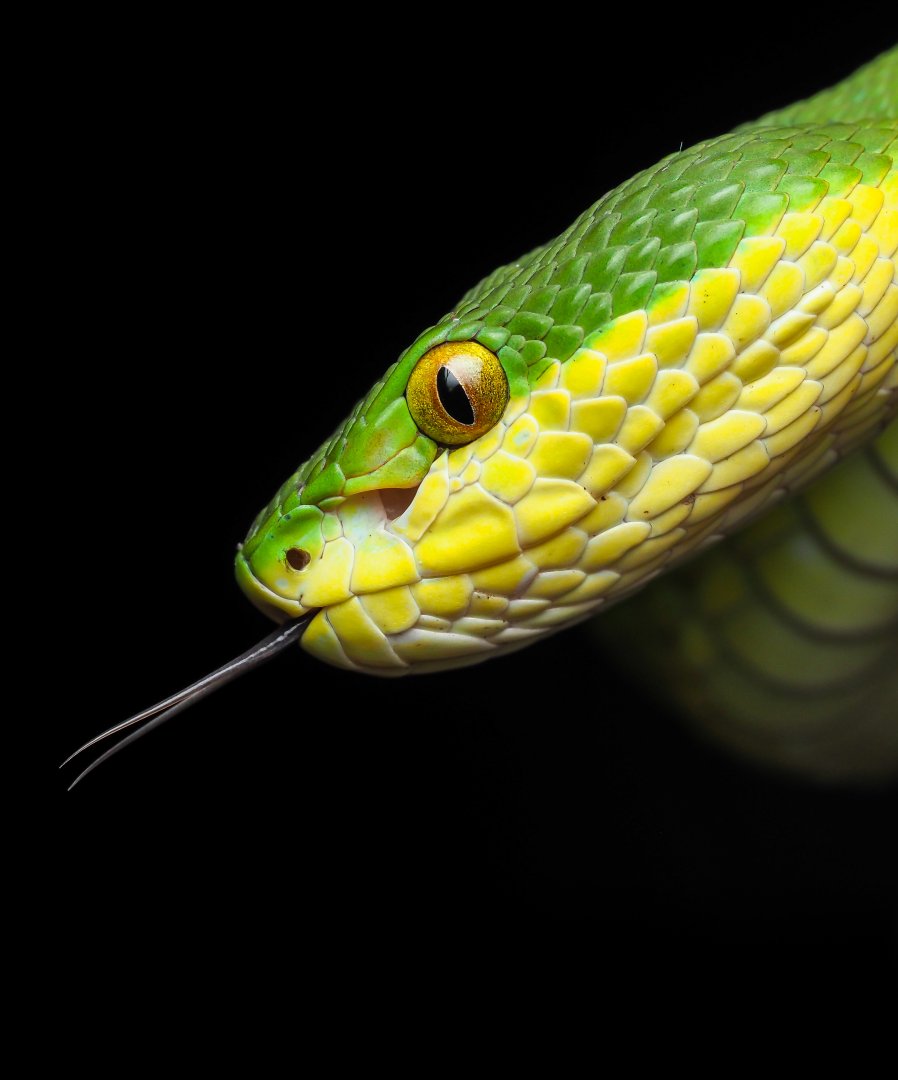
A white-lipped pit viper (Trimeresurus albolabris) flicking its tongue