Michelle Lau (International Olympic Committee accredited Sports Nutritionist, Founder of Nutrilicious, nutrition consultancy and communications company)
After a hike, of course, we all deserve to give our bodies much needed food and nutrition to nourish our bodies and replenish our energy. And did you know that food plays a role in enhancing our hiking safety and enjoyment of our hikes? In an earlier article, we shared some basic hiking and nutrition tips; today we dive deeper into the timing of when and what to eat based on the type of hiking you plan to do.
For hikers who embark on hikes over 2 hours or more, food is more than simple nutrition — food is fuel. Long-distance hiking is a high-calorie-burning endurance activity that requires a solid nutrition plan. Depending on your body weight, the duration and intensity of the hike, you’ll need to adjust your nutrition plan or fuel accordingly. For example, a 60kg adult woman hiking for 6 hours with many uphill and downhill would need around 4350 kcal to sustain her activity, while an 80kg adult man would need approximately 6000 kcals to perform the same activity.
In fact, timing your meals to match the demands of the activity can be the difference between sprinting up the mountain top or not finishing the trail at all. There is research that indicates that in the countryside, more injuries occur in the mid-late than other times of day, as this is more often when people become dehydrated, their muscle levels of energy (glycogen) start to deplete and blood glucose levels fall. These factors can lead to fatigue; once your legs start to give out, it becomes very difficult physically and mentally to enjoy being on the trails and in nature, no matter how beautiful your surroundings are.
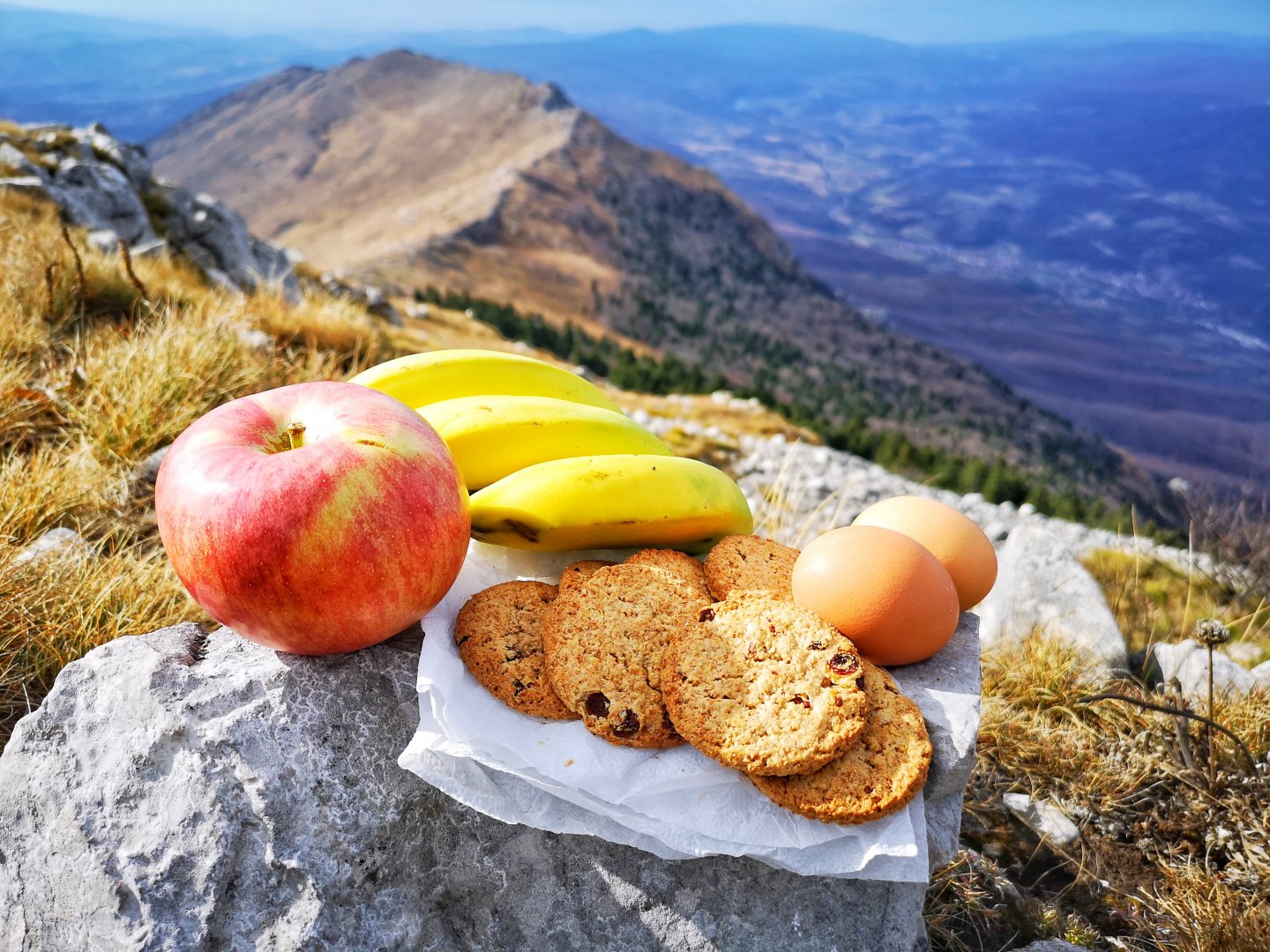
Key nutrients that provide energy are carbohydrates, protein and fat. Here are some tips and ideas to help fuel your next hike:
Pre-hike Objectives: Fueling and Hydrating
Fuel:
The nutrition objectives should be to ensure optimal hydration status and maximize muscle glycogen to help fuel the long-distance hikes. In situations where your hike will last for several hours or more, carbohydrates should make up most of your diet. A larger, high-carbohydrate meal, between 200 g to 300 g, low in fat and fiber, can enhance performance when eaten three to four hours before the hike. Alternatively, a smaller meal or snack, such as flavored yogurt with a banana, one hour before the hike will allow for gastric emptying to avoid feelings of fullness. Nutrient dense carbohydrate rich foods (such as wholegrain breads and cereals, starchy vegetables, fruits) should be prioritised to meet fuel demands, however there may also be a need to include additional carbohydrate rich foods/drinks (e.g. sports drinks, energy gels) to improve performance during higher intensity and long-distance hikes.
Hydration:
It's essential to stay hydrated before you even put your feet outside the door. To adequately hydrate for a long hike and decrease the need to urinate during the hike, consume about 5 ml to 7 ml/kg of body weight of water no less than a couple of hours before the hike. For example, if you are 50kg, then you should drink at least 250ml of water.
Then, a good rule of thumb is to plan for at least 240ml to 500ml of fluid for every hour of hiking. Make sure you bring your own non-single use bottle to your hike so you can also access clean drinking water during your hike along certain trails in Hong Kong.
During the hike Objectives: Carbohydrate Fueling
To optimize performance and prevent fatigue during the hike, the main nutrition objectives are to consume sufficient carbohydrate to maintain blood glucose levels and replace lost fluids.
Glycogen stores can be depleted after one to two hours of intense and endurance exercise. In order to provide a steady supply of glucose for a long hike, hikers should ingest approximately 30g to 60g of carbohydrate per hour of exercise. How much is 30g of carbs? That’s about one large banana or 1.5 slices of white bread.
Gastrointestinal (GI) absorption capacity varies between individuals and glucose utilization rates might limit higher intakes of carbohydrate per hour, which could potentially cause GI distress. However, you may train your gut by consuming carbohydrate-rich food over a period of time; some experienced endurance hikers can train themselves to be able to ingest and utilize up to 90g of carbohydrate per hour during hikes longer than several hours by consuming carbohydrate rich beverage, gel, or snacks.
Fluid needs are influenced by factors that affect fluid losses such as temperature, sweat rate, exercise intensity, duration and altitude. If your hike is high intensity, consuming a sports drink* with a carbohydrate content of about 6%^ throughout the hike will help to meet carbohydrate and fluid needs simultaneously.
* Sports drinks are different to other beverages in that they contain electrolytes and carbohydrates.
^ To calculate the carbohydrate concentration of a beverage:
Amount of carbohydrate in grams (from the label) divided by the volume in one serving (typically about 240 ml per cup) x 100 = the percentage.
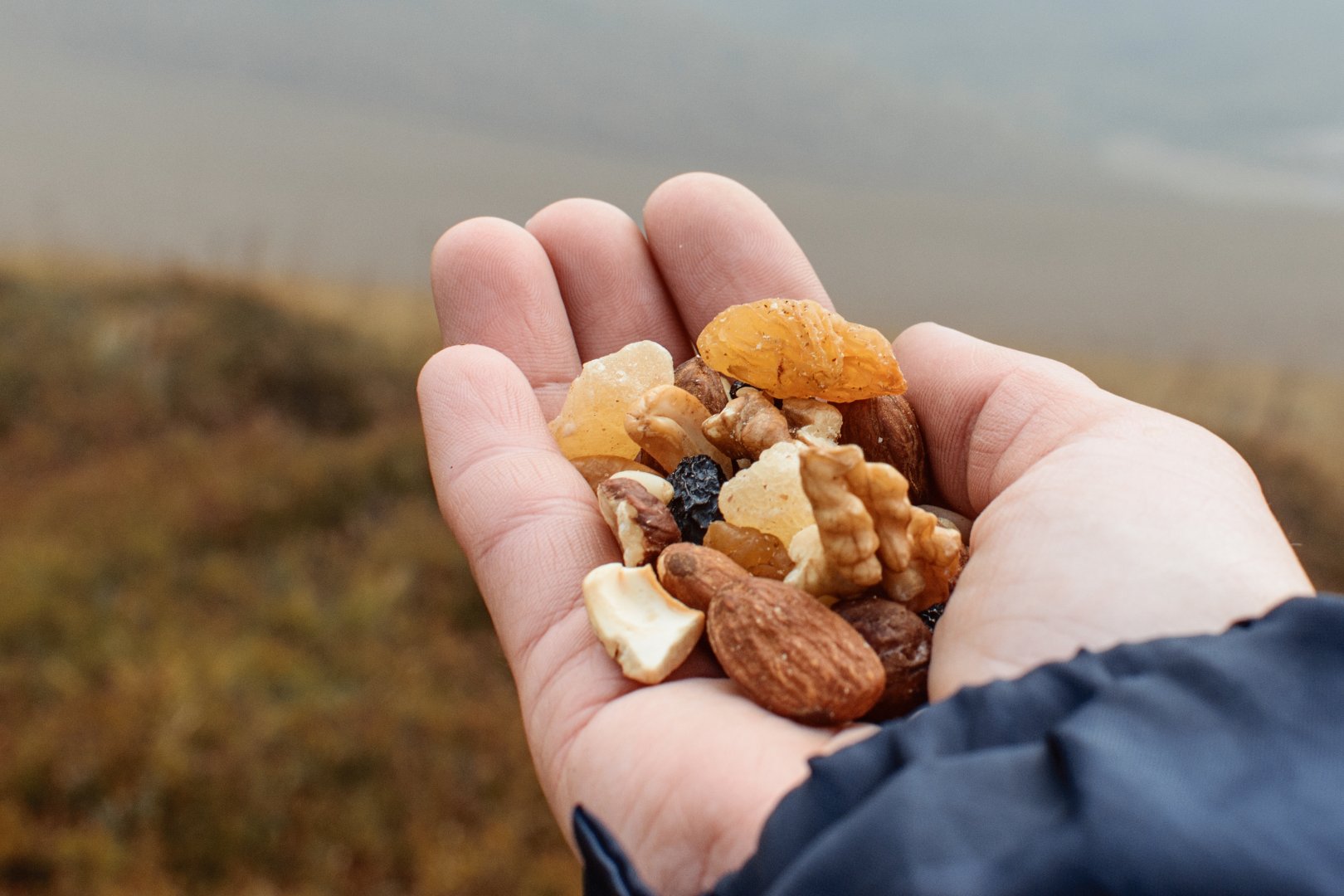
How should you approach what to bring for your hike? Pack light and smart! If you pack too much, or carry heavy and dense food, the extra weight causes additional burden to your legs and potentially shoulders, forcing you to expend more energy during your hike. That’s why it’s important to pack light, eat light yet nutrient dense foods such as dried fruit and nuts.
Post-hike Objectives: Refuel and Rehydrate
Long hikes deplete glycogen stores. Our bodies naturally store glycogen; it’s one of the most important fuel reserves. Consuming a carbohydrate-rich and moderate protein meal or snack soon after the hike (within 30 minutes, ideally) will help to maximise recovery in order to replenish glycogen stores, since this is when our muscles are most receptive to refuelling.
The post-hike meal or snack should include approximately 20 to 25g of high quality protein (eg. crack three eggs into a pan with a quarter cup of shredded cheese) to support muscle repair. Including healthy fats such as oily fish and avocado will also help to reduce inflammation. Hikers can eat foods that have higher carbohydrate content than protein content, for example, choose yoghurt instead of only-meat. Chocolate milk, for example, is an excellent recovery food.
~~
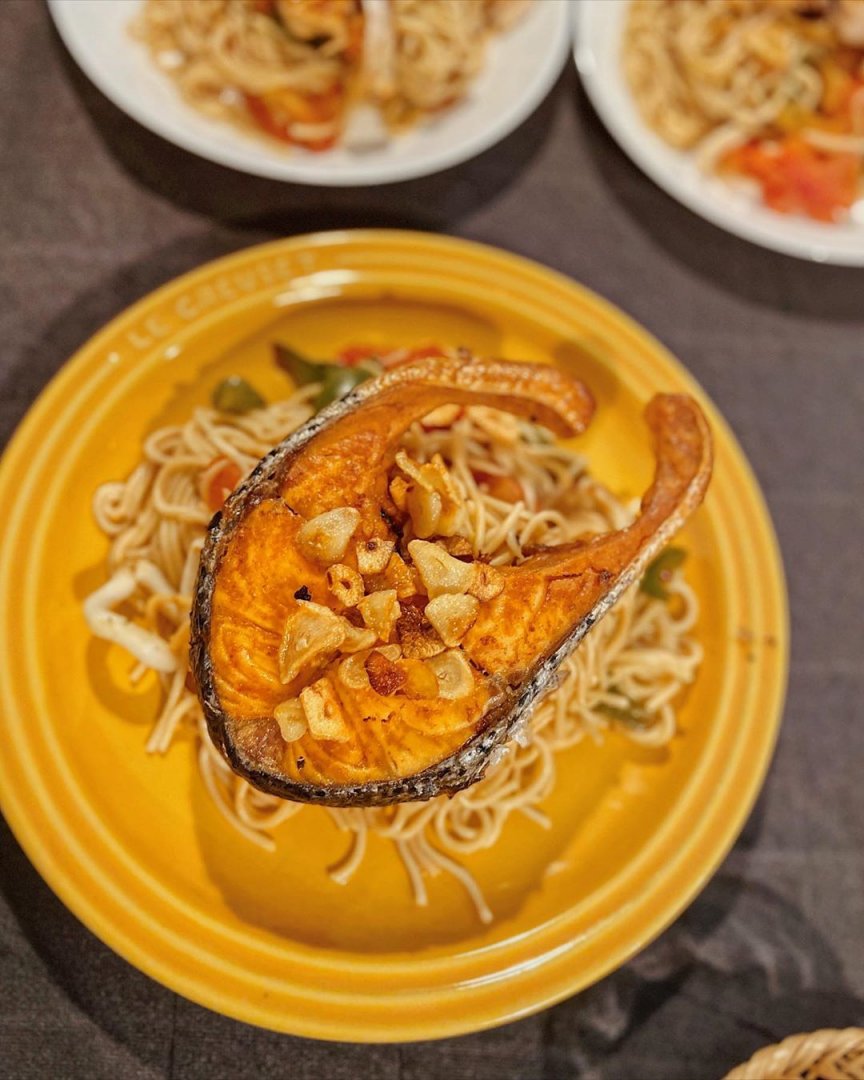
Here are some Nutrilicious tips to help you enjoy a post-hike recovery meal:
-Include a variety of colourful vegetables in your dishes to add nutrients and beneficial phytochemicals for overall health. Choose lean meat and skinless poultry over fatty meat/ red meat for source of protein for muscle building
-Instead of white rice, serve brown rice or buckwheat noodle as these whole-grains food are abundant in nutrients, fibre, and great source of carbohydrate to replenish glycogen
-If you're having hotpot, prepare the soup base with more vegetables and tofu (or even soya milk!) instead of instant or ready-made stock, to reduce salt intake and increase the soup's nutritional value for the family
-Be creative! Serve a plate of fruit salad or healthy nuts as after-dinner desserts to replace the traditional sugar-laden CNY treats.