For many of us, and especially since COVID-19 hit, going for hikes and being outdoors in nature is a refuge. During this pandemic, globally and in Hong Kong, more people are visiting the countryside. Fresh air, access to open space, and a place for exercise while gyms and sports facilities are closed, are among the reasons why people are flocking to national and country parks.
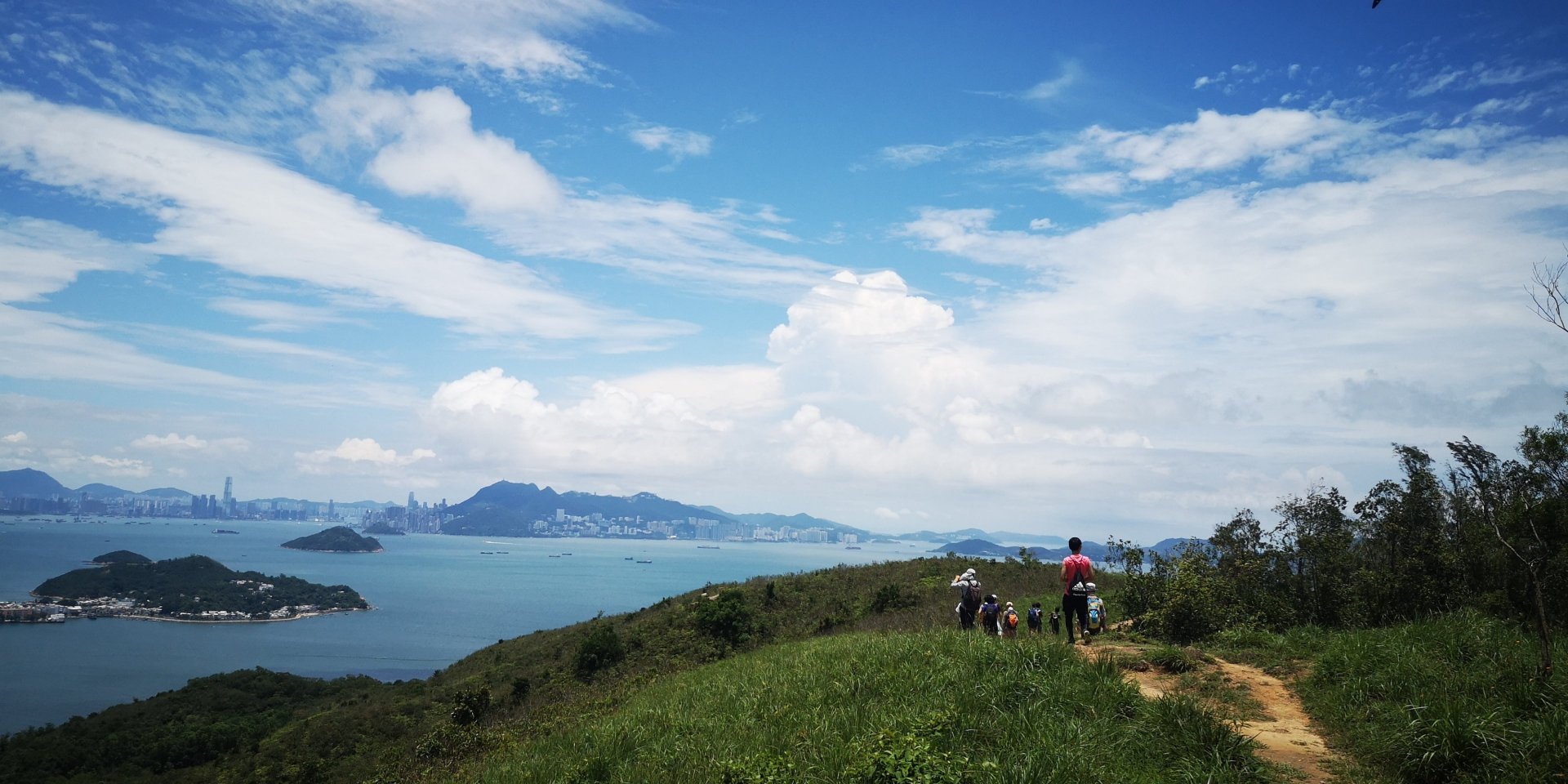
(Going from Discovery Bay to Mui Wo; the country parks of Hong Kong offer plenty of beautiful scenery.)
In Hong Kong, we often say that nature is at the tip of our fingers. A city surrounded by sea and rugged geological features, with mountains full of flora and fauna that we can easily reach via public transportation, there is something for everyone to experience about Hong Kong’s natural environment and enjoy the richness of our biodiversity.
We think of nature in Hong Kong as being for all; they are free after all. With statistics indicating there are between 11 to 13 million visits annually to country parks, one might think people in Hong Kong (population of 7.5 million) are indeed going out to nature.
Yet, in a 2019 research of a sample of respondents representative of the Hong Kong general population, 43.9% of them had not visited country parks in the past year. Among them, 26.5% of them had never visited a country park in their lifetime!
Country parks and nature may be available to the public, but it does not mean they are accessible to everyone. It may not be too often that you notice people with different physical abilities, ethnic backgrounds, body shapes and health conditions hiking alongside you.
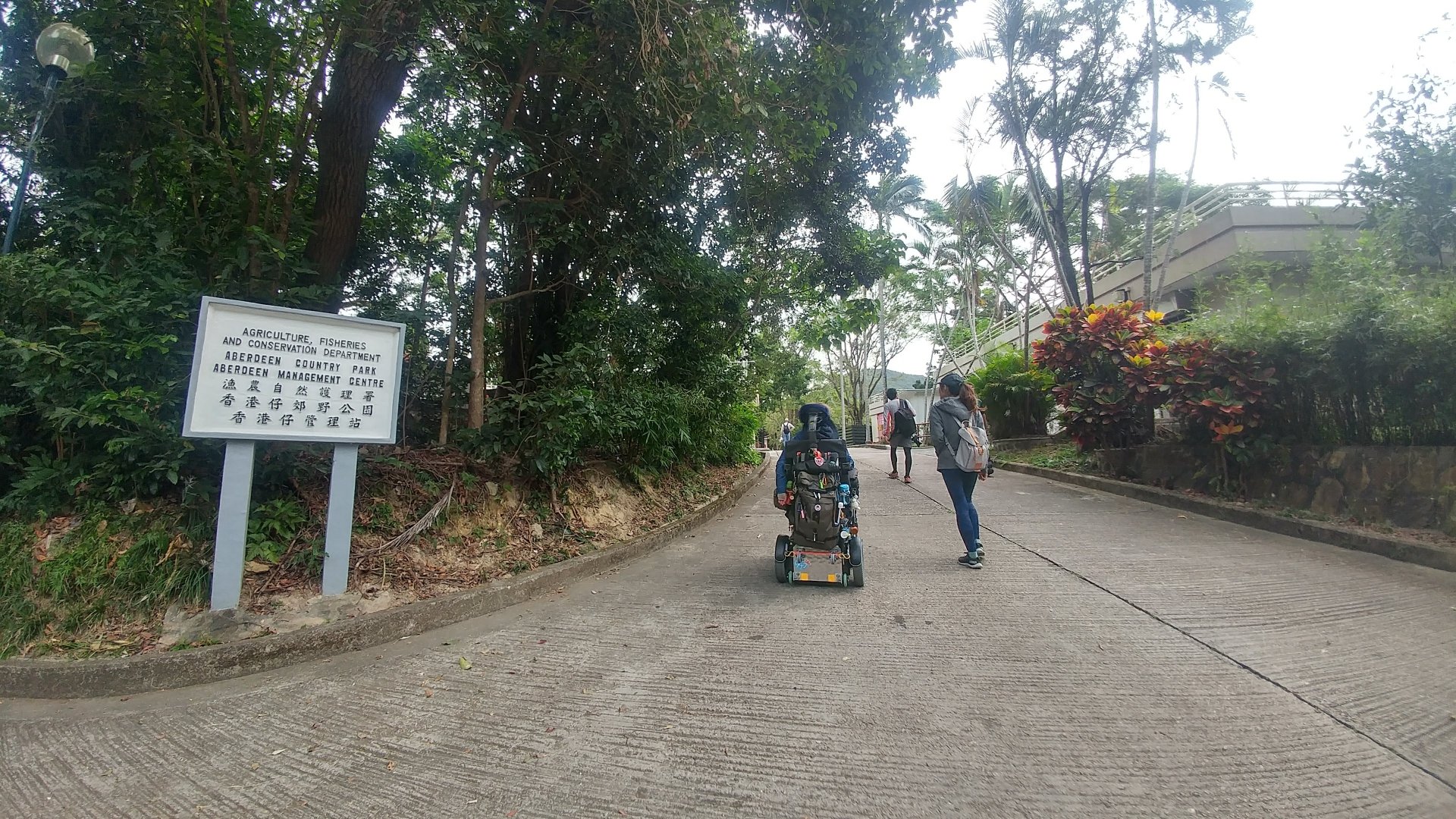
(TrailWatch is partnering with OasisTrek and Wheel Power Challenge to include more accessible routes.)
The 2019 research revealed that country park users tended to be young, male and have a higher household income. And major barriers to visiting country parks included lack of time, lack of interest, no companions / organisers, health problems and inconvenient transportation.
Fact of the matter is, everyone in Hong Kong should be able to access, enjoy and reap the benefits of walking or hiking along outdoor trails. Physical activity and exposure to nature leads to improved health. They reduce stress levels, support cognitive functioning and enhance resilience. Being in nature is therapeutic. Some countries prescribe it in lieu of medication.
There are dire consequences when only certain groups of people spend time in nature. Can you imagine a generation of people who are left behind and who don’t experience it? If you’ve spent time in nature, you might recall your own moments of joy listening to frogs croak, watching monkeys jump playfully from branch to branch, seeing fungi nestled next to a tree, smelling the wild flowers after the rain or feeling the natural earth underneath your feet.
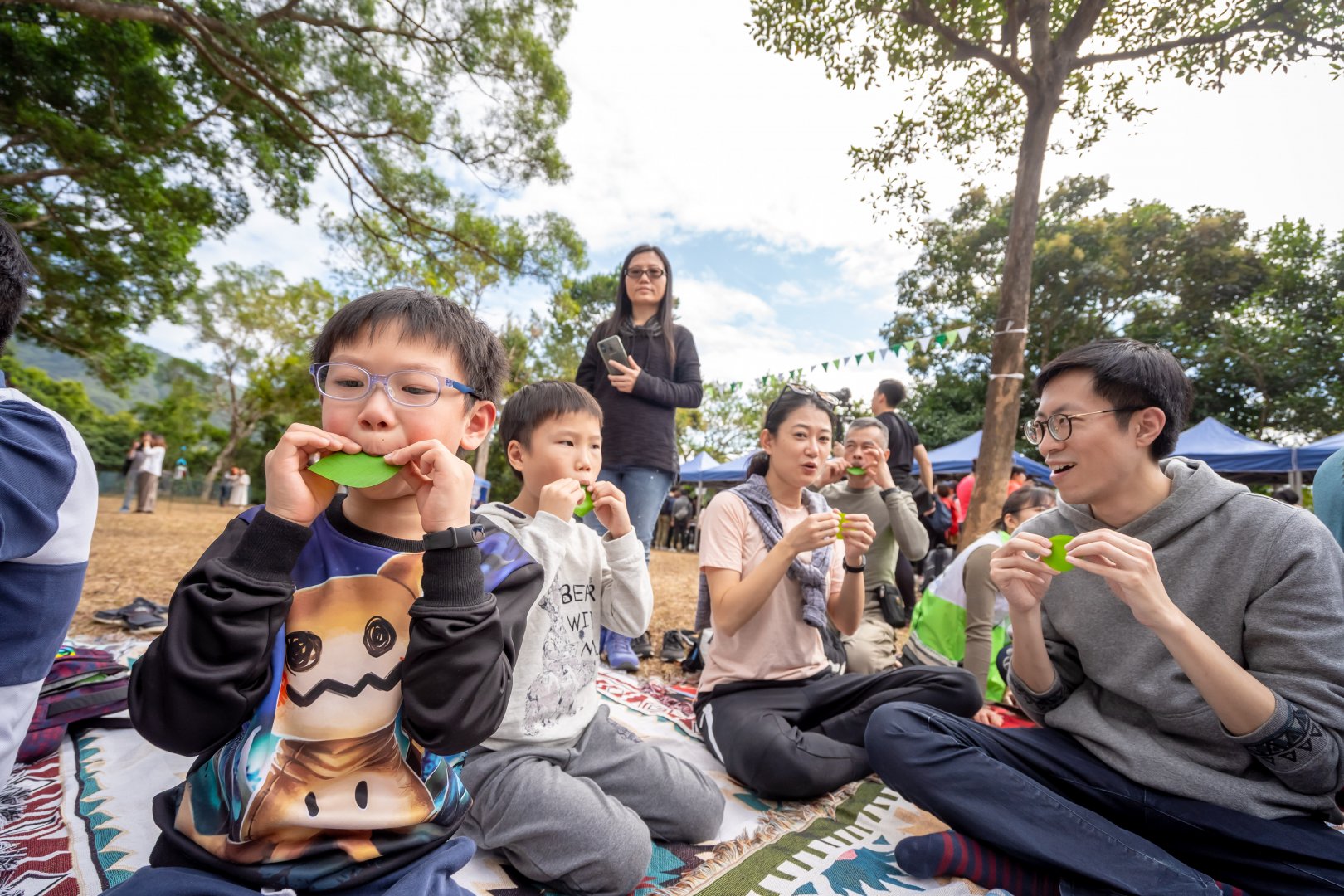
(Simple pleasures like turning a tree leaf into a musical instrument can bring smiles to all of us)
It’s important that everyone can have the opportunity to experience and learn about Hong Kong’s nature, whether it’s about native trees, migratory birds, how mangroves protect our coastlines or how our ancestors built ancient trails to get around. It’s when people can be present in nature, stand next to a tree, walk past a field where a buffalo is grazing, challenge themselves up a long flight of steps and see the skyline from high, feel the freedom of being on top of a mountain, or know what forms the rock we stand on, that a deeper connection is made to our environment. When that happens, we naturally feel a stronger desire to treasure it, to want to protect it.
Inclusive hiking is the deliberate effort to include and integrate groups of people or individuals with different backgrounds such that they feel accepted, welcomed and equally treated when being outdoors in nature. It is about making it possible for everyone in Hong Kong to experience and learn about our city’s wondrous natural beauty, regardless of who we are, where we live, what our socioeconomic status or ethnicity or gender or age or physical ability is.
Being inclusive in hiking is not simply about diversifying who accesses the trails and nature. We can also educate different groups about responsible hiking, principles such as Leave No Trace and what we can do to prevent its destruction. In doing so, not only can we enhance physical, mental and emotional health of people in Hong Kong, but we’ll also be able to educate about our natural legacy, foster a deeper appreciation for it, and involve diverse groups and amplify their voices in the protection of Hong Kong’s nature.

It is imperative that we do more to foster a culture of inclusive hiking. Ultimately, it is critical to healthy ecosystems and communities which will result in a more sustainable Hong Kong.
Further reading: The Trailblazer Project Phase 1 – Country Parks Usage and Well-being