A sustainable way of hiking
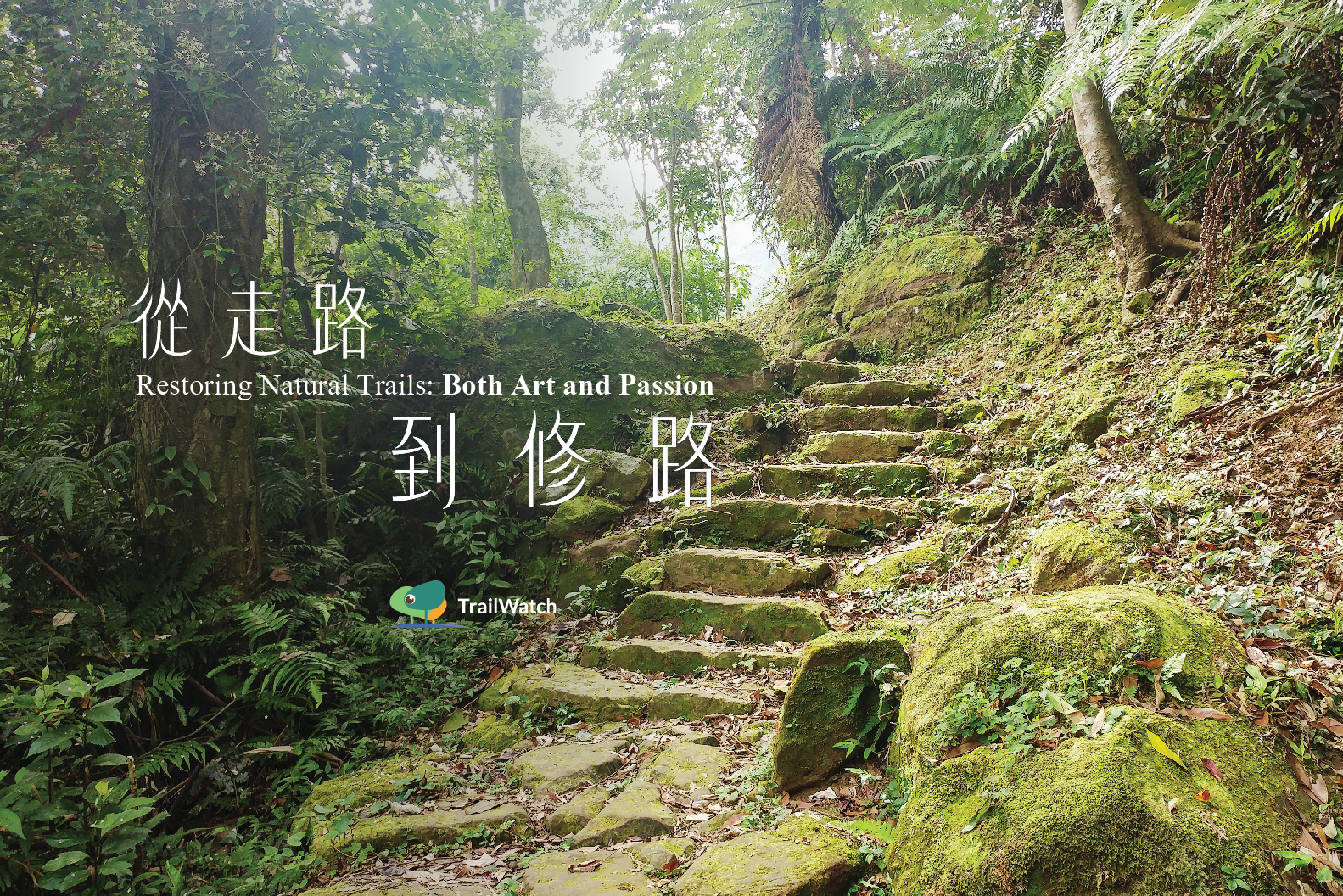
In 2019, The Green Earth hosted the first ever Hong Kong Trails Day, which included a series of workshops on sustainable trails. Liu Ka-shiang, an award-winning author and naturalist from Taiwan, was invited to impart his knowledge of how to apply different materials to restore trails in Hong Kong.
Liu, who had published the best-selling book, The 3/4 of Hong Kong 《四分之三的香港》in 2014 to document and share about his eight years of hiking experience in Hong Kong, and has also participated in many sustainable trail projects in both Hong Kong and Taiwan, is and was the ideal candidate to share about trail restoration in Hong Kong. He is truly passionate about nature and has a fondness for even the most minute details of rocks and trail conditions.
Breaking Rocks into Stones
“Inviting volunteers to restore the trails and expanding their knowledge is a way of sharing beliefs. Sometimes, we learn not only from books, but through sweaty experiences. By participating in eco-trails, people will naturally begin to further explore their own relationships with our land and environment.” ~ Liu Ka-shiang.
In sharing his experiences and expertise, Liu teaches us how to recognise which trails we walk on are trails that are built using sustainable materials found in situ. His book and writing teach us to appreciate and immerse in nature through vivid and intangible descriptions that expand beyond facts or routes or transportation.
After writing his book, The 3/4 of Hong Kong, Liu continued to participate in both the sustainable trail project in Hong Kong and learning to restore the Chashan Historic Trail in suburban Taipei. Consequently, he has developed extreme sensitivity to the condition of trails. Every trail can attract him to stay for a long time, and as time goes by, he has even developed a habit to crouch down and touch the rocks along on the trail when he visits a new place or trail.
In Hong Kong, he participated in workshops, broke rocks and moved logs in the country parks. He spent all day long with his buddies on a single step where most hikers would only spend a few seconds to walk pass. “The trail in Ma On Shan is full of granite which makes a harder surface, its condition is entirely different to that at Bridge’s Pool or Kau Tam Tso,” he explains.
“Fixing trails in Hong Kong requires me to relearn all the techniques that I had learnt for the sandstone trails in Taiwan because of the different geology.” As experienced as he is, Liu can still be stimulated participating in the same tiniest of works.
Taiwan Acacia: Connecting Hong Kong and Taiwan
In the 1970s, the Hong Kong Government massively planted three types of trees across country parks, one of them being the Taiwan Acacia. Liu accidentally discovered that both Hong Kong and Taiwan use this species as the material to build trails, “but the biggest difference is that Taiwan uses unwanted deadwoods, whereas Hong Kong uses what is blown down by typhoons, but which usually have barks and still look fine.”
In both Hong Kong and Taiwan, separated by a distance of over 800 kilometres, Liu never would have imagined he would be using the same type of tree, doing the same kind of work and still talking to the mountains.
The subheading of “The 3/4 of Hong Kong” is “hiking, walking through villages and encountering Fung Shui Woods.” If there is a book sequel, the subheading would be “moving logs, touching trails and breaking rocks.”
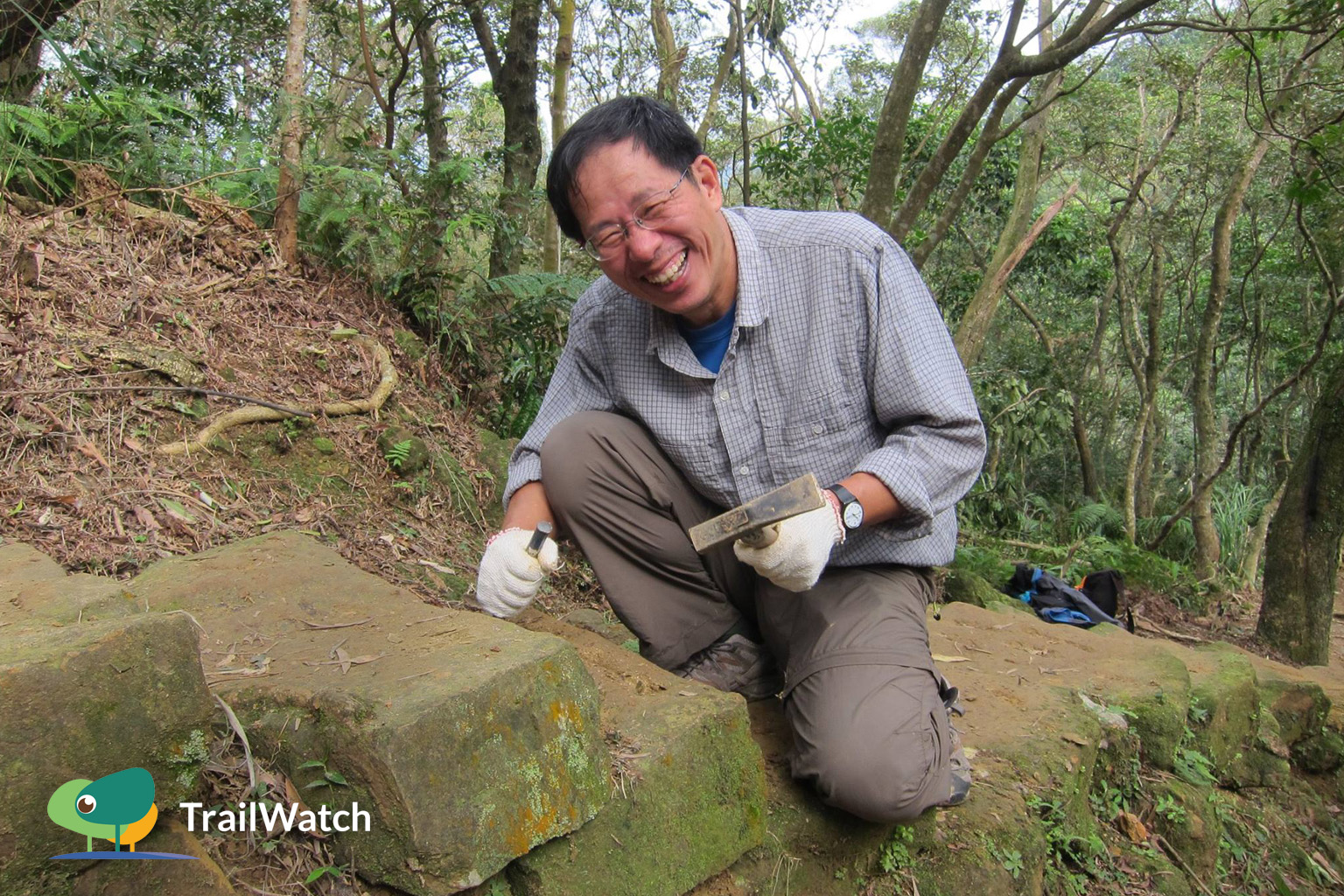
Chashan Historic Trail is in the countryside of Taipei, where Liu Ka-shiang has been hiking for almost 20 years. He described the trail as “a path to the Late Qing Dynasty” in one of his pieces (Photo provided by Wu, Yun-Tien).
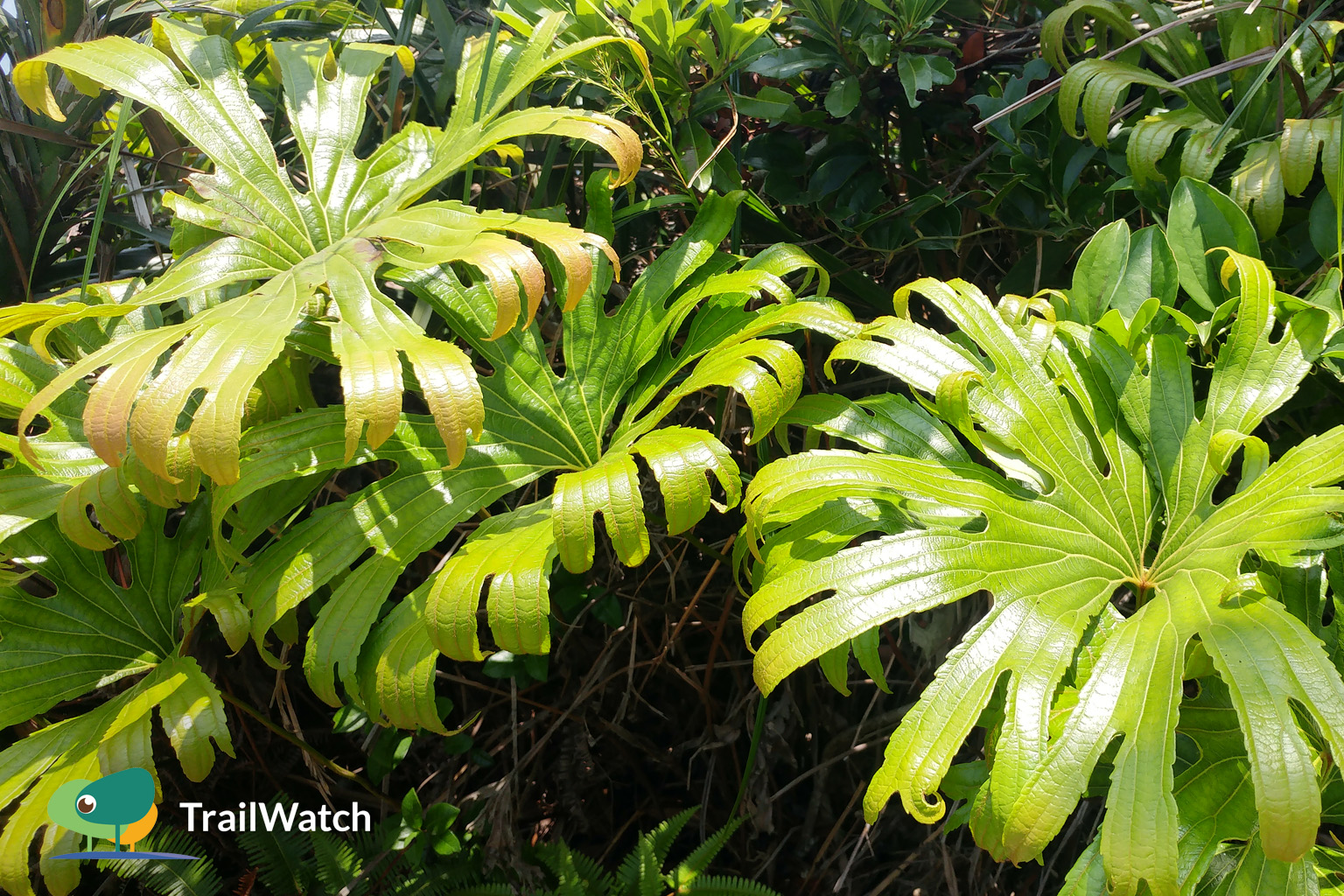
Coupled Dipteris from the era of dinosaurs found at the Chashan Historic Trail
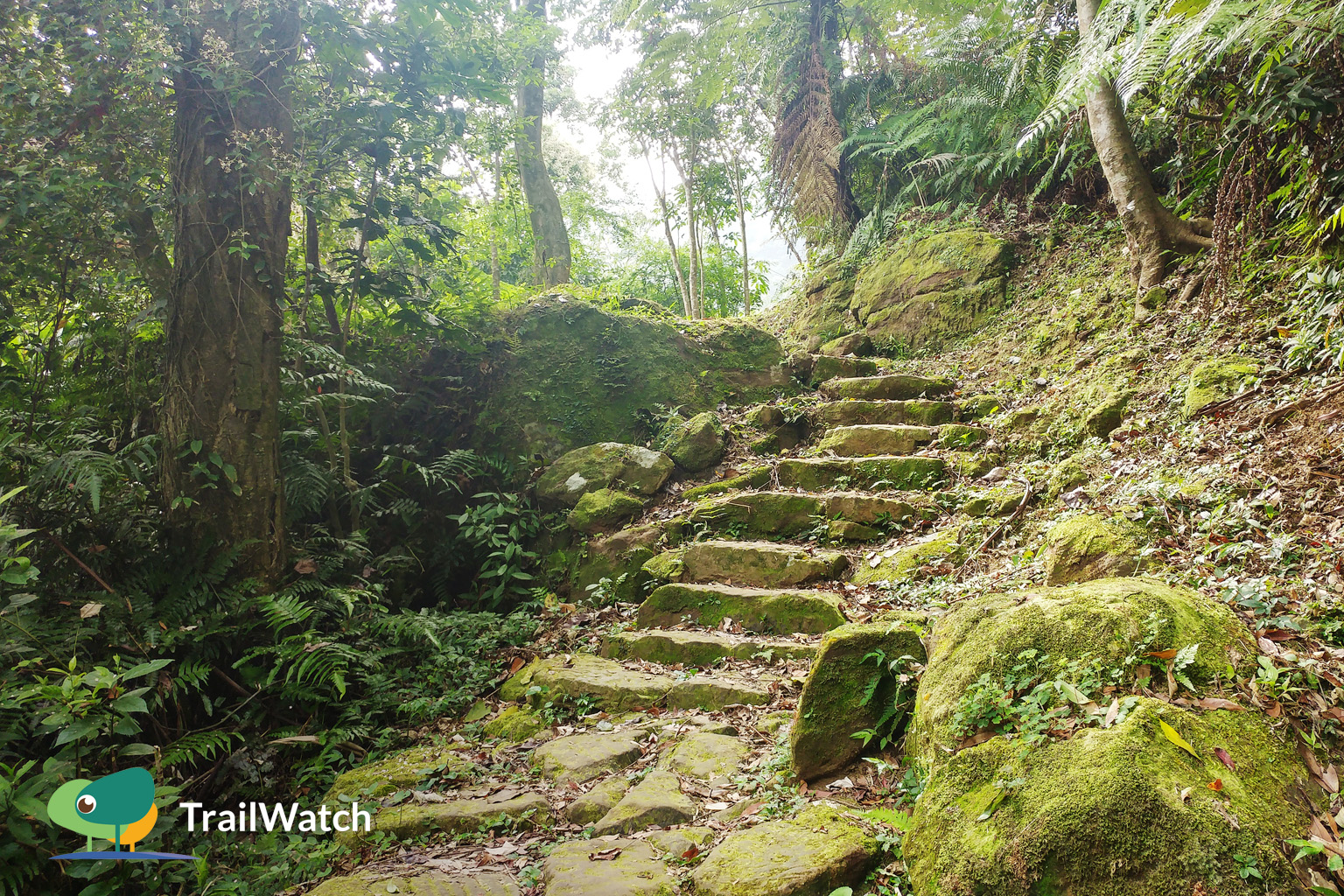
The Chashan Historic Trail
Further Reading (Chinese only):
1. 劉克襄:〈在郊野公園修路〉,《字花》No.84
2. 劉克襄:〈家山〉,《十五顆小行星 探險、漂泊與自然的相遇》