If fern was a person, s/he would be someone growing up brave and fearless, never afraid of diving into the unknown. 400 million years ago when the earth was covered by water, fern decided to emerge from water, becoming the first land plant. 50 million years later, they form forests that cover the whole Earth.
In Chinese mythology, when Pangu the creator of the world died, his body transformed into different elements of the world. His head became the mountains, his eyes became the Sun and Moon, his blood became the rivers and his hair became vegetation. Because ancient ferns are only a few centimetres long, the legend of Pangu helps us to guess that his hair was short.
Not Just Weeds and Foods, but the Invisible Seeds
Humans are so close yet also far away from ferns. You may have seen them on the dining table and eaten mochi made from fern starch. Or you may have seen some random weed-like plant growing in between the wall cracks of the streets near your home — these are actually all ferns when you look at them closely. Fern is like your neighbour who is always around but you don't have a chance to talk to.
This neighbour is slightly different. When we were children, the first lesson related to plants was often about beans. We observed the lifecycle of beans, such as sprouting and flowering; ferns, however, do not have flowers or seeds. “We have the receipt of fern seed, we walk invisible”, wrote Shakespeare.
No one knows if the invisible man exists, but the magical fern captured our curiosity and led us to find the founder of the online group – Hong Kong Friends of Ferns, Smith Wong.
Unexpected Passion, and Discovering the Enjoyment
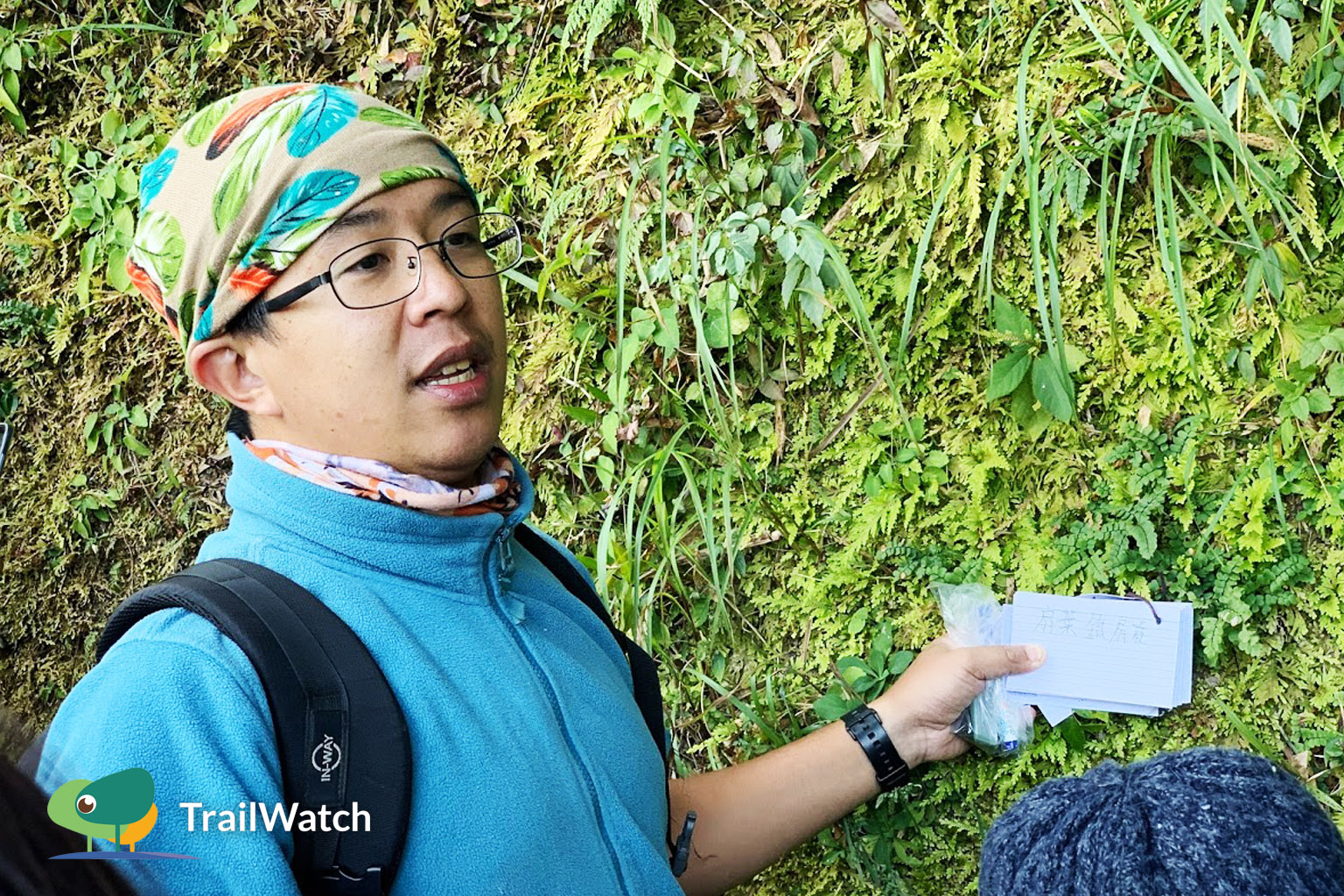
On a misty and windy morning, Smith led a group of 20 individuals for a guided tour about ferns. He has organized all the possible ferns that the group might find into his notepad and categorized them by genera and species to ease participants’ learning.
Smith recalls his first time “meeting” fern; vegetation has always been his interest. One time, in the pot of violets that he kept, he discovered a stranger… it was a fern! That was the beginning of how he came to be passionate about ferns. Because of his previous environmental job in Tai Po, Smith was able to look for all kinds of fern around Fung Yuen and Sha Lo Tung. He has not stopped since then, and even started to observe ferns by the stream near his home.
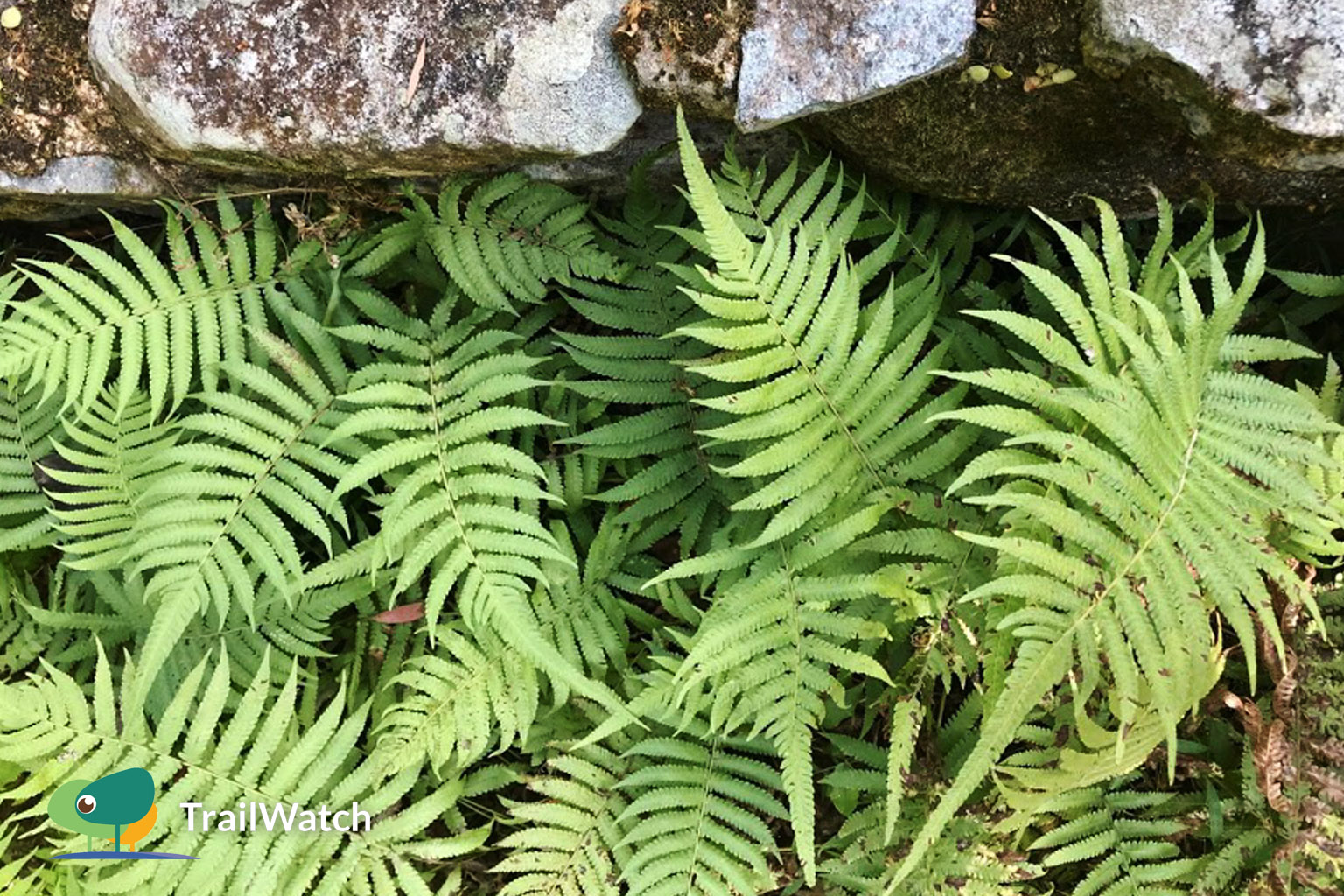
“Actually there is no need to go far, you can probably find them downstairs near your home. Ferns have tenacious vitality and they can root between concrete if there are sources of water”. Smith mentioned the wall of Maidenhair Fern at King’s Road in Fortress Hill as an example. “I will ask the participants to take photos of a whole lot of the same type of fern, it looks just like the desktop wallpaper! If he hadn’t mentioned it, we wouldn’t have realised that some preset and available desktop images that are photos fern.
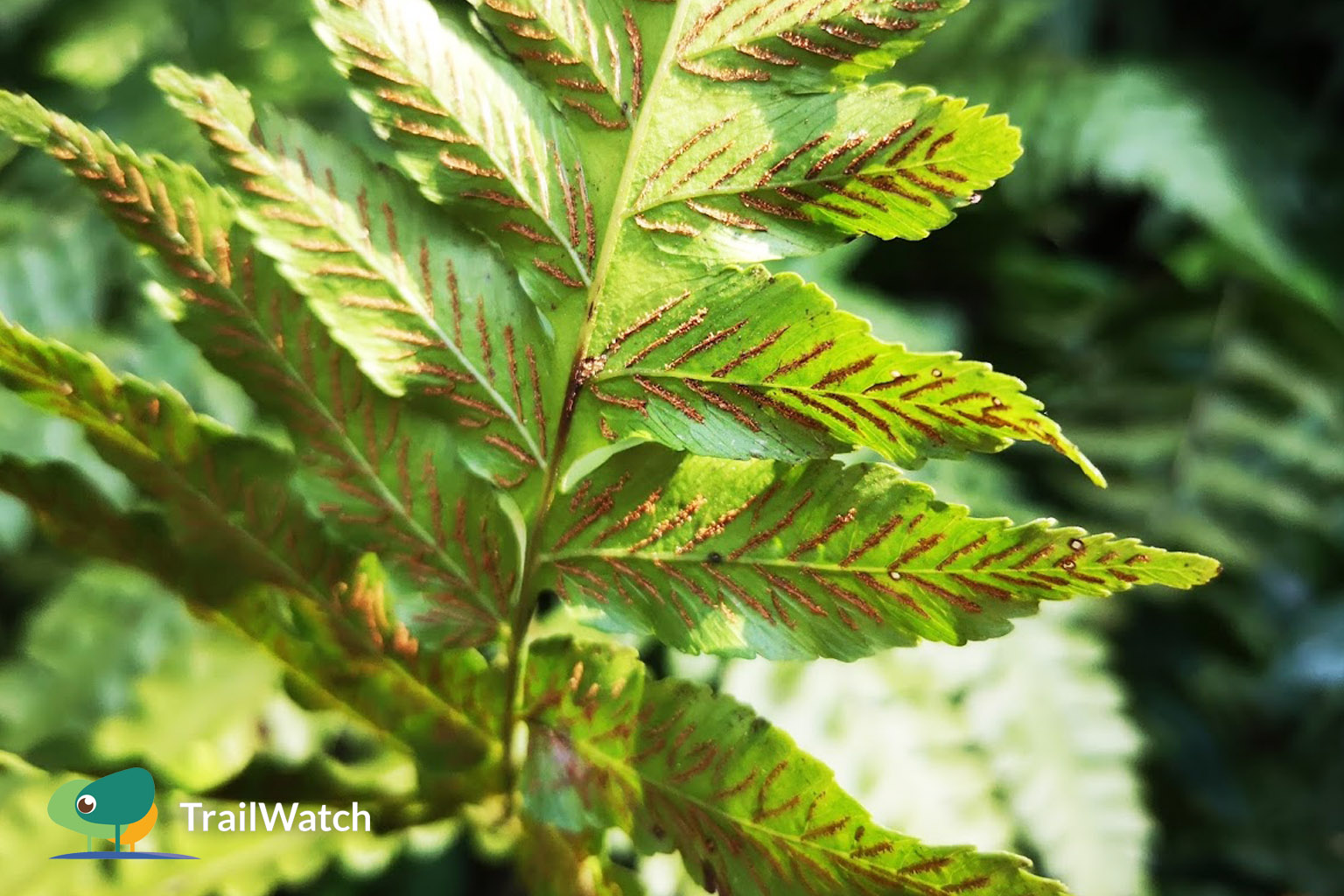
Smith had so many interesting and fun stories and descriptions about ferns that it took us three hours to finish the one kilometre journey on Lugard Road.People usually overlook those tiny ferns in a pile of weeds but Smith treated it as puzzle games. “We need to look at the leaves, its underneath, and the stalk, now try to feel the hairs… Can you see the spores? Ferns reproduce by them”.
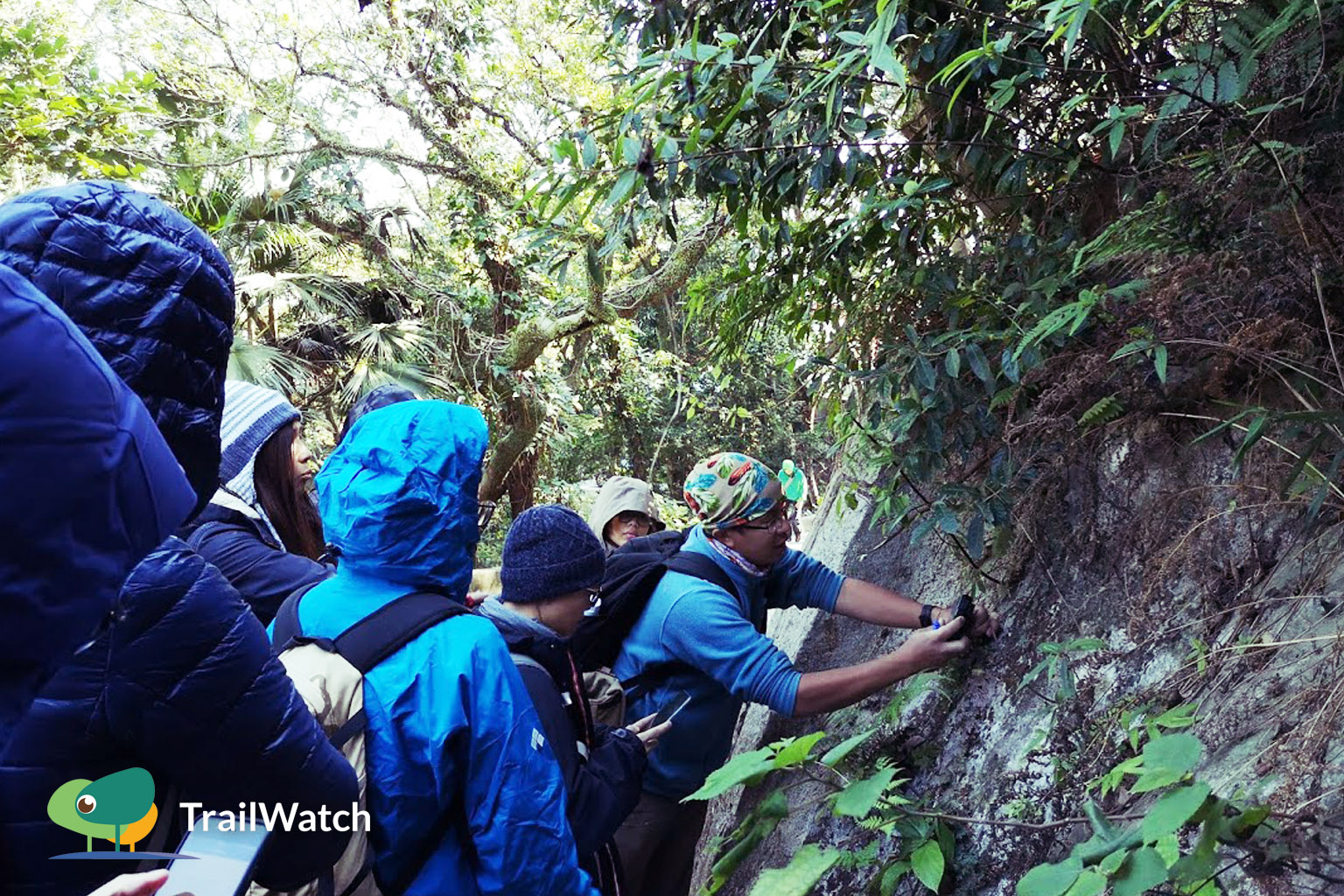
“Sometimes I stay at the same place for a very long time, and won’t venture more than a few kilometers, but I feel elated when I see a fern that I have never seen before!” Smith said there are 12,000 types of ferns and Hong Kong has over 239 records; some are even named after our mountains such as Diplazium maonense Ching (named after Ma On Shan) and Diplazium taimoshanensis (named after Tai Mo Shan). Counting the length of the hike or the number of climbed mountains might be the goal of some people, but for Smith, spending hours within a few hundred meters is enough. He puts down his backpack, takes photos, checks references and learns about every fern in detail. He is literally a “Friend of Ferns”.
Recommended Route for Ferns:
Fern Walk, Kadoorie Farm and Botanic Garden
Lugard Road, the Peak
Further Reading (Chinese only):
Flora Ngiana: Diplazium taimoshanensis, 2015
Guide of Ferns by C.M. Kuo, 2001