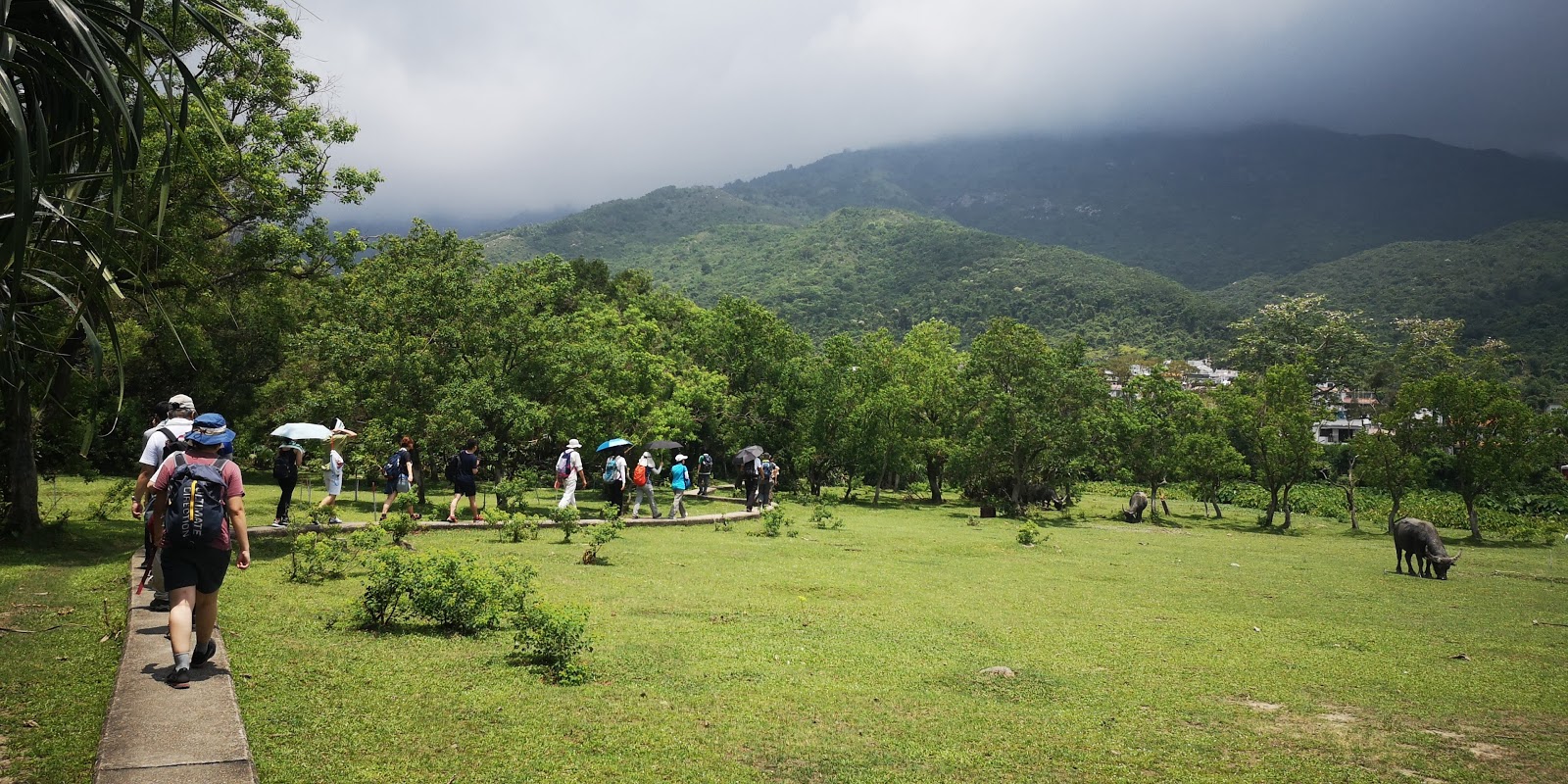
TrailWatch is always concern about environmental destruction in the country sides since we launched 5 years ago. We organised guided visits to Pui O since 2016 before the recent debate of the Tomorrow Lantau proposal, to understand the environmental impact due to development to our country side. Pui O, located in southern Lantau, highlighted the controversies of the proposal of “Development in the North and Conservation for the South", participants of the guided tour learned about wetland ecology and conservation and witness the damage caused by development.
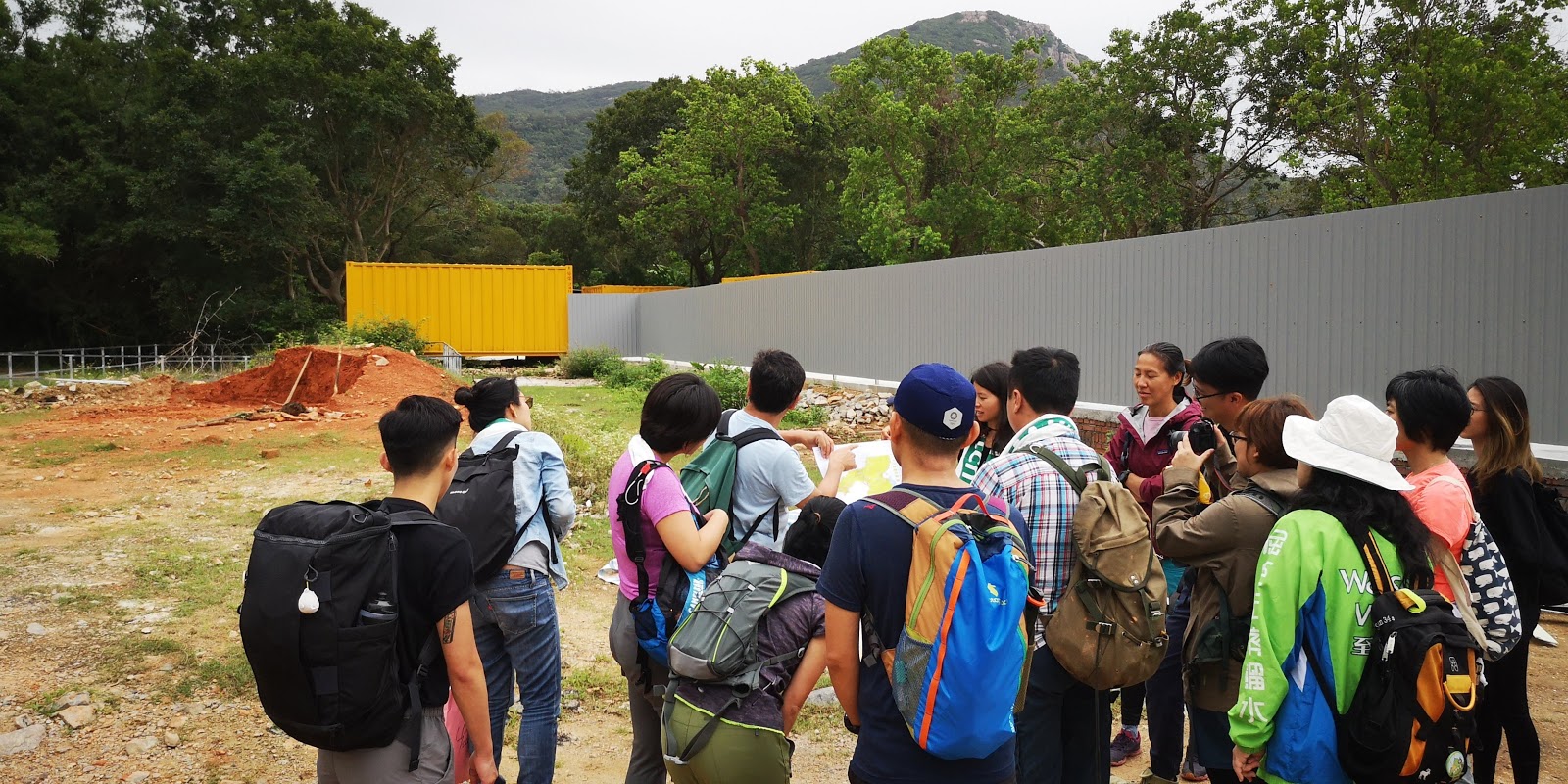
Under the Lantau Tomorrow Vision, a series of development project is proposed by the government. Apart from the costly HK$1,000 billion reclamation, other associated infrastructural works are also worthy of our attention for the potential ecological impact. TrailWatch took this opportunity and collaborated with Save Lantau Alliance and WWF-Hong Kong to further encourage public discussion, two guided tours were organized in Pui O in mid- to late-May.
Why Pui O?
Many hikers have passed through Pui O as it is the transition point of stage 11 and 12 of the Lantau Trail. Pui O is also famous for its designated campsite on the beach which is also a popular destination for beach goers with many water activities all year round.
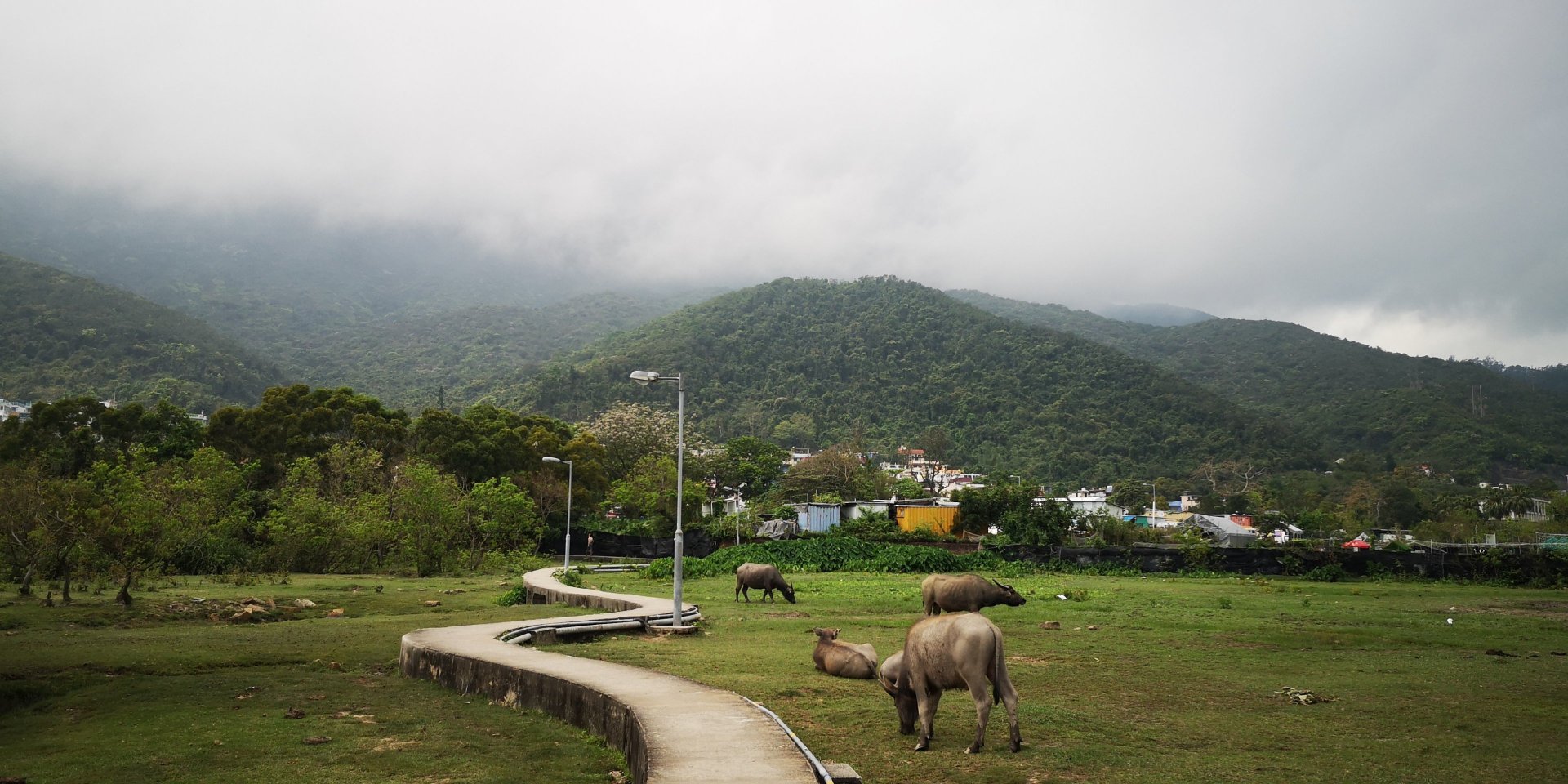
Pui O is formerly named Lo Pui O in the Qing dynasty. Villagers made their living by paddy farming, hence many buffaloes and cattle egrets are settled in the area until now. One can also find wetlands, fung shui woodlands and valuable plants species such as the endangered Incense Trees in Pui O.
Eco-vandalism
According to our record since 2016, the environmental problems in Pui O worsen every year. The developments in Lantau is creating enormous amount of construction wastes and majority of them is improperly disposed of in the coastal protection area of Pui O which is of high ecological importance. Due to the loopholes of existing regulations, the situation cannot be effectively regulated. Without reviewing the current policies, "Development in the North and Conservation for the South" is nothing but an empty promise of the government.
Feeding of Wild Animals and Ecology
Pui O beach is frequent by cows inhabited in the area and they are used to close contact with the beach-goers. Over time, due to active feeding by humans, many of the cows developed the habit to search for food from the tents of the holiday-makers. In Autumn 2018, the well-known “Billy the Pui O cow” has died from intestinal obstruction. The autopsy from Agriculture, Fisheries and Conservation Department has found the equivalent of two big bin bags of plastic in Billy’s stomach. Irresponsible human behaviours including overconsumption and improper disposal of plastic bags has negatively impacted the natural environment and its inhabitants.
The Days after Lantau Tomorrow
The environmental changes in Pui O over the past years can be tracked by revisiting the records of TrailWatch. Witnessing the damage to the environment in Pui O in the name of “Conservation for the South” for development, what lessons can we draw from this to avoid environmental destruction caused by the Lantau Tomorrow project?
Records of Pui O Visits on TrailWatch
Further Readings:
1.SCMP: After death of Billy the Pui O cow are hikers doing enough to cut out plastic pollution in Hong Kong’s country parks?
2.Civil Engineering and Development Department: Lantau Tomorrow Vision