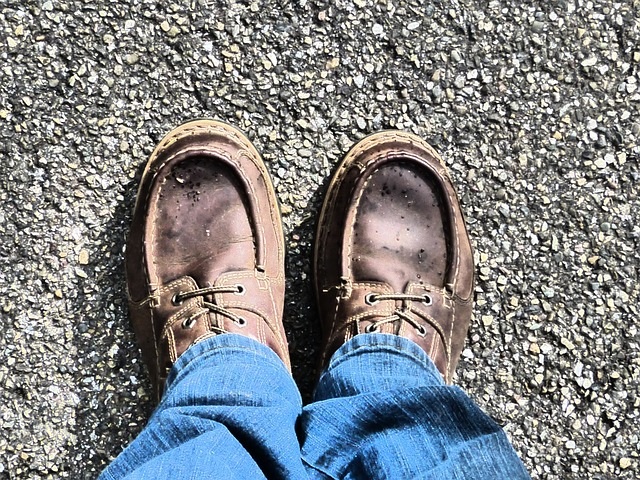
Blisters occur not only after a long hiking trip. You can get a blister after just an ordinary walk.
A blister helps protect the new-grown skin underneath, while at the same time makes it so painful as you walk. The pain will significantly level up after it breaks. With the outer layer of skin torn, body fluid gone, such wound becomes a hot spot for bacterial infection.
Though most blisters heal on their own, but it is always wise to take immediate treatment. Washing gently, applying anti-infection remedy, and wrapping with bandaid or bandage, are essential steps. Do not penetrate through the outer layer of the skin to drain the blister, unless it festers or is large and painful. It is necessary to go see a doctor if a blister is large, infected, or caused by sunburn or burn of any types.
But if you are to drain a blister, follow the steps below:
- wipe a needle or straight pin with rubbing alcohol.
- Gently puncture the edge of the blister.
- Press the fluid in the blister toward the hole so it can drain out.
Do not drain a blister of any size if you have a condition such as diabetes, HIV, cancer, or heart disease, because of the risk of infection. Also not to do so if you think your blister is from a contagious disease, such as chickenpox, because the virus can be spread to another person.
If a blister has torn open, or after you have drained a blister, wash the area with soap and water. Do not use alcohol, iodine, or any other cleanser. Don't remove the flap of skin over a blister unless it's very dirty or torn or there is pus under it. Gently smooth the flap over the tender skin. Apply an antibiotic ointment and a clean bandage. If the skin under the bandage begins to itch or a rash develops, stop using the ointment. Change the bandage once a day or anytime it gets wet or dirty. Remove it at night to let the area dry.
As humidity strengthens fiction, keeping feet dry helps prevent blisters. Also, putting on thick socks and well-fitted shoes can stop feet from rubbing inside the shoes, and therefore reduce chances of getting blisters.