The aesthetics of Hong Kong’s country parks (excerpt)
A seminar by Liu Ka-shiang
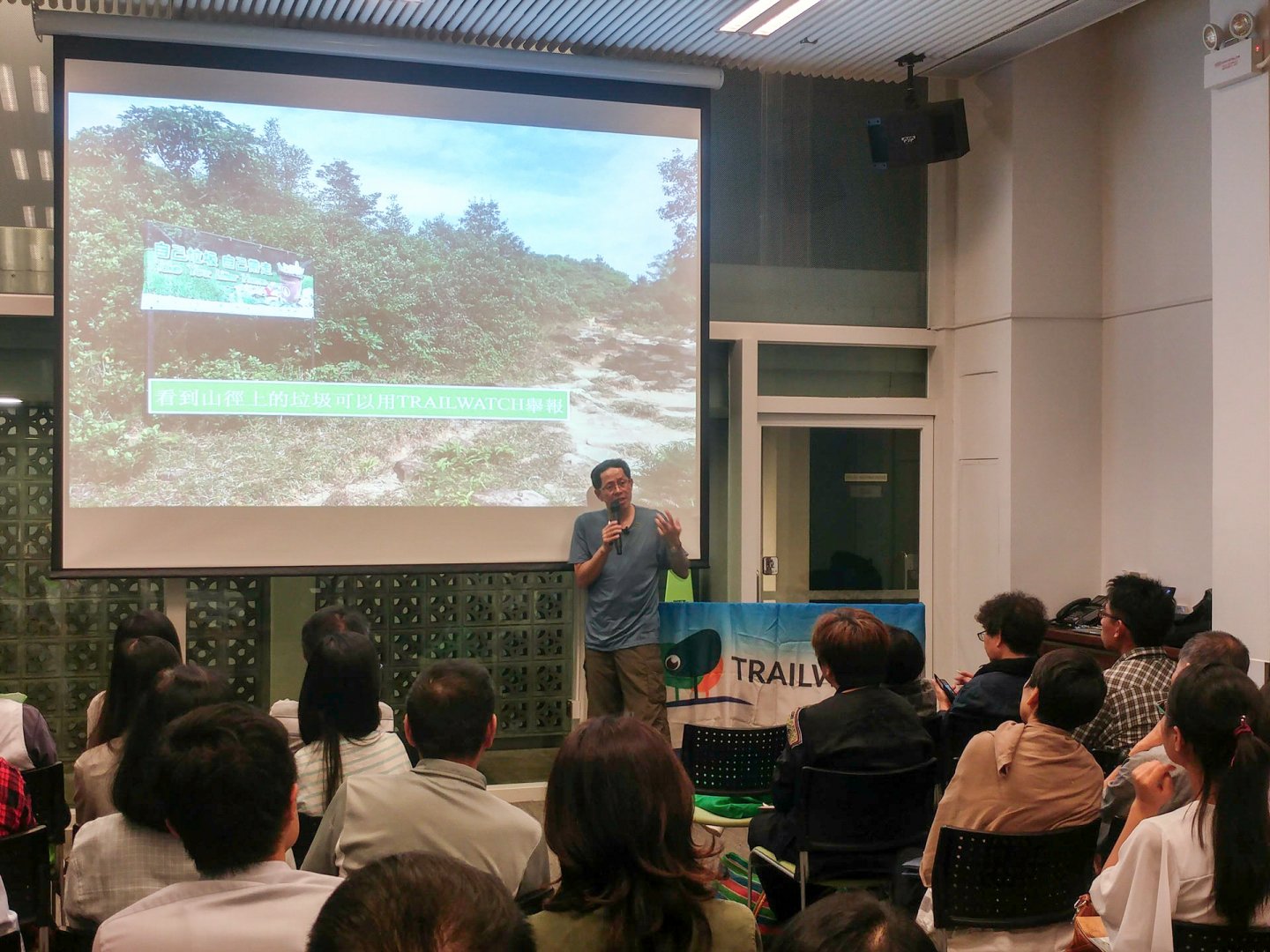
Renowned Taiwanese writer, nature observer and veteran journalist Liu Ka-shiang spoke at a seminar co-organized by Trailwatch and the Green Earth, comparing the trails of Hong Kong, Taipei and Shenzhen whilst highlighting the beauty of the Hong Kong countryside.
According to Liu, something worth highlighting about Hong Kong’s country parks are the way nature trails are planned and constructed. This is not easily replicated for example by building a nice toilet next to the start of the trail, as there are many minute details that he highlighted at the talk.
1. The Start of the Trail
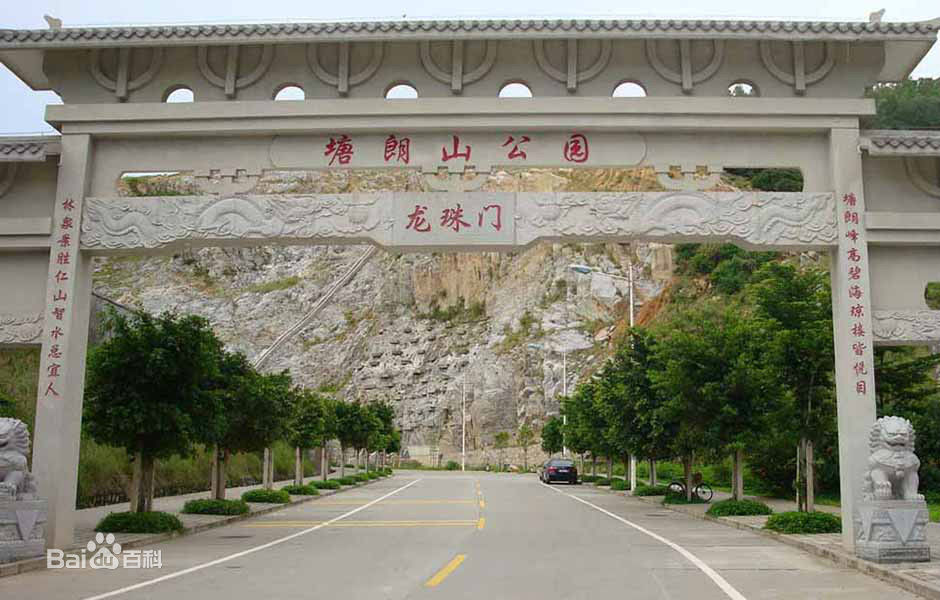
Tanglangshan Country Park (Photo credit: Baidu)
Strolling from the east to the west of the Tanglangshan Country Park takes approximately 4 to 5 hours. About 2000 years ago, China’s Buddhists or Taoists had temples up in the mountain and in the hope of attracting more visitors, the temple would place an ‘entrance’ so you would know you should enter there. The doors generally had an ancient air about them, and one would enter, hike up the stairs and worship there.
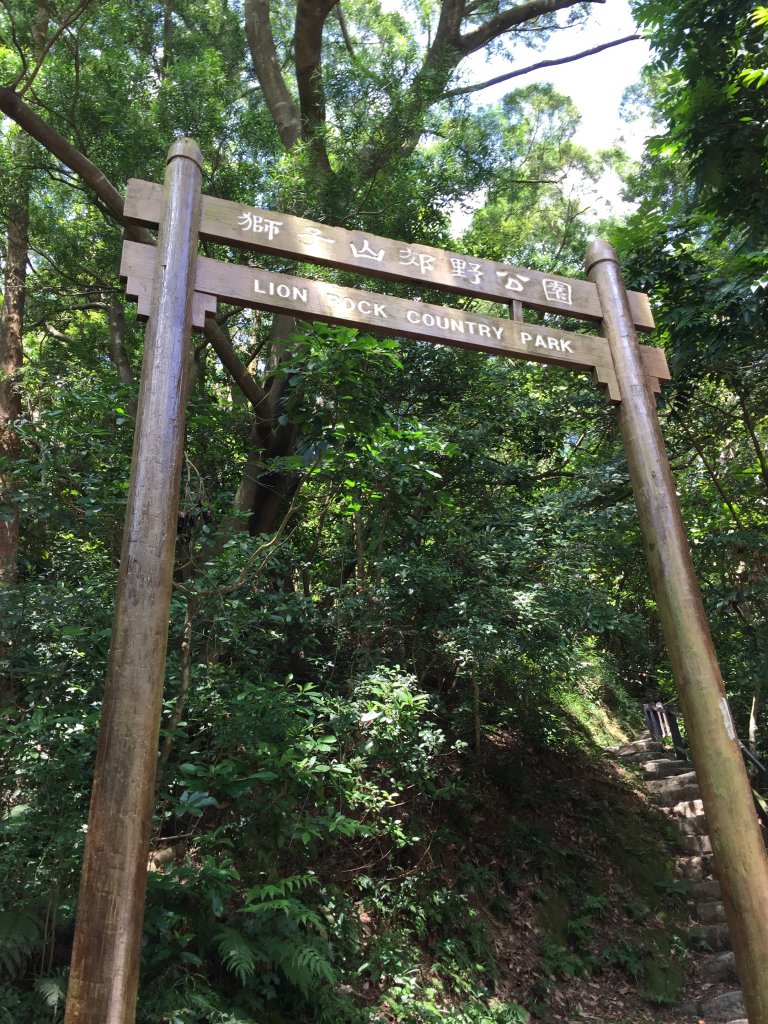
The start of the trail in Hong Kong is comparatively plain, and in fact looks far too simplistic, however later in fact you come to the realisation that it took the planners a lot of courage to keep things simple. This is the beauty of it and its something Shenzhen will never learn from. This sort of ‘entry point’ cannot be seen in either Shenzhen or in Taiwan and is a point of cultural interest.
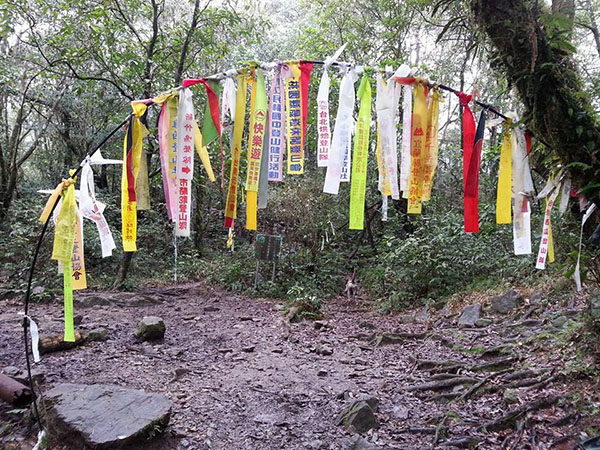
The start of Taiwan’s trails are in fact very similar to those on the Mainland, the other interesting point is the love for using trail markers made of cloth strips.
2. The Peak
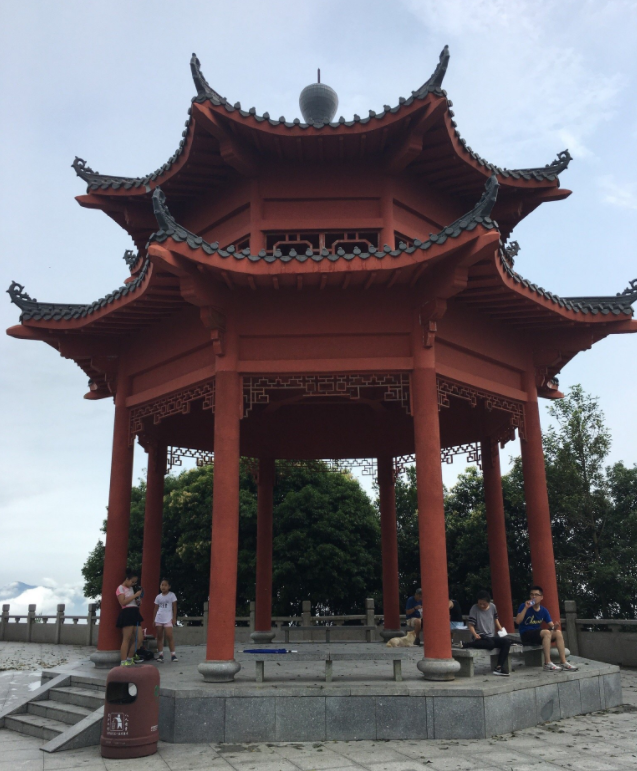 (Tanglangshan, Photo Credit: TripAdvisor)
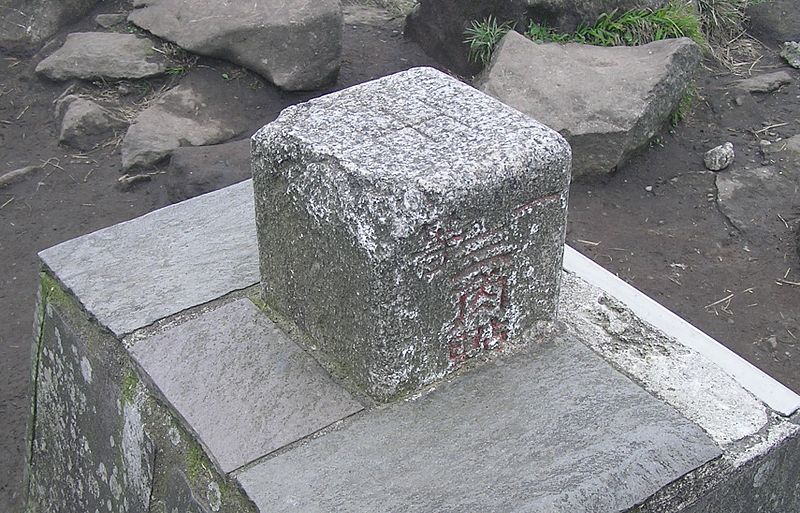 (Taiwan,Photo Credit : Wikipedia)
Up the top of a mountain in Shenzhen there would usually either be a pagoda constructed on it or else it would be full of people. As a result of Japanese occupation, there would be granite columns carved with the words Taiwan on it, not quite similar to that of Hong Kong. Only an eighth of it is visible and the granite is made from Shodoshima, Japan. It was specifically used for land surveying purposes but now has become a work of art. In a way this illustrates the power of the colonial government, even when you go to the highest point it is still marked by their work.
3. Route markers
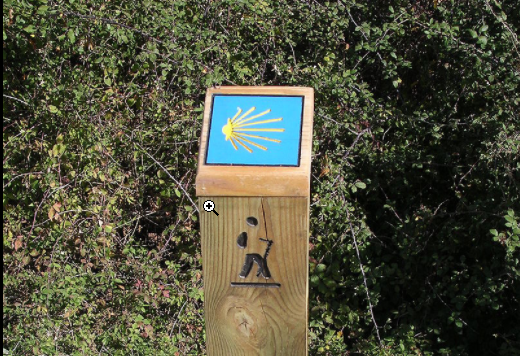
(Camino de santiago,Photo credit: Wikipedia)
The route markers in Camino de Santiago are symobolized by routes in the shape of a shell and the markings are not consistent, but each one leads back to the same point. Once you see these markers you know you are on the right track.
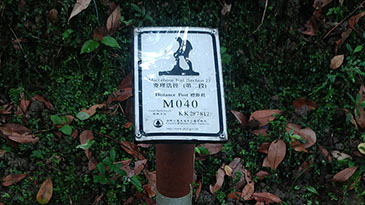
The logo of the Maclehose Trail a trail named in honour of Sir Crawford Murray Maclehose himself, is simplistic and clean. The logo is symbolised by the silhouette of a backpacker with one leg resting on a rock and the hands rested on the knee and looking afar. It also carries a subliminal meaning, when you hike the HK trails, all you need are a pair of shorts, hiking boots and a simple backpack and you’re on your way. In a way, it is very similar to the Spanish version in terms of vision. Shenzhen was to an extent also inspired by the Hong Kong version, but the logo was slightly too contemporary, with a walking stick that was slightly too long, a hiking bag and a slightly strange hiking posture. At the end of the day, the marker of a trail is equally important.