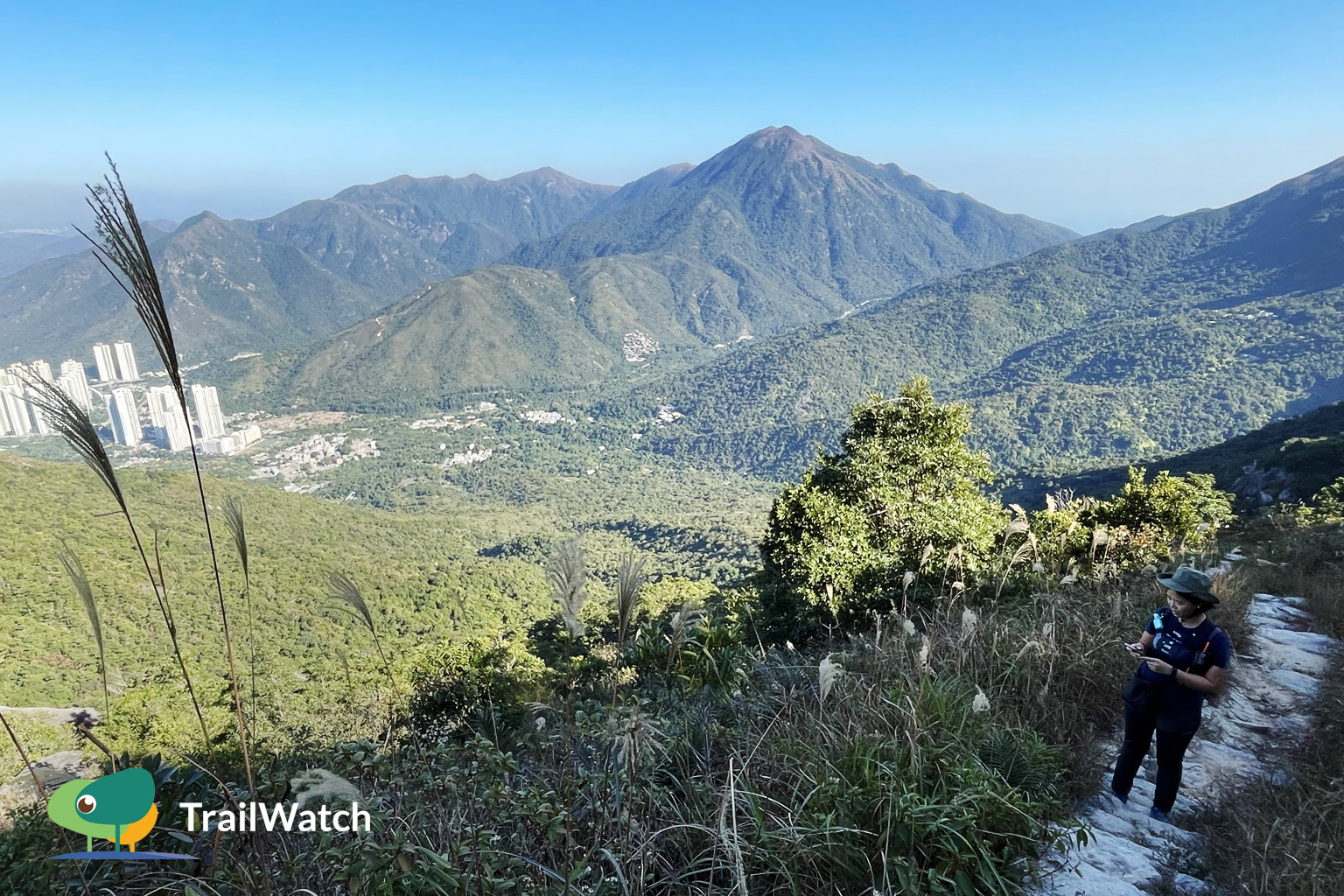
In the last two years, the pandemic has stopped Hong Kong people from flying to popular destinations such as Japan and Korea. All of a sudden, everyone became a holiday hiking hipster, sharing their experience of country park hikes on social media. Because of this trend, an allocation of HK$550 million was made from the government’s budget to improve country parks. Hikers who have been concerned about development of the country parks worry if certain collaborative projects – created by the Agriculture, Fisheries and Conservation Department (AFCD) and Hong Kong Tourism Board – will be able to maintain parks’ natural state or continue in a sustainable manner.
Renovation of Nature Centre – Rental of maps and hiking poles provided
Last November, the renovation of Ngong Ping Nature Centre on Lantau Island had come to an end. This Nature Centre differs from the regular country park visitor centres, as it is a collaboration with the Hong Kong Tourism Board, and provides natural scenery tours in three languages and the rental of hiking poles and maps. We paid a visit and found that outside the centre, there are no notices about the services provided. Inside, the history and eco-environment of Lantau Island are displayed with interactive electronic installations. Only after our enquiry, were we told that the maps for rental are countryside maps provided by the Lands Department.
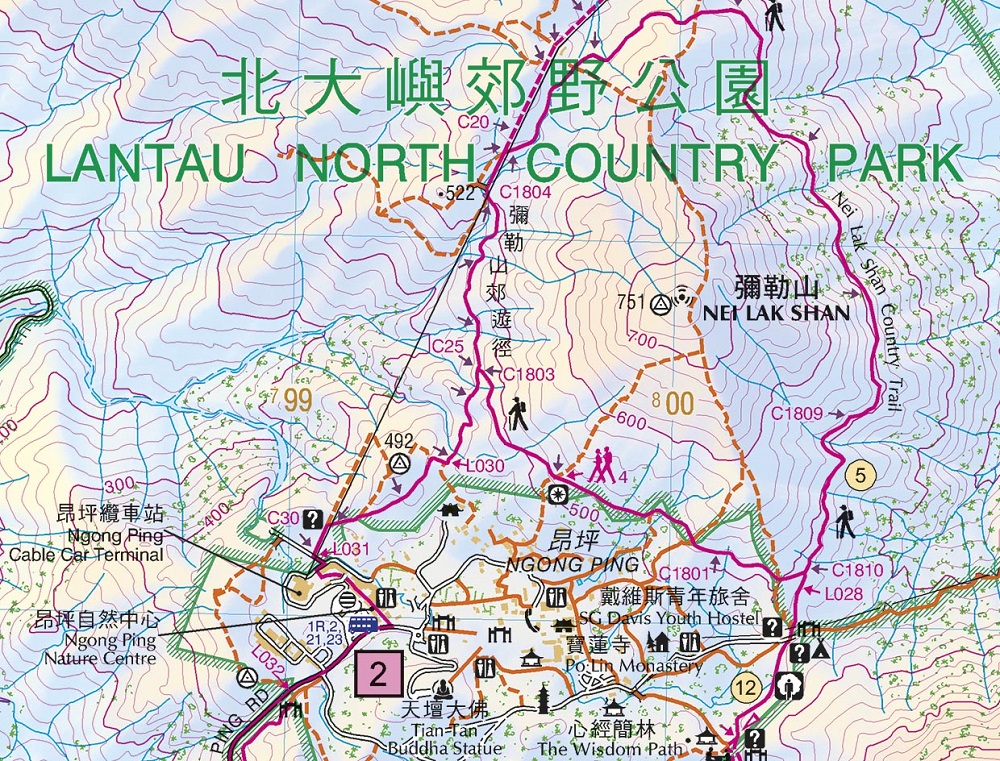
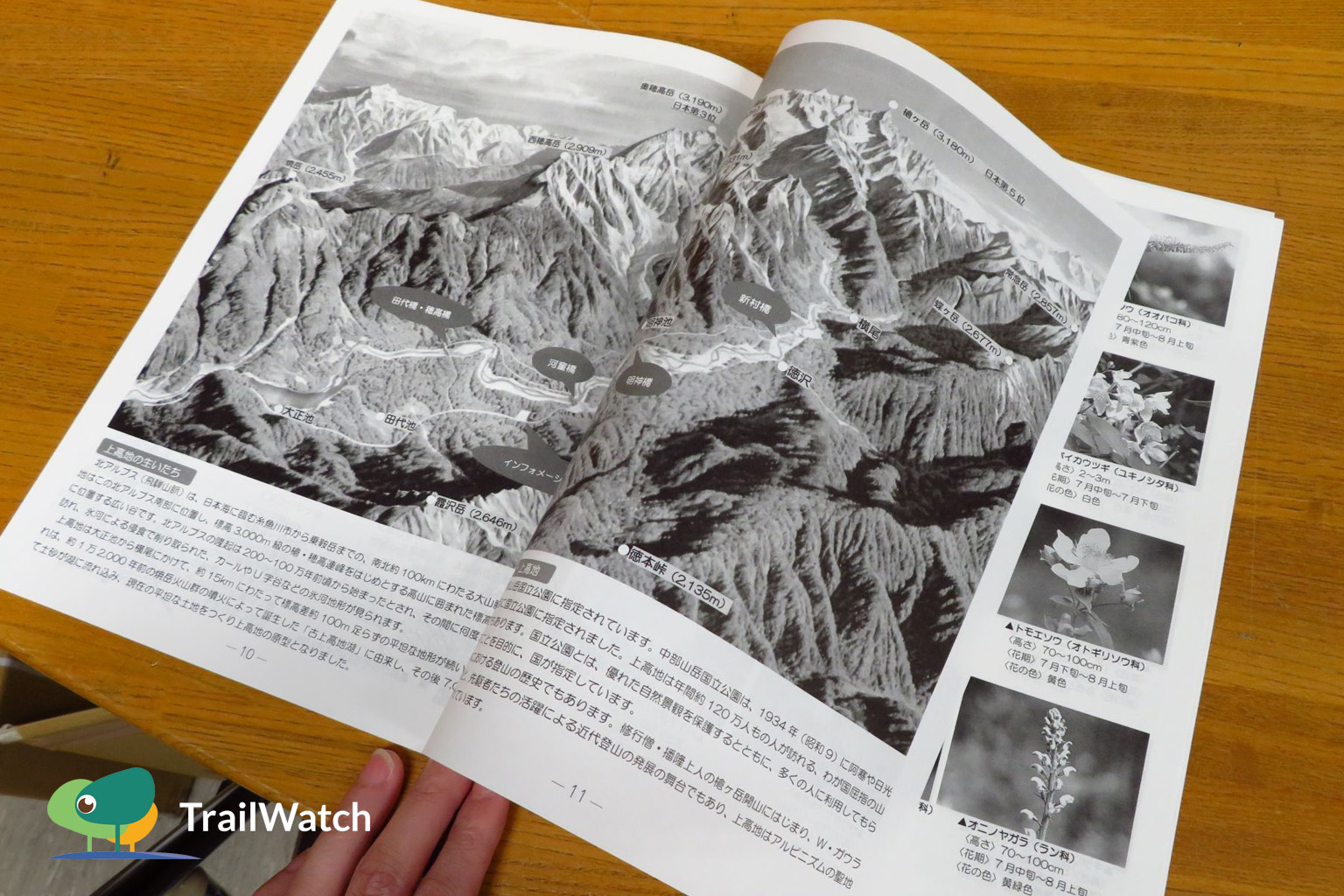
Compared with similar hiking visitor centres in other countries, such as the one at “Japan's Alps” Kamikochi, the map provided focuses on the visitor centre as its centre point, introducing the eco-environment, routes, sceneries around the centre and suggesting a few possible routes for the visitor's reference. After the comparison, the current countryside maps provided by the Lands Department only show Ngong Ping's location as a size smaller than a hand palm, the graphics are unattractive, and it is hard to understand what makes Ngong Ping an attractive visit. It is obvious there is still room for improvement in the details.
Lookout points with million-dollar benches
Better solutions may be found in countryside “Design for all” concepts
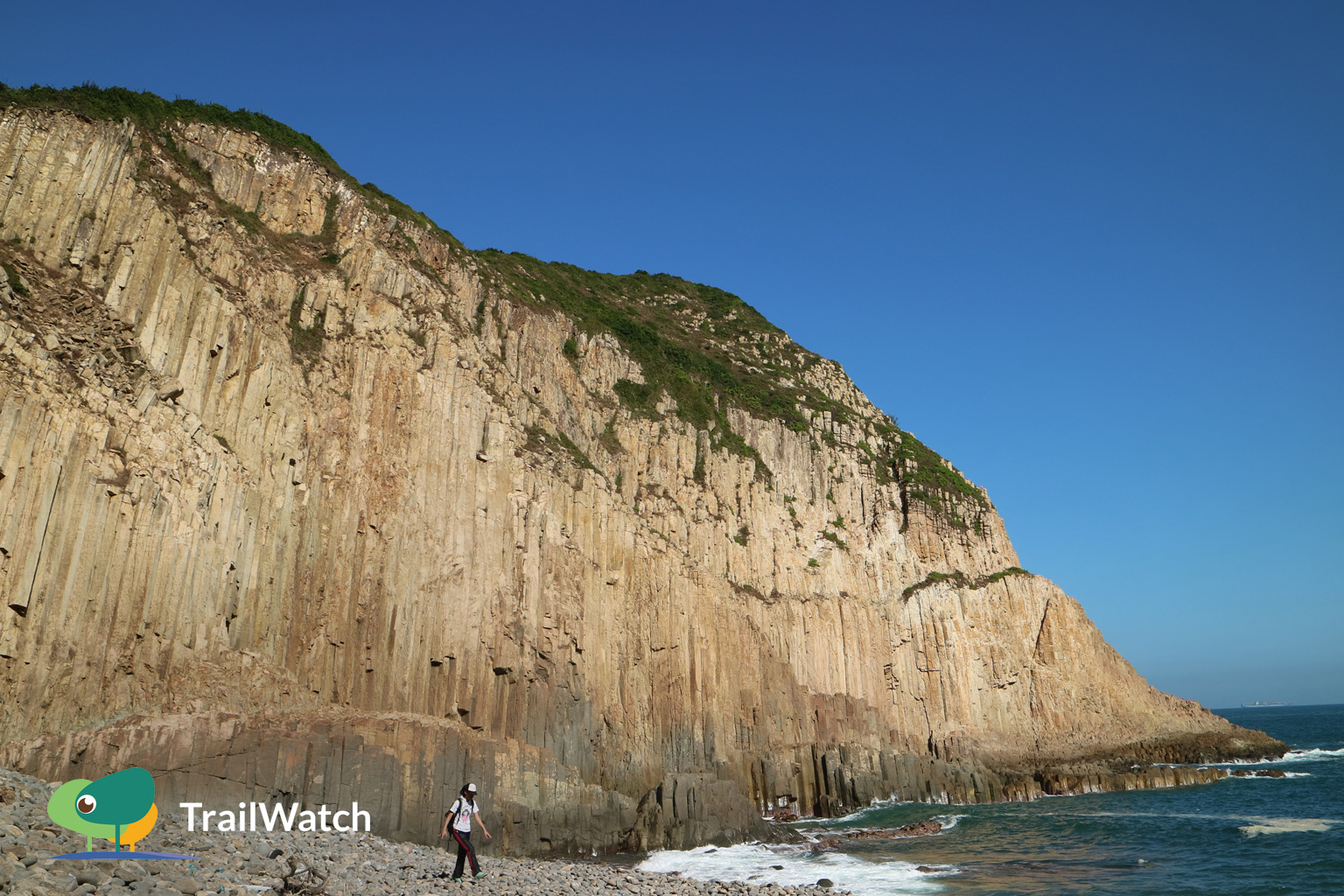
As for the projects in progress, AFCD has stated that they are “providing recreational elements like additional lookout points, treetop adventure and glamping sites” and will “reconstruct the barbecue and picnic facilities in Aberdeen Country Park to increase facilities for the use of people of different ages and people with disabilities”.
Looking at recent projects such as the stargazing facilities in San Wan, the viewing platform at Po Pin Chau and other facilities that have aroused discussion in society, most people agree that they are unappealing. Many hikers have expressed that stargazing facilities only require a field of well-maintained grassland and not a million-dollar, ergonomically-designed bench only having the capacity of 30 people. Rather than wasting millions on building humongous facilities that lack actual usage, it would be wiser to focus on a “Design for all” tactic that draws concepts from details.
“Design for all” was popularised by American designers in 1980. It emphasises designing products and built environments in ways that can be widely used by everyone, irrespective of their age, ability, or status in life. Relevant government departments in America had published guidelines on accessibility for outdoor hiking trails. Many hiking spots in foreign countries have provided trails with different conditions for visitors to choose from.
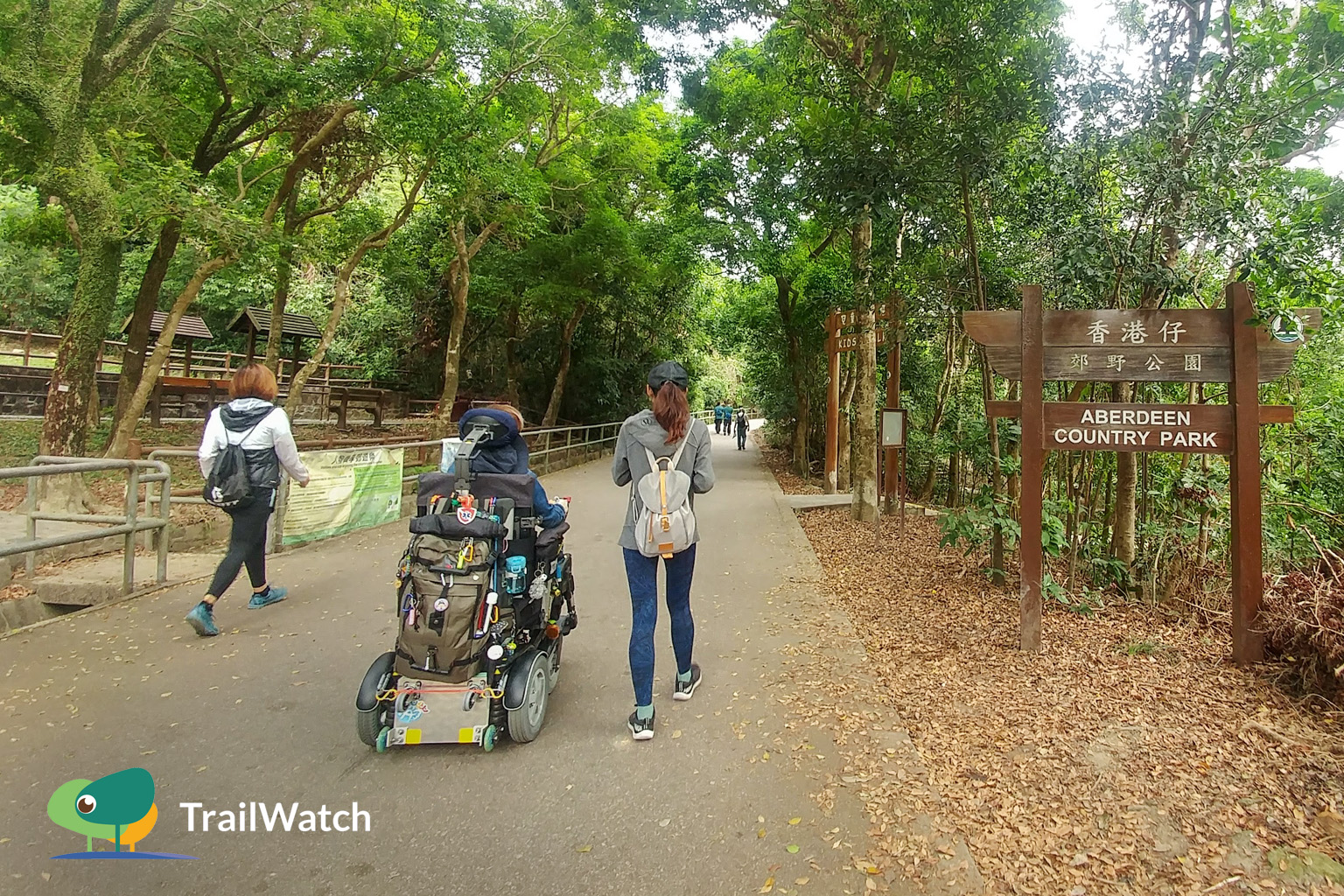
If we take the soon-to-be reconstructed Aberdeen Country Park as an example, there is a PHAB site, wheelchair path and accessible toilets. The current design is made under the standards developed in 1970. The toilet doors are not wider than 80cm, the door’s material is too heavy and the roads are uneven. The wheelchair path and regular trails are deliberately divided. Wheelchair paths are only 1.2 kilometres long and have no scenery at all.
According to TrailWatch and the Accessible Trail Explorers team’s trials, the regular trails at Aberdeen Reservoir can also benefit wheelchair users; there is no need to divide the two. If the toilet facilities can be improved with “Design for all” concepts, then all users can be accommodated and enjoy the country park together.
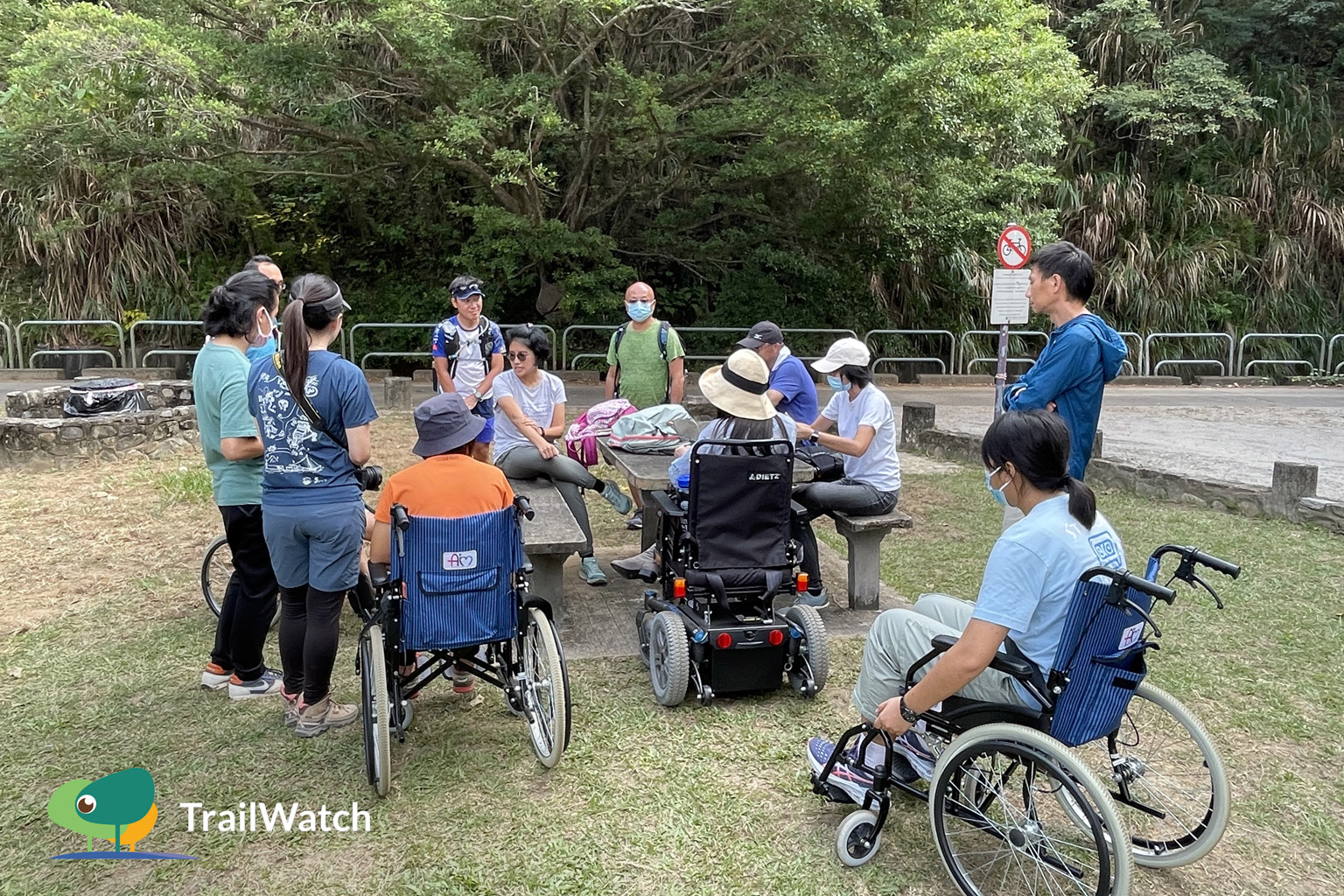
Even if AFCD renovates facilities with the “Design for all” concept in mind, it is more important that they encourage people of different physical conditions to utilise the country parks. TrailWatch piloted the “Accessible Trail Explorers Team” event last November and invited the general public to participate while trying to participate from the perspective of wheelchair users. Combined with the sharing of the Accessible Trail Explorers team’s experiences in the last few years, hikers can grasp a better idea of how people of different physical conditions can enjoy nature. The general public can also have a better understanding of how the natural environment is beneficial for the whole society.
1. Ngong Ping Nature Centre reopens after renovation (with photos)