Text & Photos: Yeungs, Project-in-charge of My Nature Diary
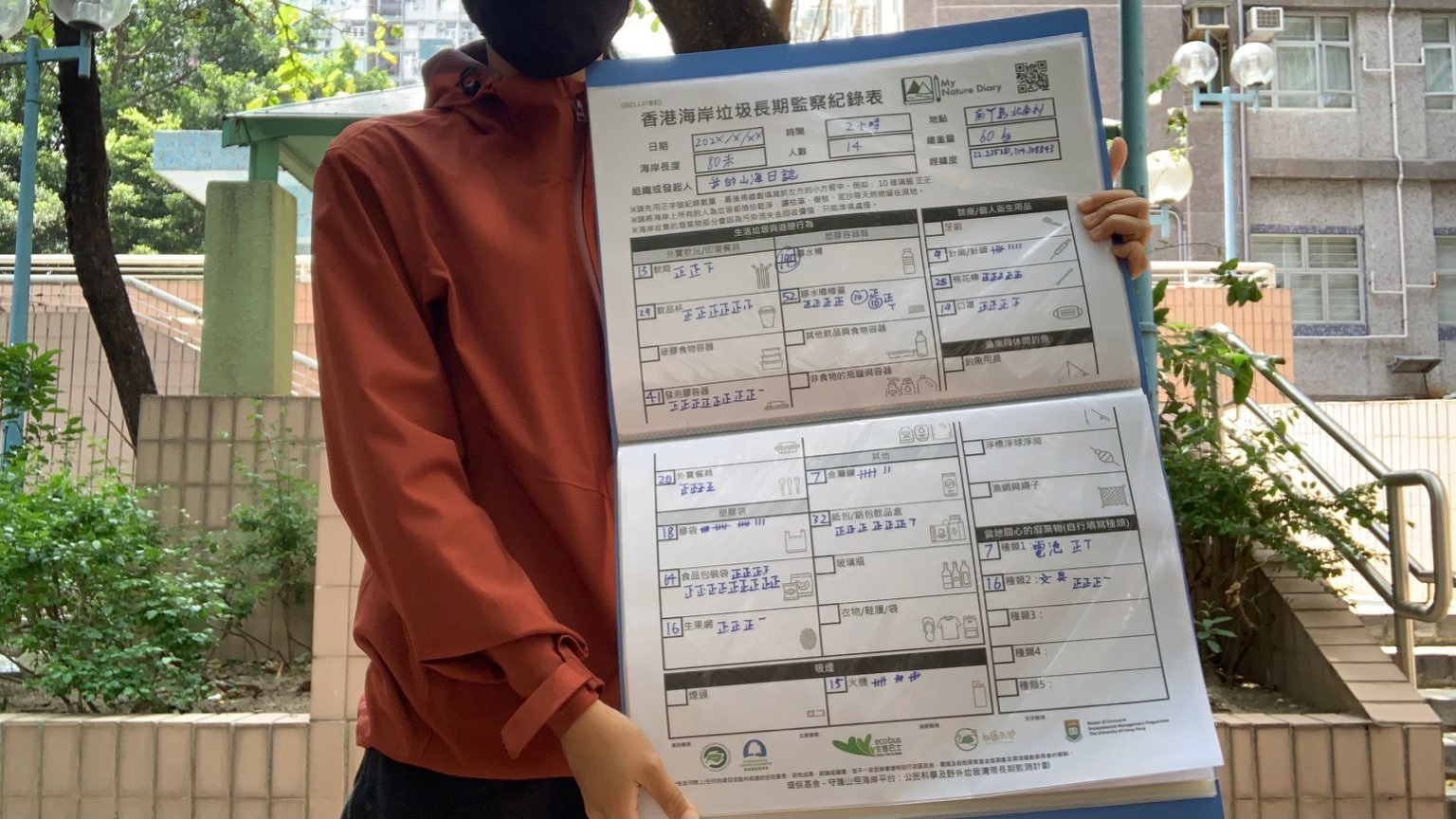
What is My Nature Diary?
It’s a citizen science project to collect the actual figures of different waste on trails and coasts in Hong Kong, and aims to create a local database of trail trash and marine debris. The collected data is expected to be used for environmental education, a reference for academic research, as well as a basis to drive green policies. In practical terms, we bring the general public to nature to understand the waste issues. Apart from rolling up our sleeves to pick up trash, we can all contribute to the data collection of types and numbers of rubbish, and be inspired to reduce waste at the source in our everyday life.
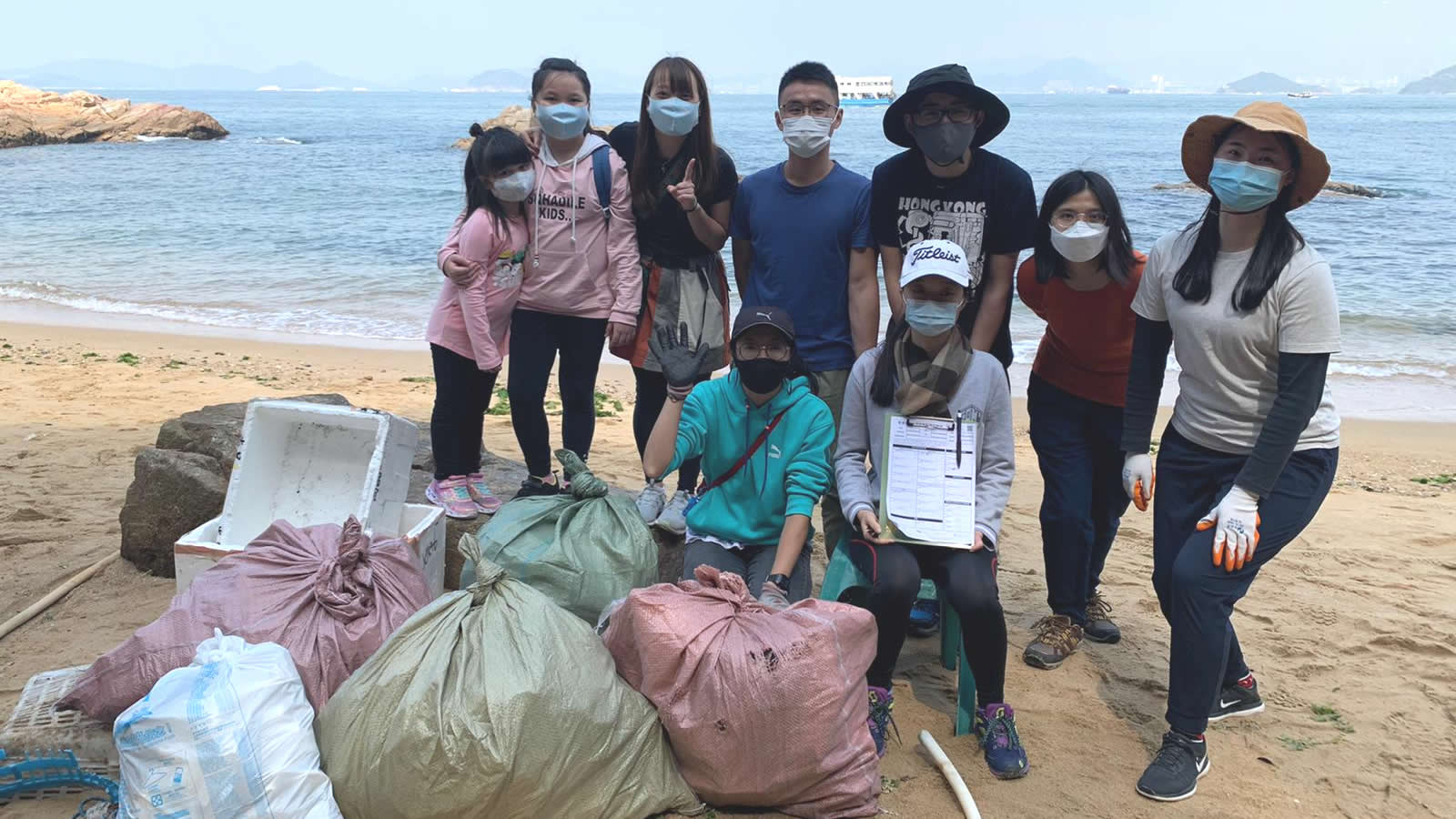
Beach cleanup
Why Trail/ Beach Cleanup and Collect Data?
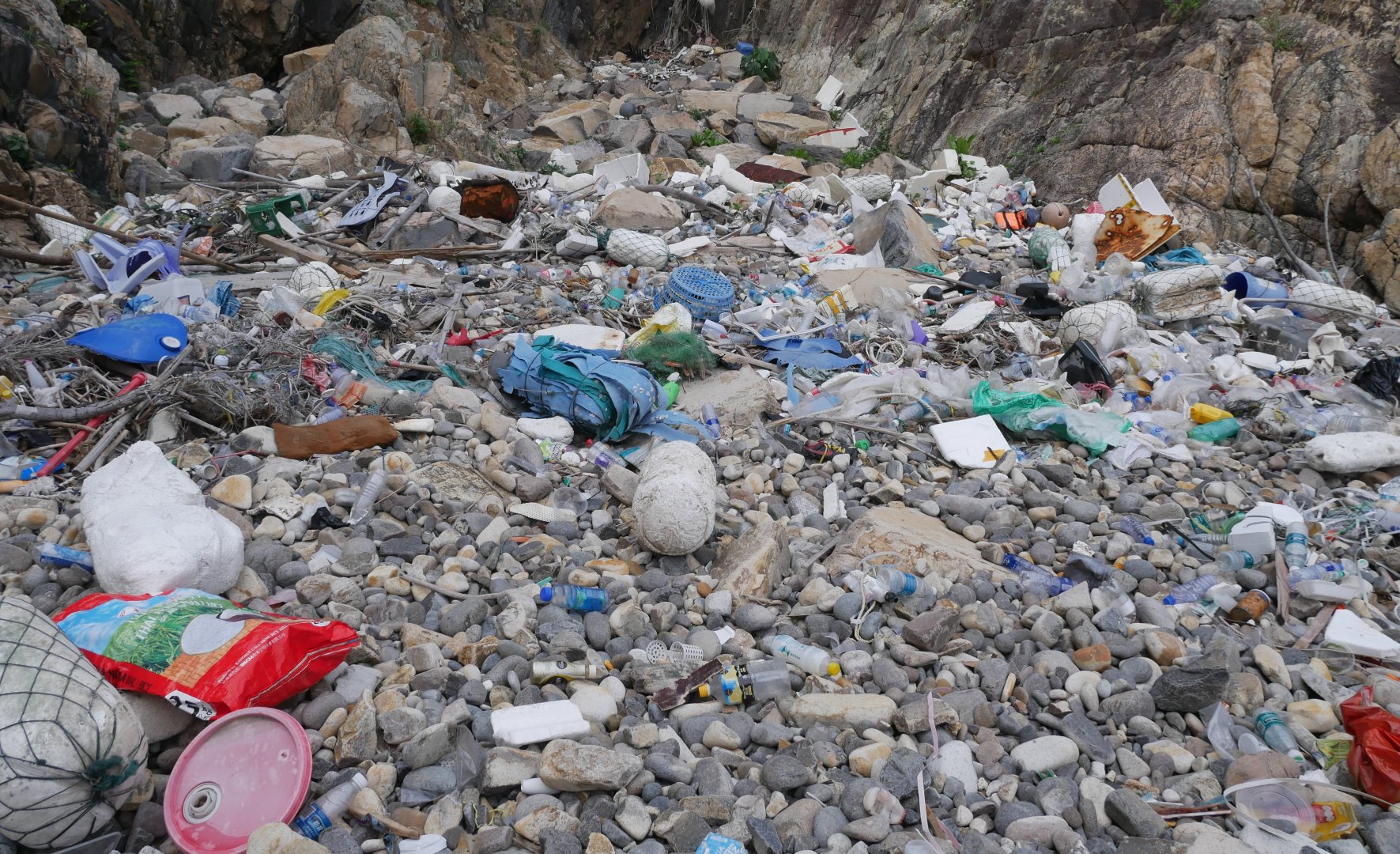
The frequency and amount of rubbish spotted in nature is increasingly becoming an environmental pollution problem. Regardless of where the trash was dumped in the first place – in the mountain or in the city – they will eventually end up in the ocean via different channels. If the trash problem is a pollution issue then we need to understand its source and current status: the type of trash and its amount, in order to deal with it. Only by doing this can we be better at preventing and managing this issue. The data needs to be collected by hand and it is not that easy, but the more data we have, the better it reflects the situation, so we need more people to get involved.
How to Collect the Data?

Division of labour, one to pick up trash, while the other records
The operation is simple: at least two people in a group, one person is responsible to record while the other shouts out the types and numbers of rubbish. For example, one straw, two bottle caps… then tally marks on a form. After the activity, weigh the trash, organise the data, upload to the My Nature Diary website and one record is saved!
According to the collected data so far, we found that:
The top three types of trail trash are: 1) tissue paper, 2) cigarette butts and 3) food packages. We encourage:
– Everyone to bring their own handkerchief
– Smokers can carry along an ashtray for cigarette butts
– Avoiding individual food packaging or buying food without packaging to minimise waste
Surgical masks, disinfecting wipes and its packaging are also commonly found on the trails during the pandemic, which indicates the importance of continuously educating people about “Take Your Litter Home”. On the other hand, plastic bottles are always the top marine debris. We have collected over 10,000 plastic bottles on the coasts in just three months, so please bring your own bottle.
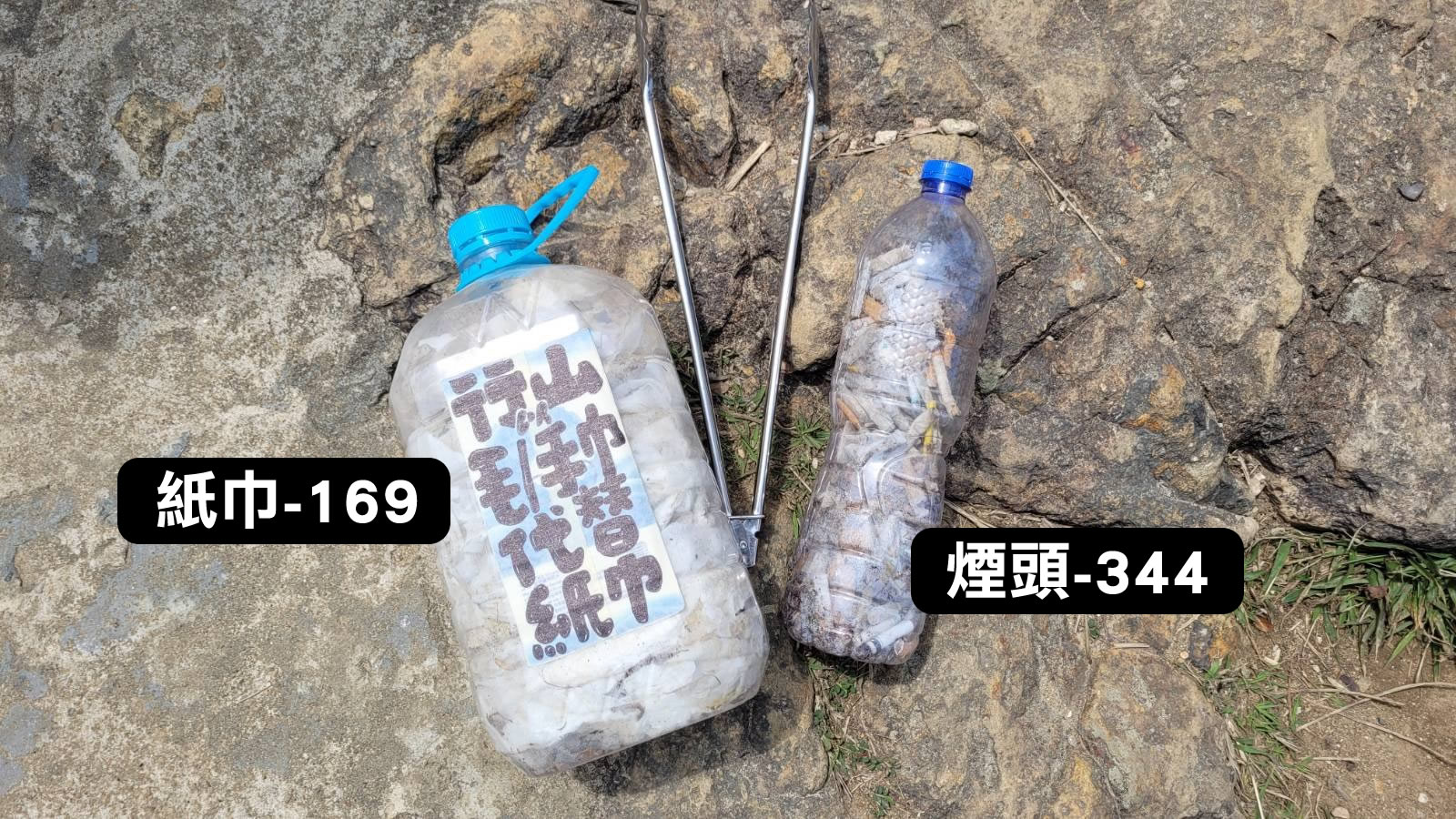
344 cigarette butts and 169 tissue paper
What Can I Do Other Than Trail/ Beach Cleanup?
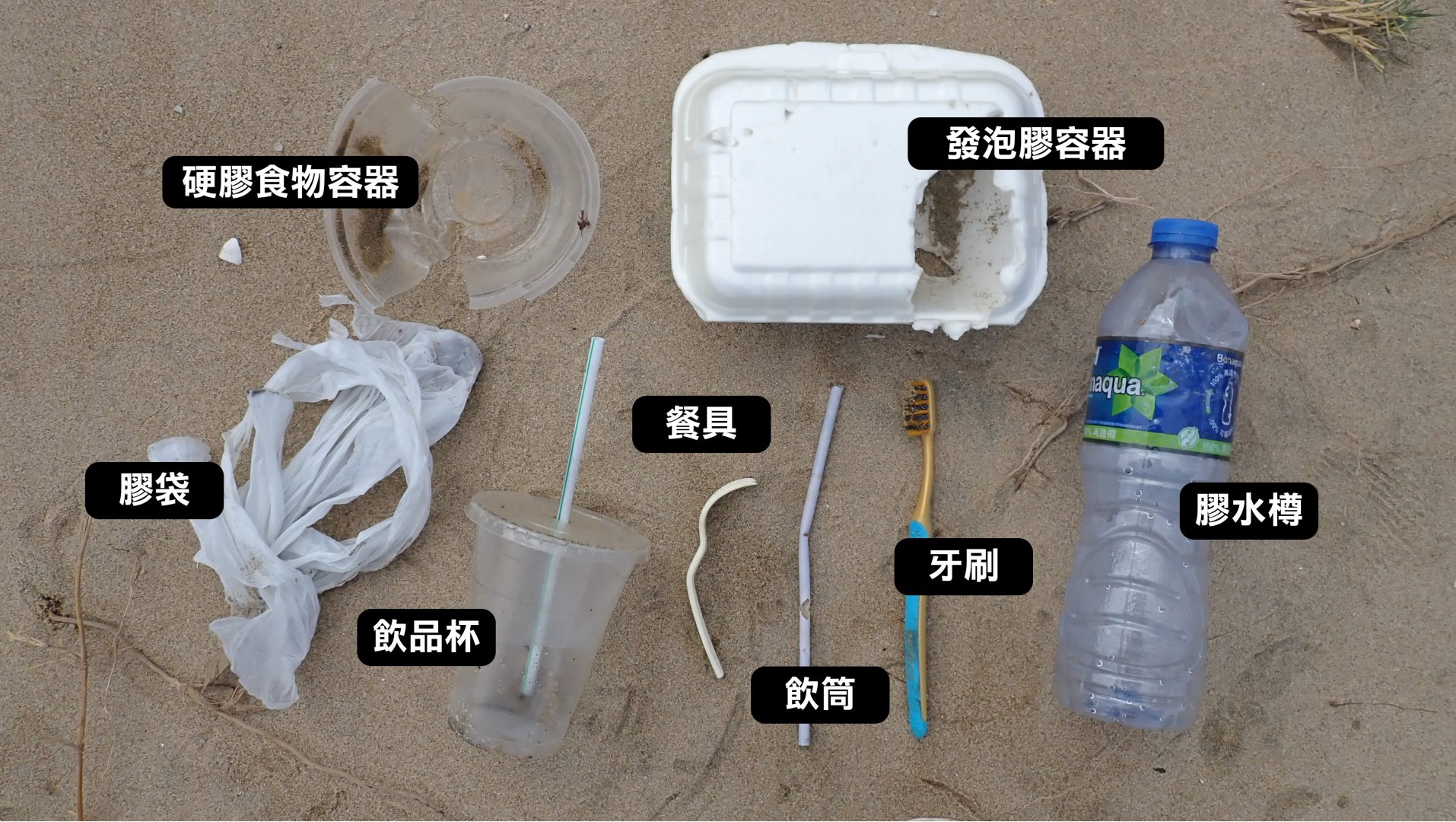
Common Marine Debris
We do not want to see the countryside or seaside filled with trash; therefore, we go there to pick up trash. We have always thought it is right to throw rubbish in the bin, but the truth is that we are just hoarding the trash in the landfills, the rubbish still exists!
Take a step back and think about it, most of the trash is not going to disappear by itself. Reducing waste at the source is more important, especially when marine debris is often related to food and beverage.
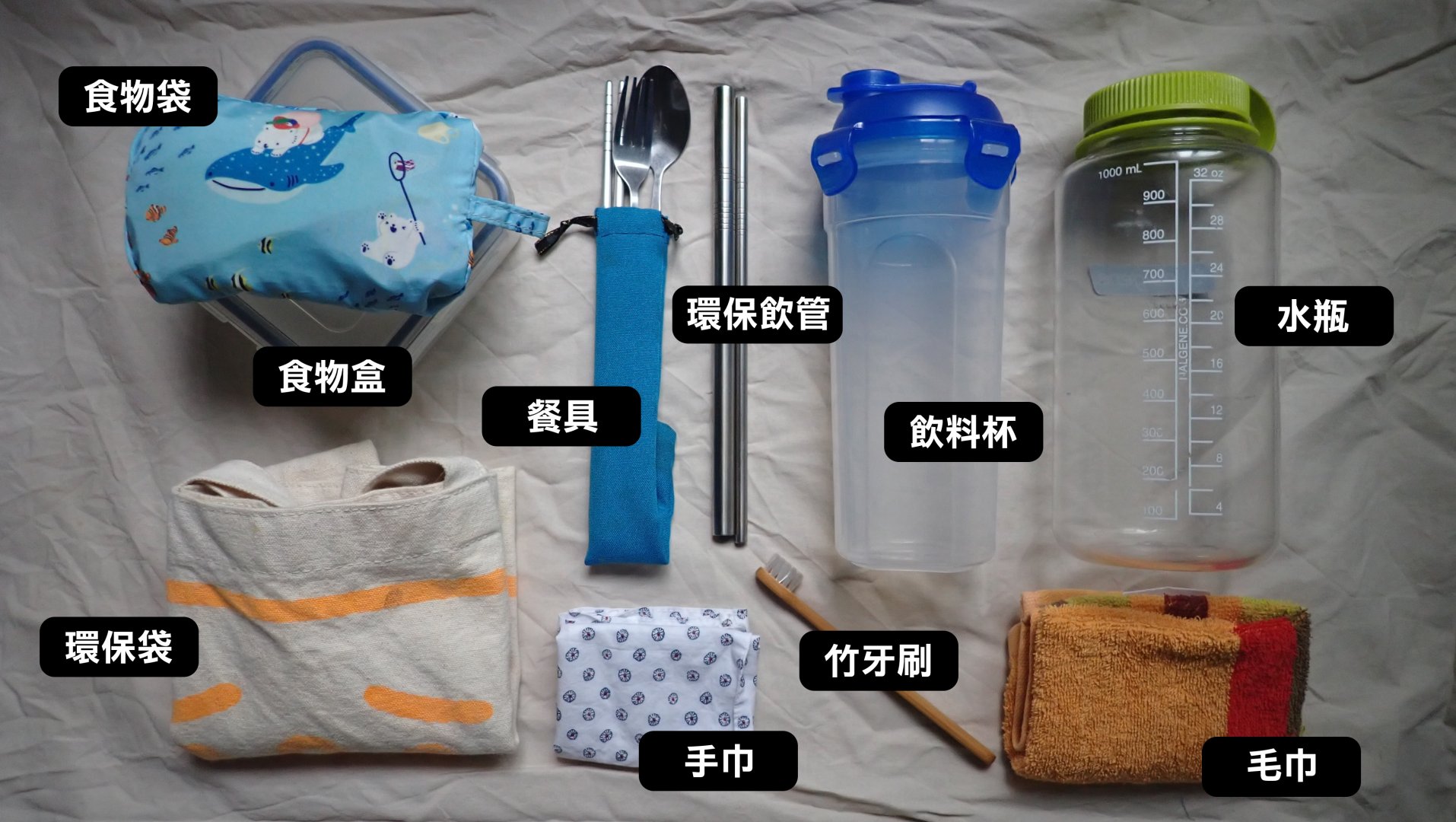
”Tools” for reducing daily waste
Join us for the Leave No Trace nature experience and try to live a zero waste lifestyle!
For more information, please visit the website of My Nature Dairy: https://ecobus.org.hk/diary/