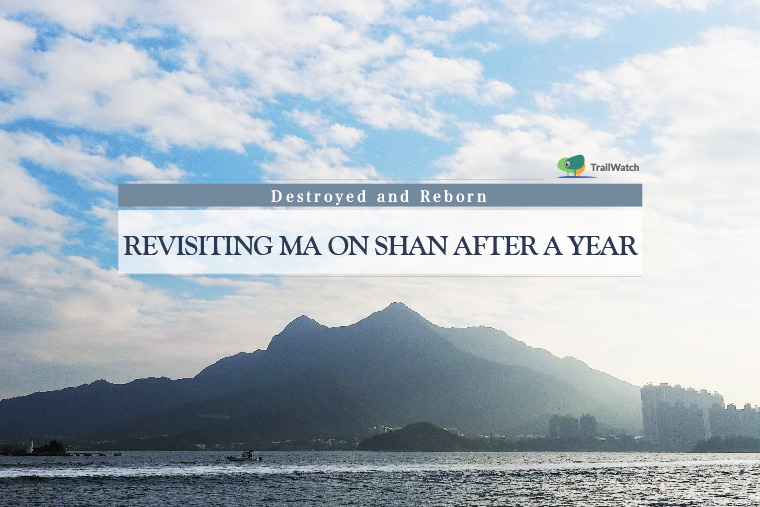
In 2020, a hill fire broke out in Luk Chau Shan near Ma On Shan, lasting for almost 20 hours. The TrailWatch team visited the site 24 hours after the hill fire was extinguished, encountering vegetation that was brownish-dark in colour due to oxygen deficiency. We stepped on the slippery soil, the acrid smell of burnt hitting our noses and shared the experience in the article The Battle Between Fire and Trees. One year has passed, there was news about other hill fires in different areas of Ma On Shan throughout the year. 12 months later, our team revisited Luk Chau Shan to observe how the destroyed forests have changed over time.
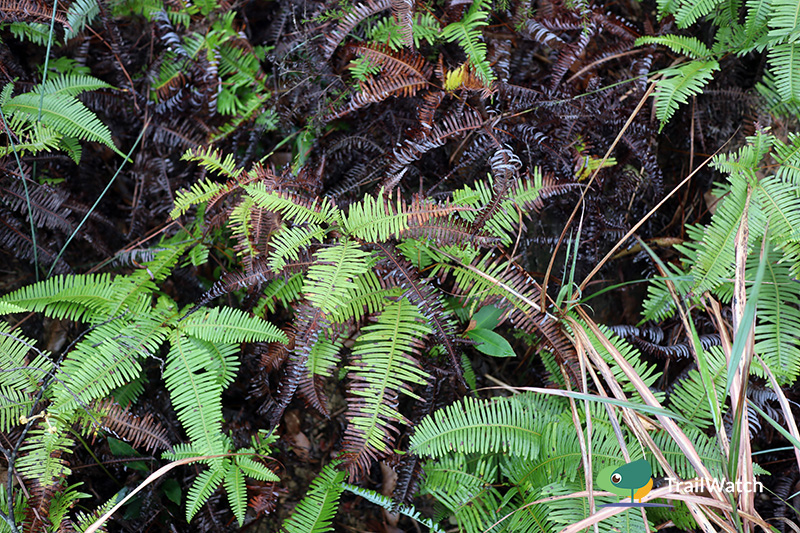
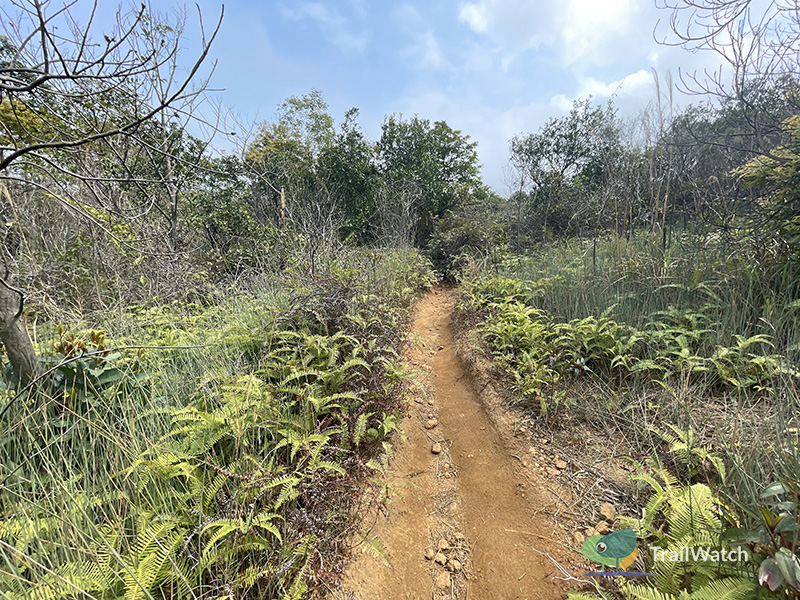
Dichotomy Forked Fern 2020.3 / 2021.3
Help From the Pioneer Plants
Last year, most of the shrubs in Luk Chau Shan had been burned, leaving behind only small ferns blackened by smoke on the two sides of the path. This year, the dichotomy forked ferns have grown very dense. The dichotomy forked ferns are commonly found in Hong Kong, it was lucky that this flammable species did not suffer from the previous hill fires. Ferns are heat tolerant and able to survive in infertile soil; in fact ferns can help to keep soil moist, which improves the growing environment for other vegetation.
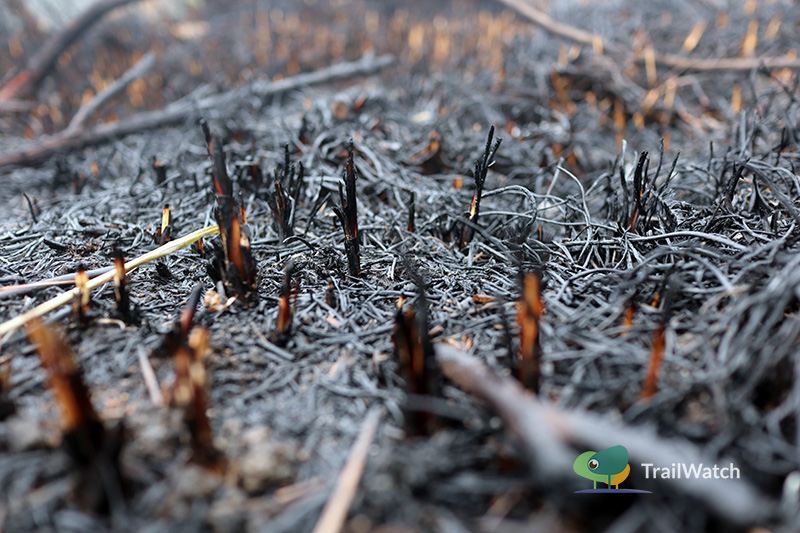
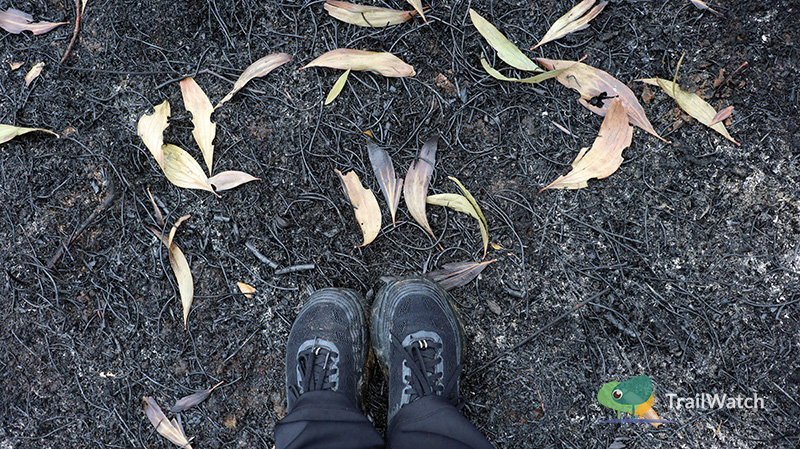
The burnt shrubs /2020.3
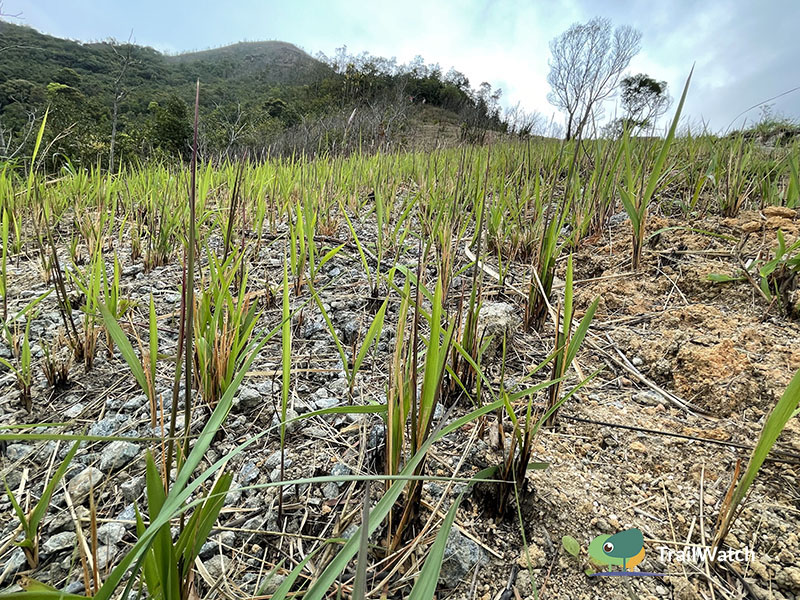
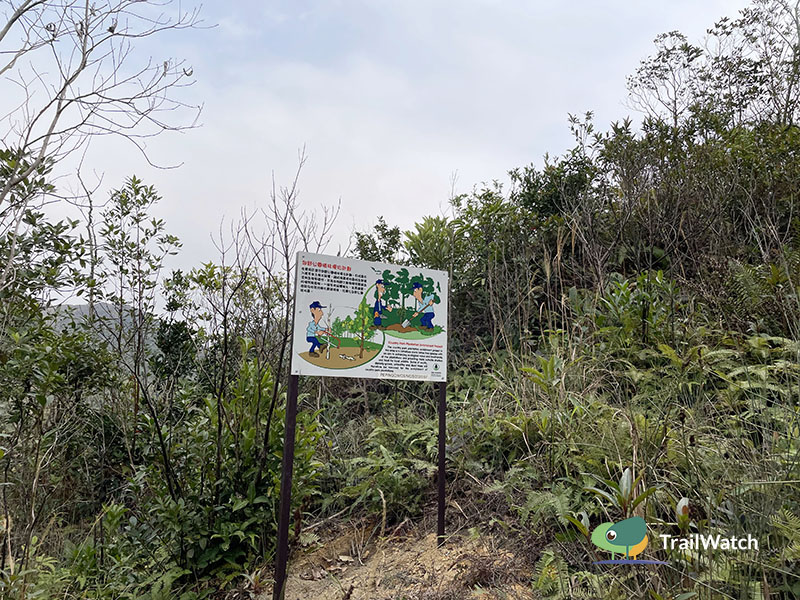
The newly grew vegetation and a new plantation /2021.3
Reseed the Forests With Seedlings and Plans
A grassy land takes several years to grow, and a shrub forest needs 10 years. Last year, after the shrubs burned down, only dead woods were left. This year’s revisit helped us visualise that it requires decades for the forest to look like what it used to be.
Fortunately, the Grace Youth Camp under ELCHK near Luk Chau Shan collaborated with the Agriculture, Fisheries and Conservation Department to launch a 5-year Plantation Enrichment Programme (PEP) in an area nearby. They planted the fire-resistant and fast-growing Taiwan Acacia, as well as native tree species such as Ivy Tree and Daphniphyllum Calycinum. The growth of exotic tree species is relatively fast; however, native species are more adaptable to local ecology and wildlifes which can foster better biodiversity. Although the tree planting scheme is driven by humans, when it is well planned, managed and researched, it can speed up the naturalization process and allow the forests to integrate into the mountains sooner.
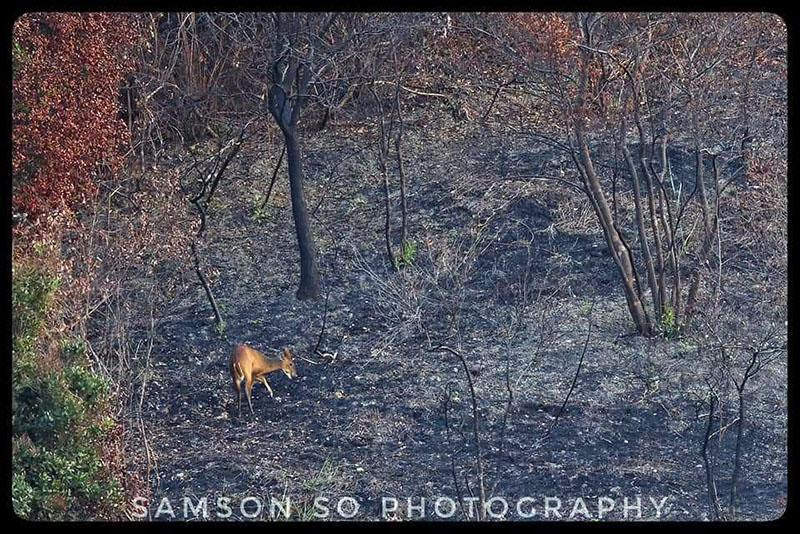
(Photo Credit: Samson So)
A Photo taken by Chance From Observing a Forest in Renewal
Samson So, the founder of Eco Institute, lives between Ma On Shan and Sai Kung with his family. He enjoys exercising and observing the surroundings from their rooftop at 4-7pm everyday. Since last October, their family started using a single binocular to observe an area of Ma On Shan that was burned by the hill fire. He often heard a dog-like hoarse barking sound but with a unique interval and frequency, which he knew is the calls from Muntjac (barking deer). One day, he captured this photo.
“I have been observing the restoration process of this piece of forest almost everyday since last year’s hill fire.The pioneer plants emerged from the rains in February, and I was lucky enough to see a Muntjac searching for food on a working day at home. I believe this discovery is different from finding snakes, insects, rats or ants that some online friends might have bias against.” Samson wrote online. He reminded us that apart from trees and rare animals, many species such as snakes, insects, rats and ants that people are not as interested in are also struggling to find a way to survive in the regrowing Ma On Shan forest — a complete and abundant ecosystem does not only have trees or large animals, it should also include the unseen amphibians, insects or birds. Protecting country parks is also protecting the home of various creatures.
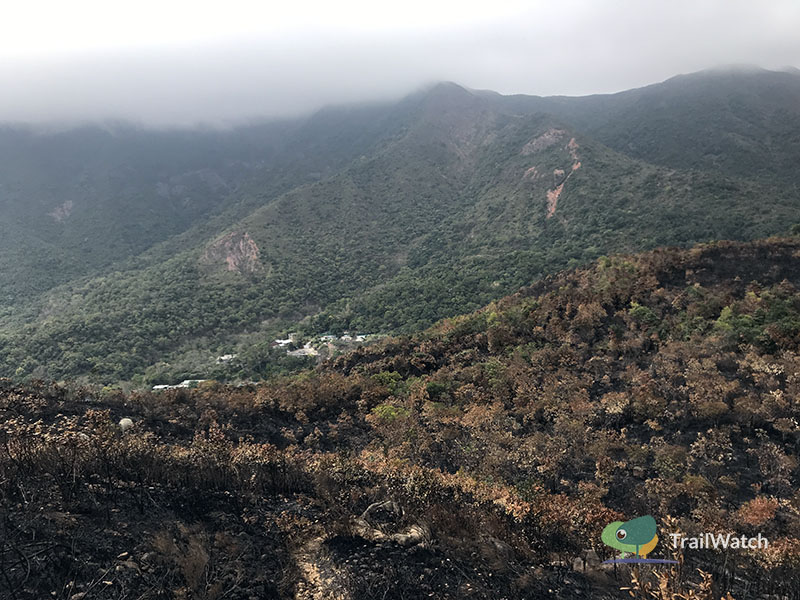
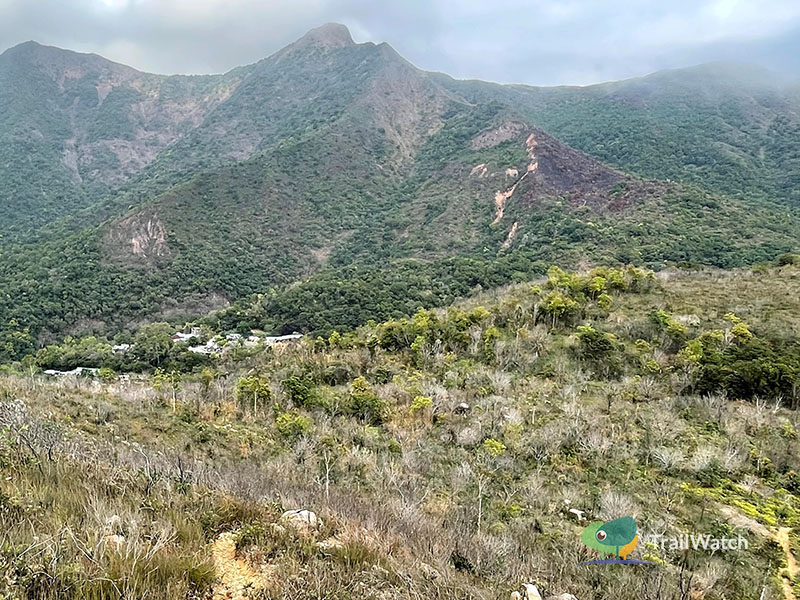
An area between Ma On Shan Country Park and Luk Chau Shan
2020.3 / 2021.3
Further Reading:
Lung Fu Shan Environmental Education Centre: Forest on Fire – How to Rebuild Forest in Hong Kong?
https://www.facebook.com/lfseec.hk/videos/352355012575049