Text & Photos: Ebee Lam, 山女行-Love My Lazy Sundays
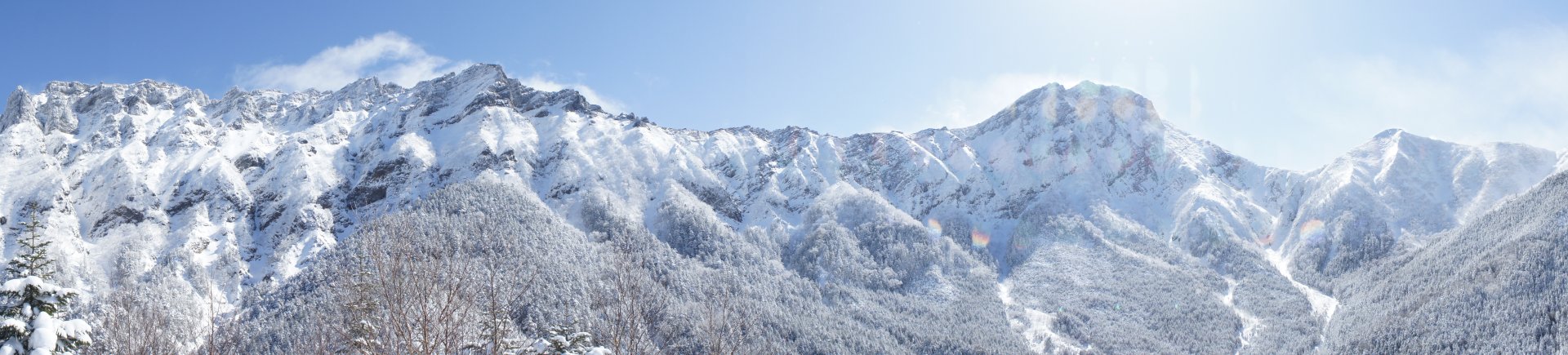
In recent years, hiking has become a popular pastime of Hong Kong people and our footprints are all over the world. Japan is one of the top overseas hiking destinations for some of us; I myself hike in Japan two or three times a year. Of the 100 mountains in Japan, and situated in Nagano Prefecture, Yatsugatake (八ヶ岳) is the mountain range that I most enjoy. It offers different views in summer and winter and is also a famous spot for mountaineering training. Although I have visited this place four times before, I am still planning my fifth visit there this summer.
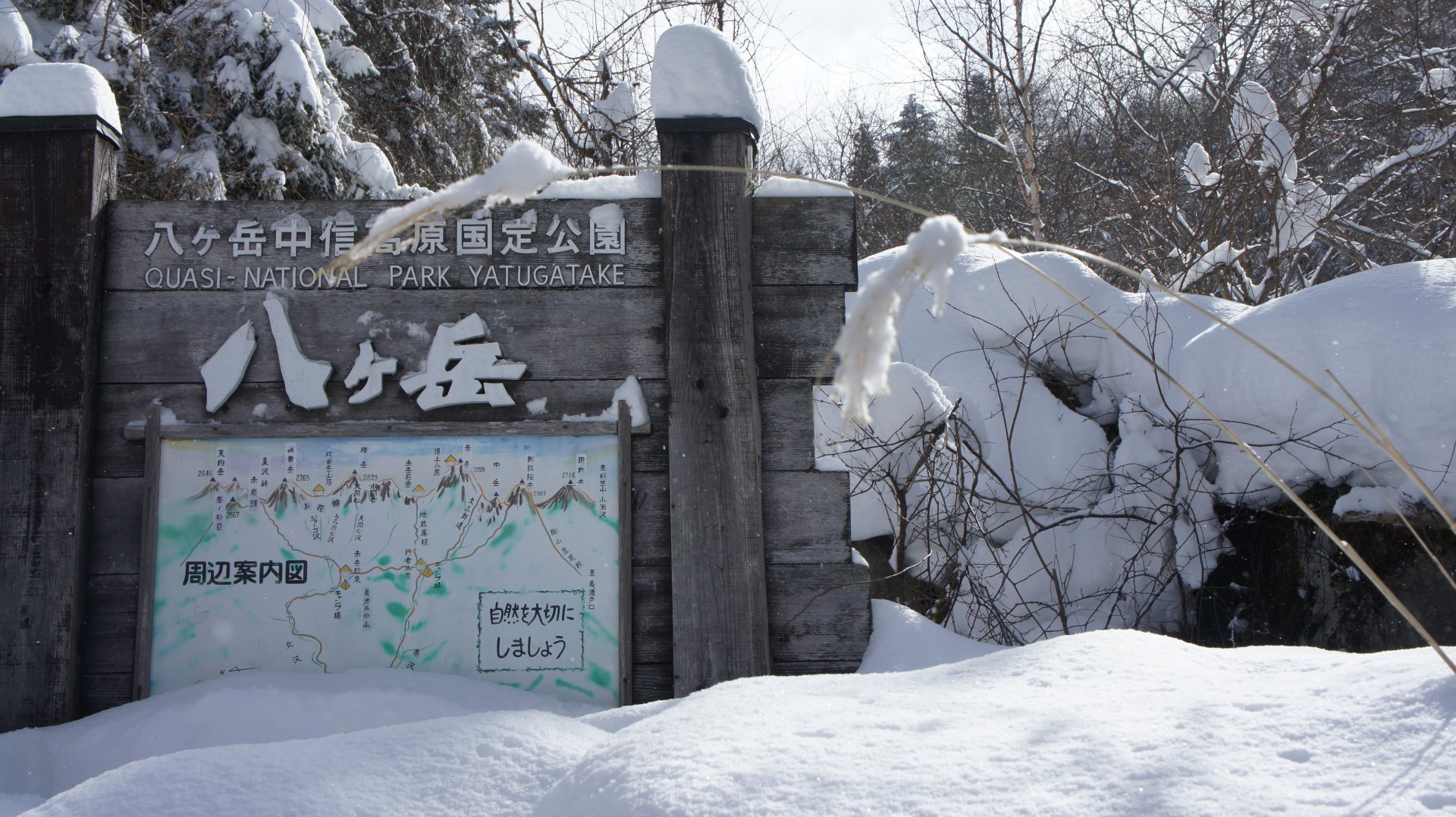
My first icy and snowy experience happened at the 2,899m tall Aka-dake (赤岳) mountain of Yatsugatake. This journey opened my eyes to winter mountaineering and left a deep impression on me. The snowy Yatsugatake can be gentle one minute and crazy the next, focus is needed every single second. Learning to travel in various snow slope environments with ice grips and ice axes is the first step of winter mountaineering, you have to take each step seriously to avoid sliding down or even causing an avalanche. Knowing how to self-arrest during a slide down is vital for saving one’s own life. These techniques must be learnt from the professionals, it is not something we can self learn online.
Climbing to the top of Aka-dake was the most memorable day. We started from Bunzaburo Ridge (文三郎尾根), marching in the snowy ground with ropes. My teammate at the back accidentally slipped while we were climbing up the ropeway, I was then pulled down because I was tied to my teammate. Fortunately, our leader above me managed to quickly grasp the wire and stopped us sliding down, otherwise I might still be “sleeping” there…
As the forecast predicted, the weather began to worsen and we needed to walk bending forwards to go against the wind. After reaching the peak, we could only leave in a hurry, but still encountered a whiteout when descending — the visibility was only one arm’s length! Our mountaineering leader regrouped us with other teams to ensure the safety of everyone. During the wait, we had to stay in place without any shelter, which caused one of our teammate’s body temperature to fall. We needed to give her warm water and hugs to maintain her body temperature in the storm until we had waited for everyone. After that, we descended the mountain at full speed. Our team was overjoyed when we arrived back at the hut, we hugged each other and were grateful to have reached the top and returned safely from this thrilling experience.
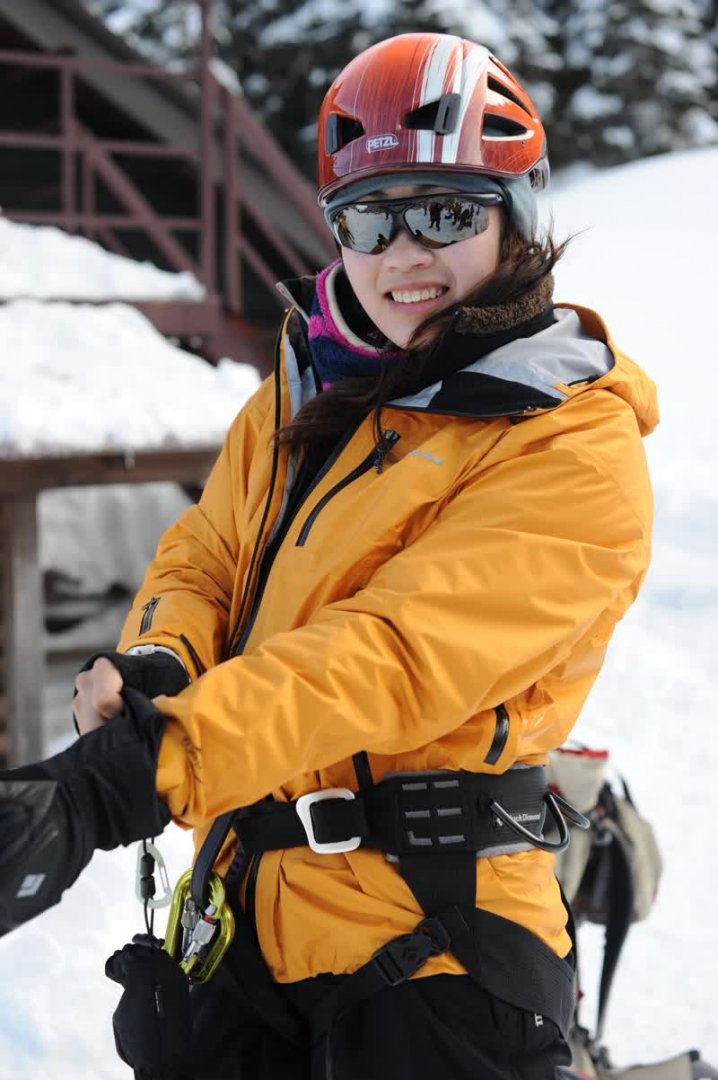
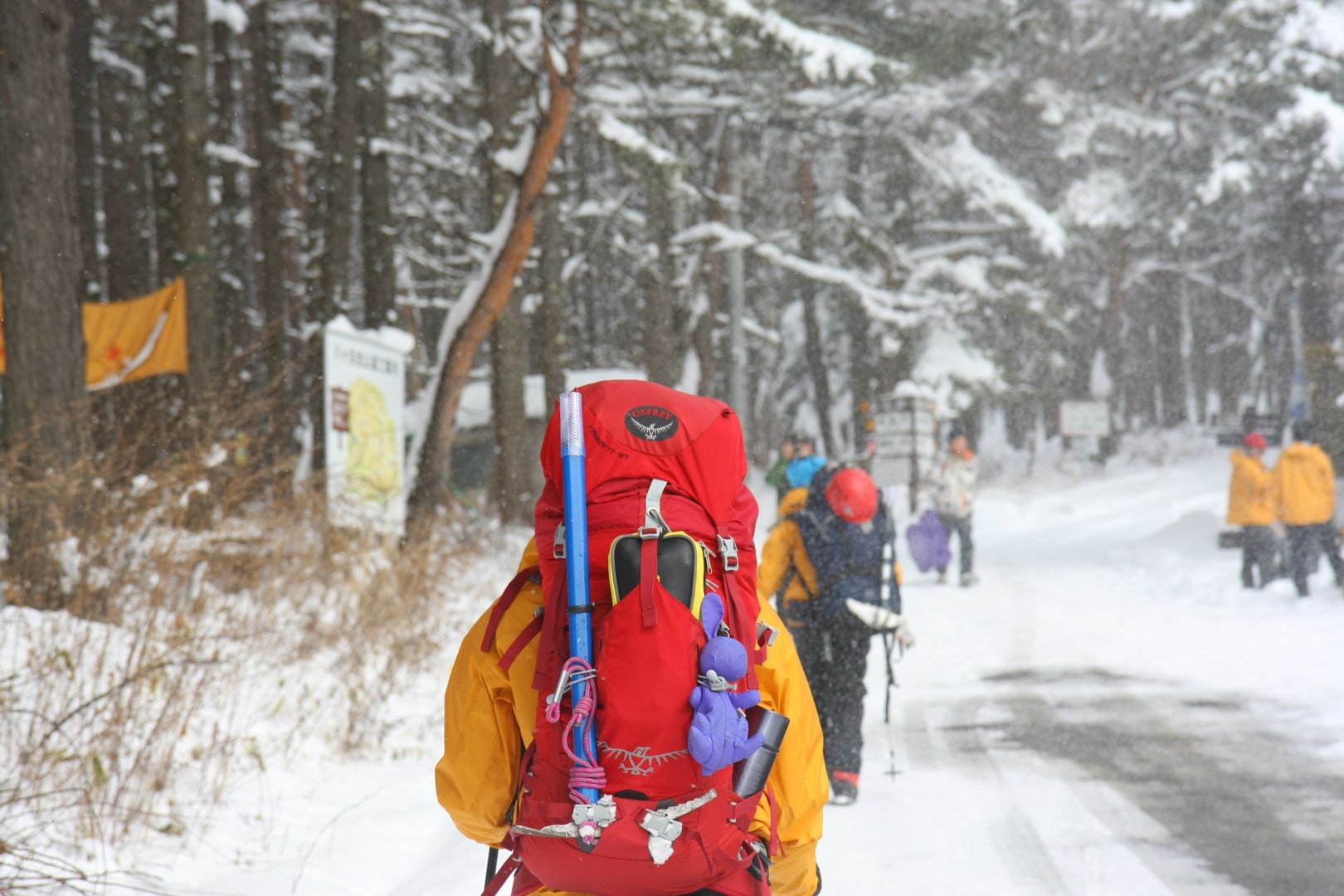
Other than having basic training, factoring in weather conditions and teamwork are also critical for mountaineering. Mountaineering is not simply an activity to challenge ourselves, it is also a lesson given by the mountain. The Japanese are well known for being polite and nice; when we hike there, we learn about hiking etiquette.
Get closer to other hikers by saying good morning or a nod with smile
A friendly “Hello” or a simple greeting when crossing paths with others is normal. Mountain information will also be exchanged, which are especially important during snowy or rainy seasons when sudden accidents such as unstable snow conditions or road collapses are likely to occur. Knowing the latest information allows us to further ensure the safety of the trip. It can also provide clues in the event of mountain disasters, as information such as meeting place, time and physical conditions can all be vital to the rescue.
Respecting others is also respecting oneself
Even while walking on the same path, hikers are used to keeping a comfortable distance from each other, unless overtaking or queuing up is necessary in some situations. There is no playing music or making loud noises in the mountain, everyone is playing a part to maintain quietness in nature so every hiker can enjoy hiking and communicate with nature.
Capture the scenery that belongs to everyone
Everyone wants to take nice photos at the landmarks, we can try waiting in line nicely to avoid photobombing others. Do not occupy the spot for too long, a few photos are enough for a good memory. Try not to capture other people in your photos or ask them in advance, it is a basic respect not to take a secret shot of others.
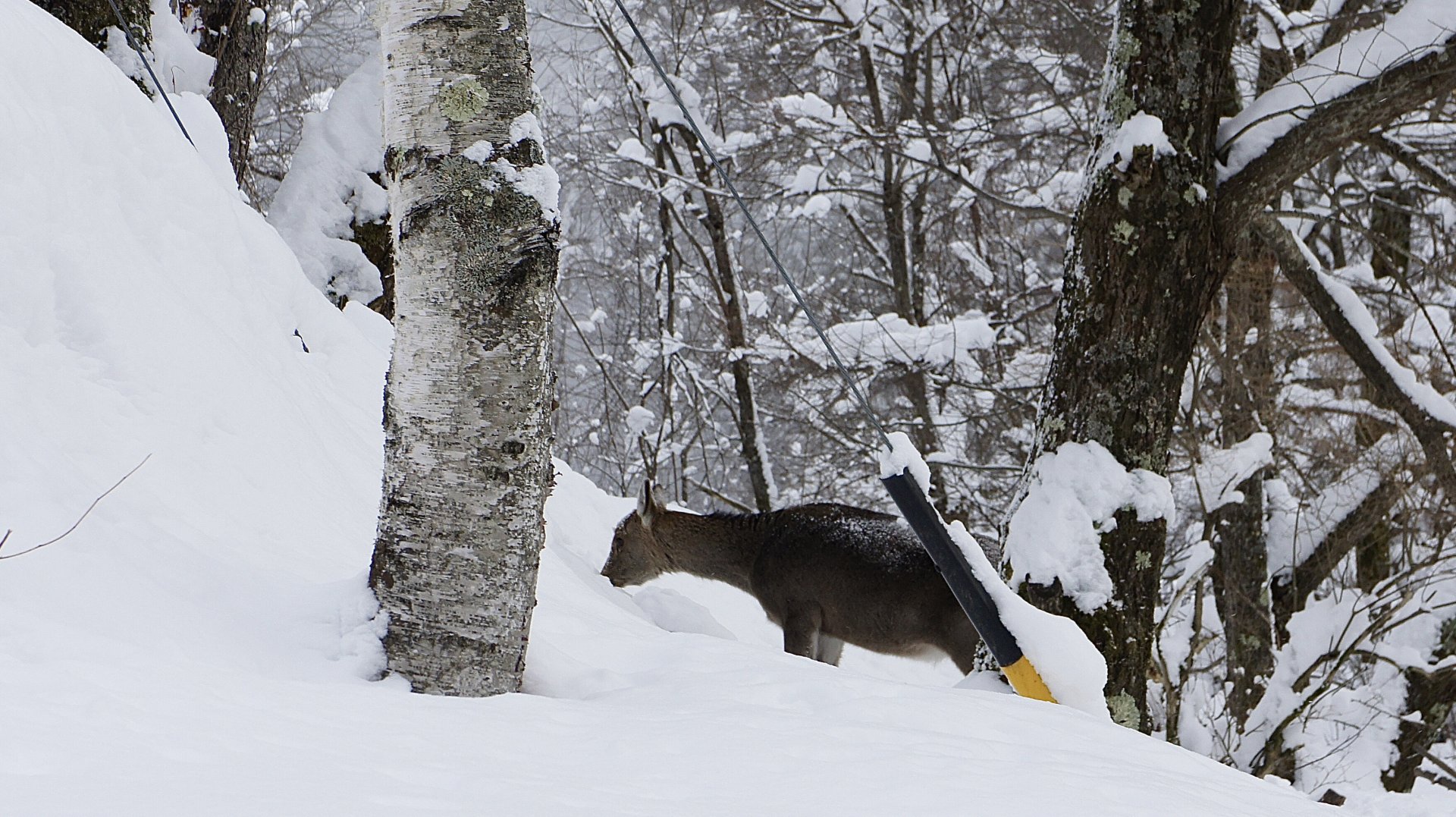
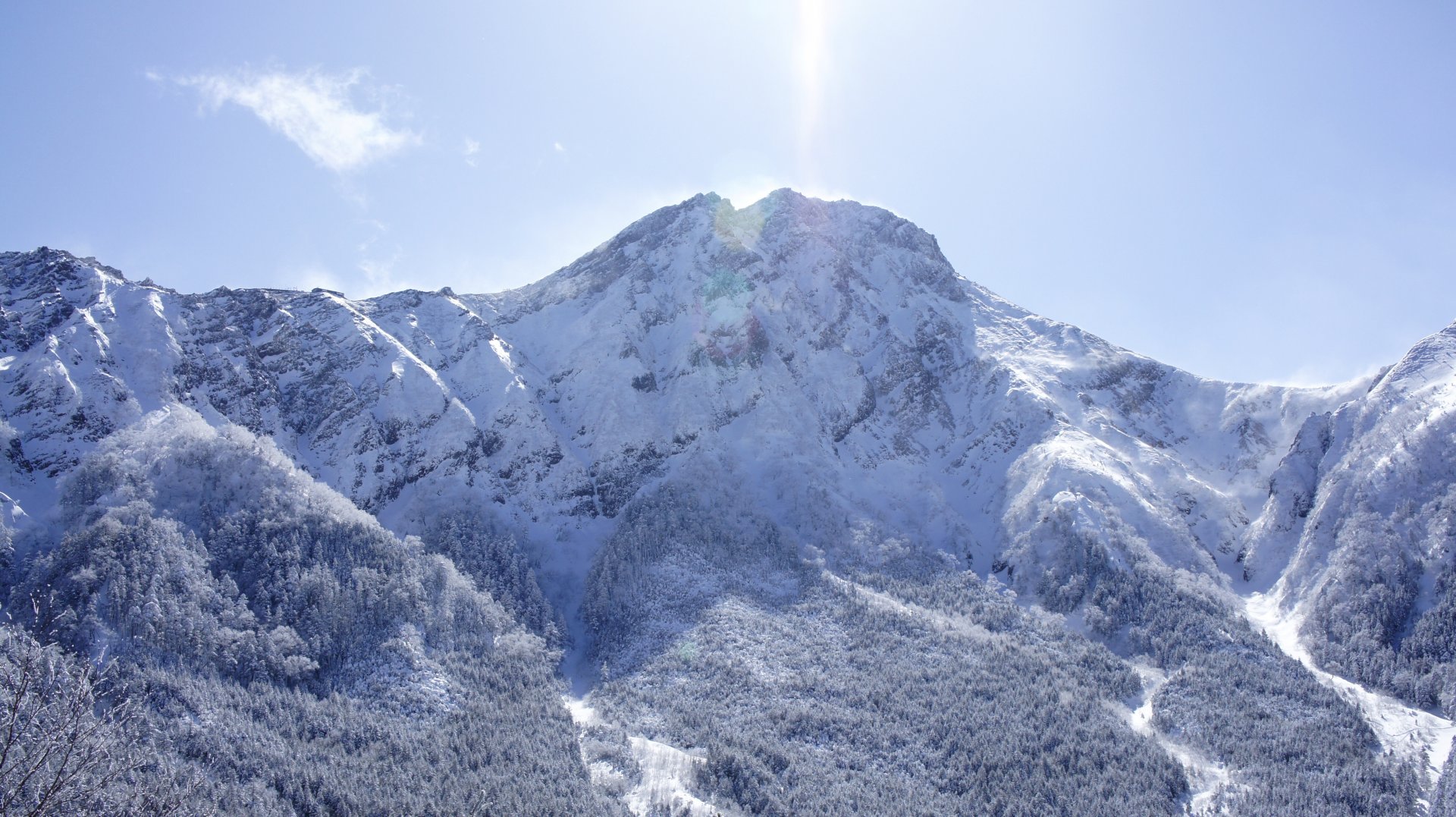
Whether in Hong Kong or Japan, following good hiking etiquette shows respect to ourselves and nature. The mountains are full of people due to the popularity of outdoor activities in recent years; however, this also brings a ton of rubbish. If you really love nature, show it by taking action to respect the wildlife and ecology, bringing your litter home and practicing Leave No Trace principles. Hongkongers, we can do better!