Text & photos: 童然 That’s ChildWood
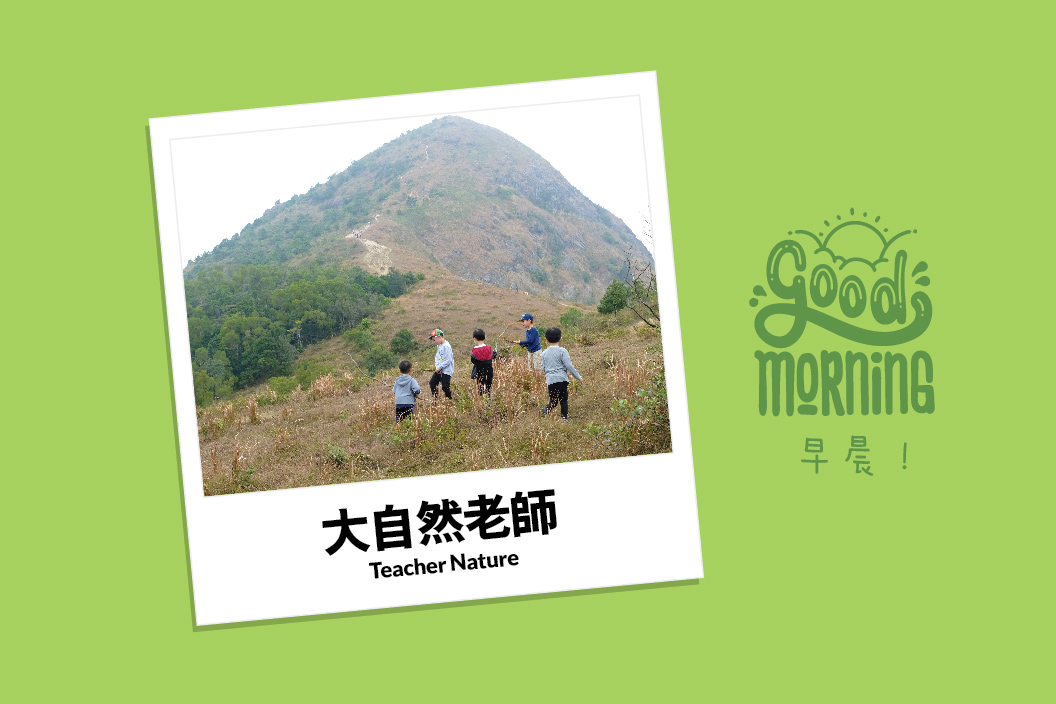
“I wish I brought something with me to play with!” Said one of the kids as we arrived at the grasslands of Ngong Ping Plateau and saw people flying model airplanes. I did not respond, and not long after, the children found themselves various tree branches from around the place and chased each other joyfully around the bushes.
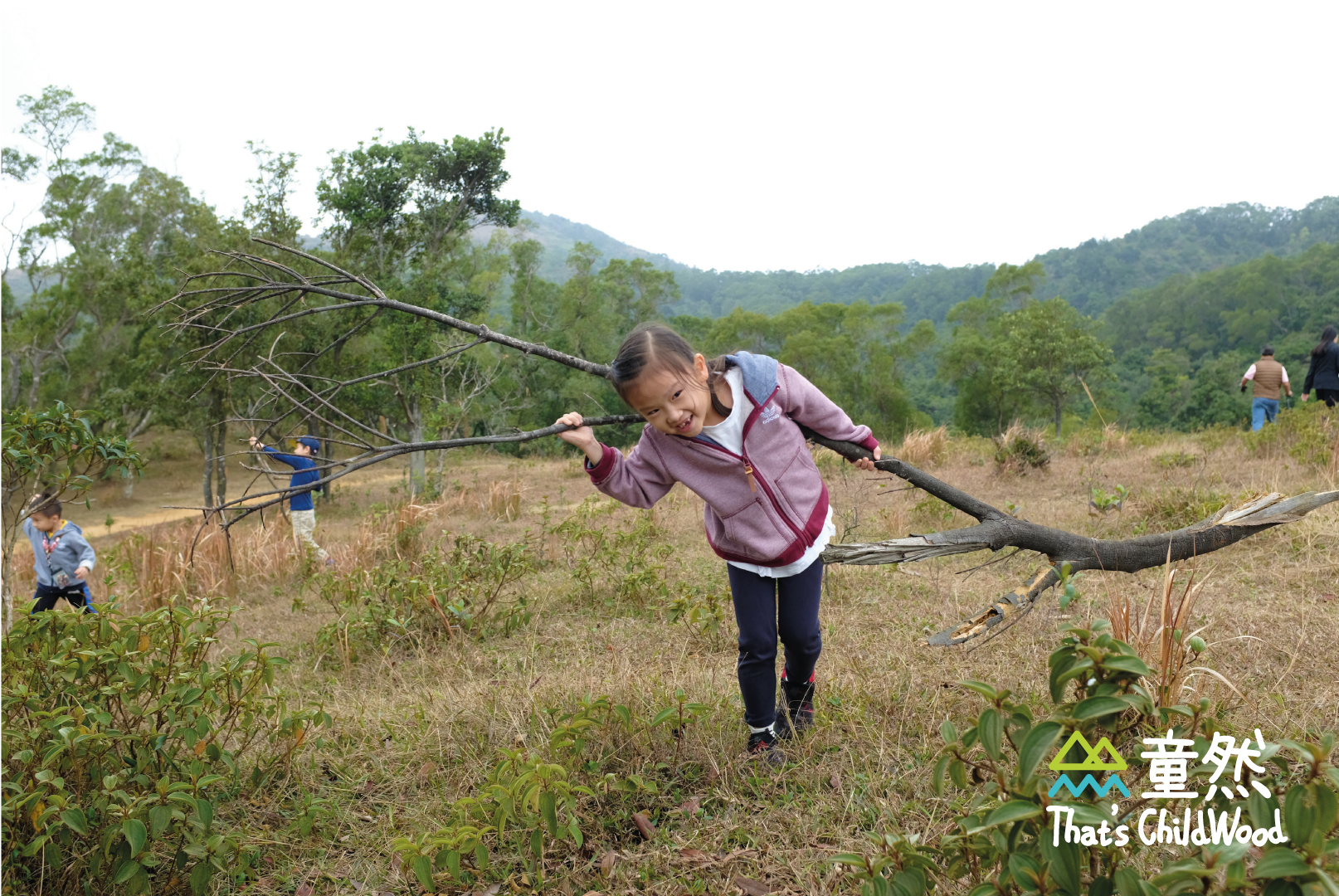
“When children come into contact with nature, they reveal their strength.” – Maria Montessori
That’s right, this is the charm of nature! I have always believed that Mother Nature is our finest teacher; she shares every single thing with us humans. However, as an adult, have we cherished these moments for our children to learn?
“Mum, come look at this thick branch!” A boy picked up a branch from the ground and shared his excitement with his mum.
“I have told you many times not to touch around, the ground is very dirty!” His mum immediately fussed over him, urging him to throw away the branch and proceeded to use disinfectant wipes to clean his hands.
“Dad, come here quickly, I found an ant!” A girl exclaimed.
“It’s just an ant, let’s go.” Her dad asked her daughter to leave instead.
And just like that, great chances for children to learn from nature slipped away.
We need to realise that the ways children explore and learn about the world are completely different to adults. We are “macroscopic”, but children favour “microscopic” learning, they need to experience through senses to build up their understanding of the world step-by-step. Opposite to adults, children need to first understand the details when processing information, to explore the complex relationships between objects, before figuring out the whole picture.
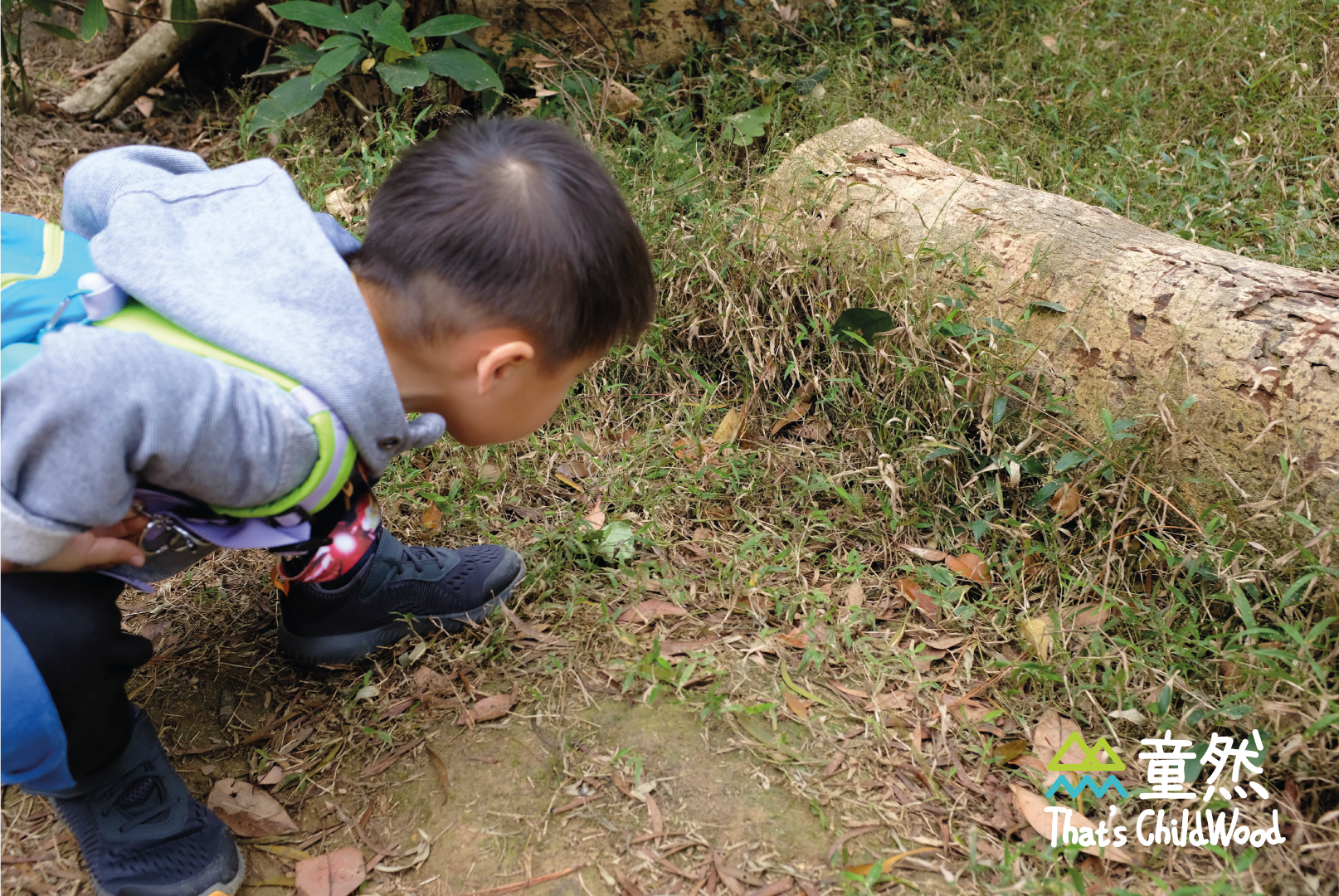
“A child, more than anyone else, is a spontaneous observer of nature.” – Maria Montessori
An authority in childhood education, Dr. Maria Montessori believed that senses are fundamental for humans to explore the world, and lead us to open the door of knowledge. She claimed that our hands are the most important of our senses and young children need to learn through their hands: concepts can only be transferred into knowledge through physical touch and hands on experiences. It is crucial that children utilise their senses as much as they can, nature provides unlimited opportunities to them.
Take tree branches as an example, children of all ages are obsessed with them. According to the Montessori theory, children aged between 1.5 to 4 years old are going through “the sensitive period to small objects”. Children at this stage like to pick up smaller branches and this is an excellent opportunity for them to differentiate through sights and touchings. Parents can guide children to order the branches by size to help them understand concepts such as long and short, or thin and thick. When children get older, they can try to stack up branches in ways that challenge their understanding differently: for example, sorting longer and heavier branches at the bottom to make a more stable base. This is a good opportunity to also train their small muscles.
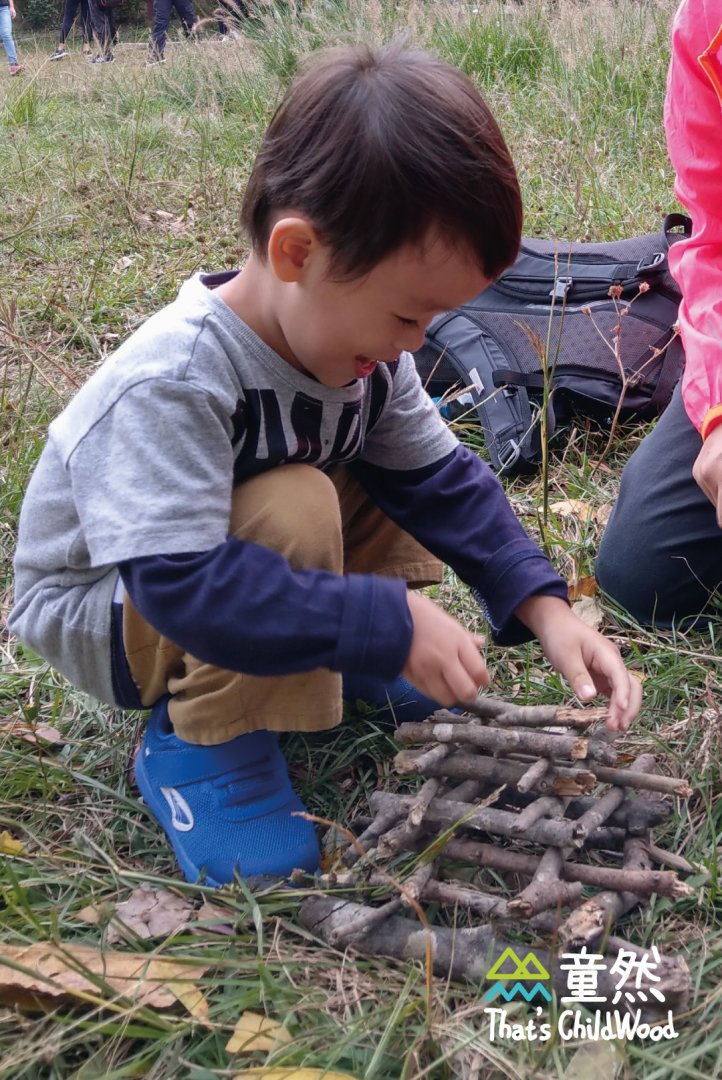
“The senses, being explorers of our world, open the way to knowledge.” – Maria Montessori
Nature of course has much more than branches as teaching material for the developmental needs of young children. How can a child learn about the different shades of green if they haven’t picked up leaves to look at? Or to truly understand the concept of quantity by counting pebbles or seeds one by one with their own hands, instead of just saying the numbers out loud? Children can use their limitless creativity to draw their own pictures using the different materials found in nature. Their imagination does not cease to surprise us.
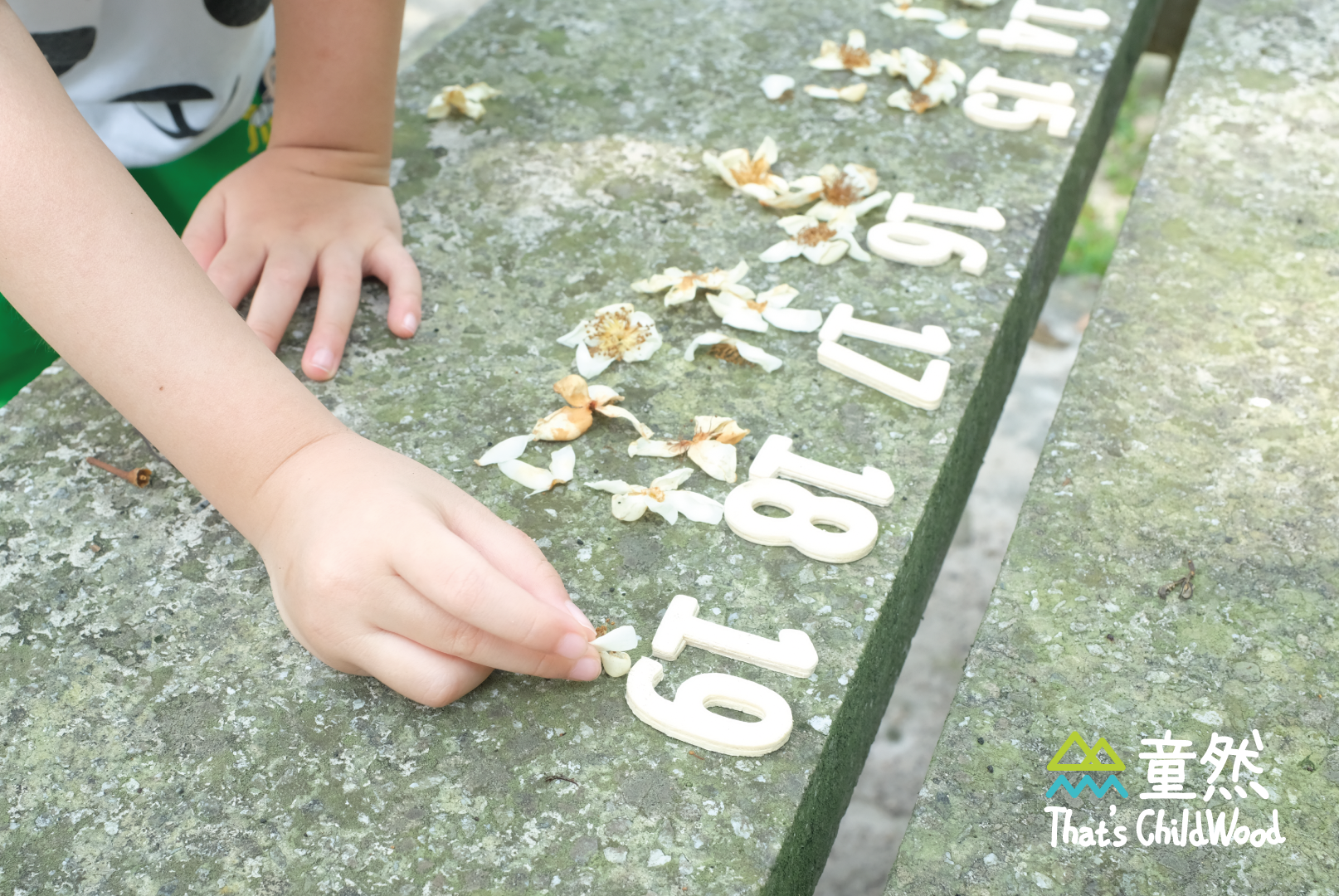
“What the hand does, the mind remembers.” – Maria Montessori
Next time you go hiking with children, try to slow down your steps and spend more time with them looking at the troops of ants, touching trunks and rocks, or listening to the sounds of grass and trees swaying in the wind. Take your time to feel everything that nature shares with us. You might find that it isn’t only children, but we adults can also learn something from nature.
Facebook: https://www.facebook.com/ThatsChildWood
Email: [email protected]