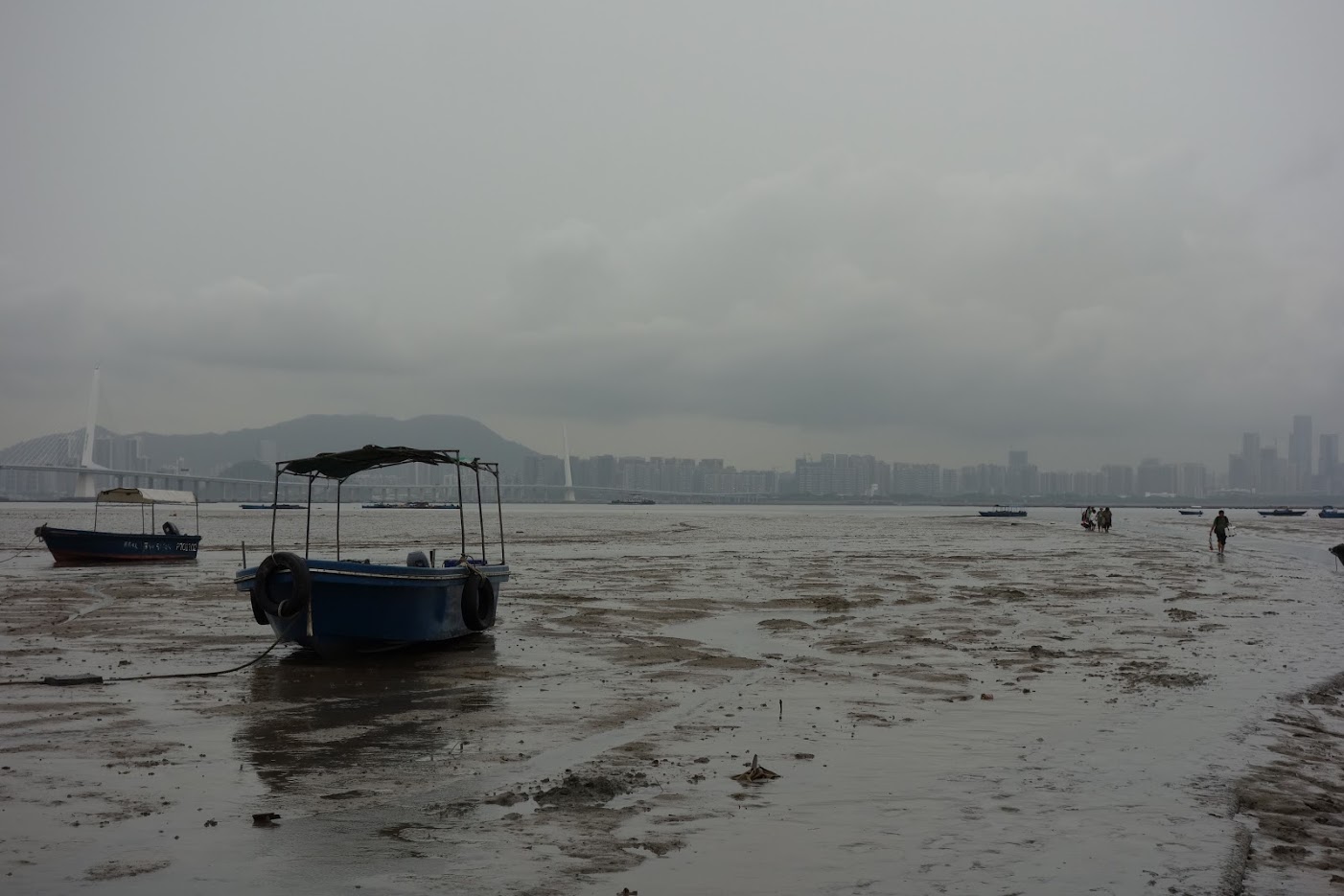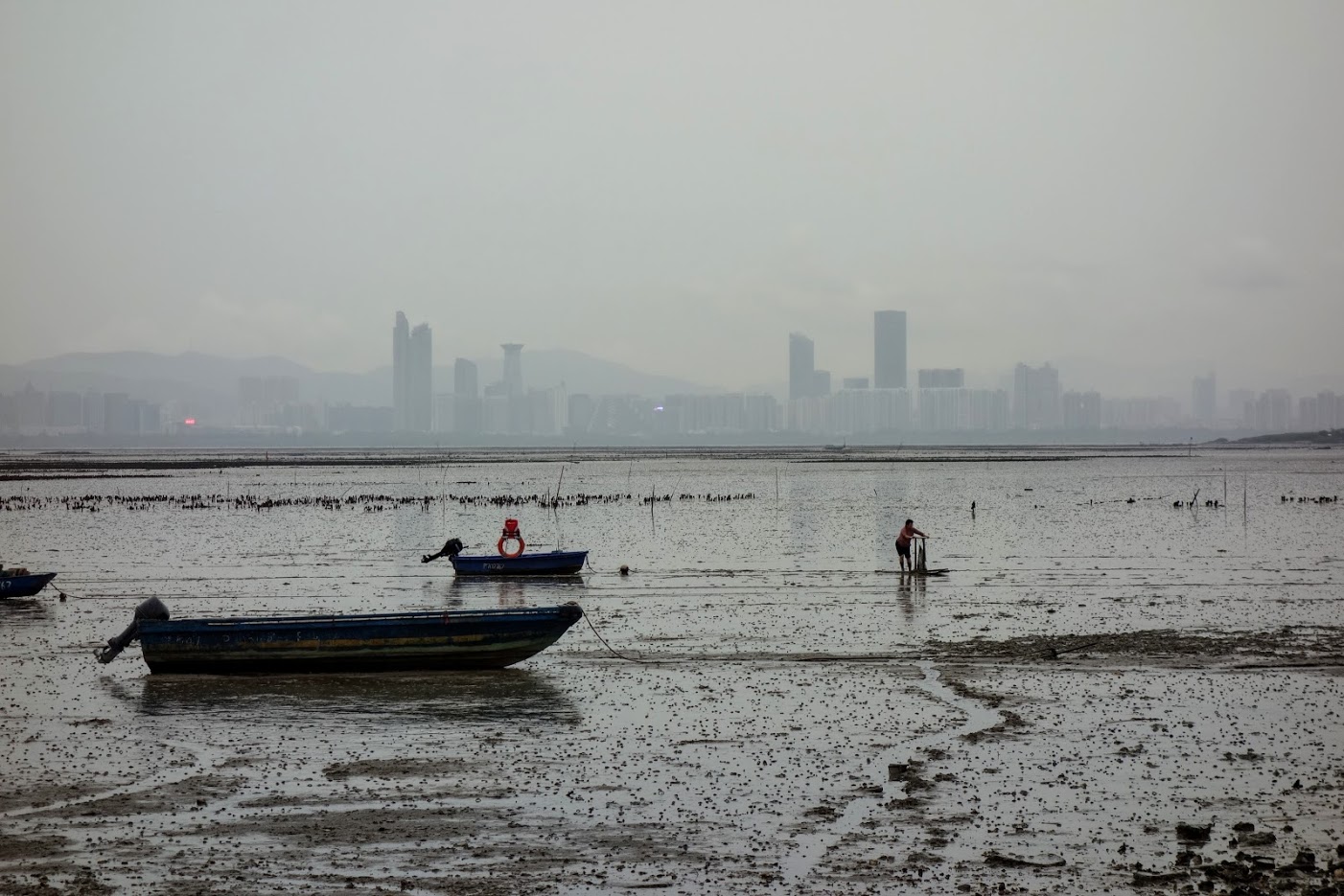
Once the twin pillars nurturing the well-being of local communities, farming and fishing has long since petered out as driving forces in the economy in western New Territories. Oyster farming, on the contrary, has grown steadily, the number of plantations increasing from 4000 to 8000 in the last three years. The physical and intangible heritage generated by this very local form of sustenance has shaped Lau Fau Shan's unique cultural scenery.
Tang Ancestral Hall
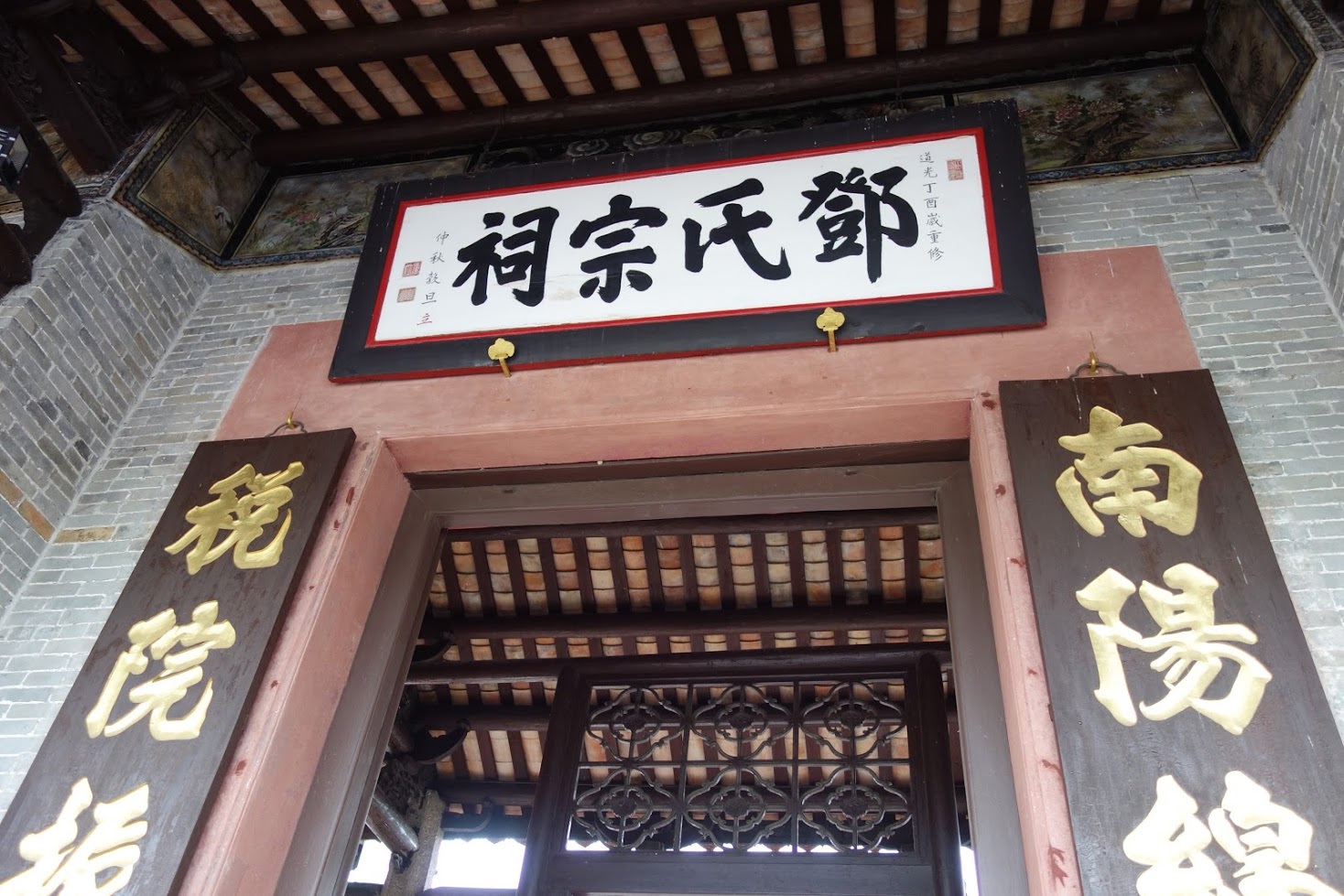
The villages of Ha Tsuen and Ping Shan have remained central to life in Lau Fau Shan. The Tang Ancestral Hall, located at Ha Tsuen, has served as a school, a court and a community centre in the past and is still the institution to which high-street seafood stores pay their monthly rent.
The building is a declared monument and a landmark in the area. It was built by the Tang Clan, famous for its marital links with royalty during the Song dynasty and its role as part of the ruling class in the Qing period. The restoration work of Tang Ancestral Hall has just been finished, keeping intact a decor on which symbols and metaphors alluding to luck and happiness fill its root ridges and pillars.
Oyster Economy
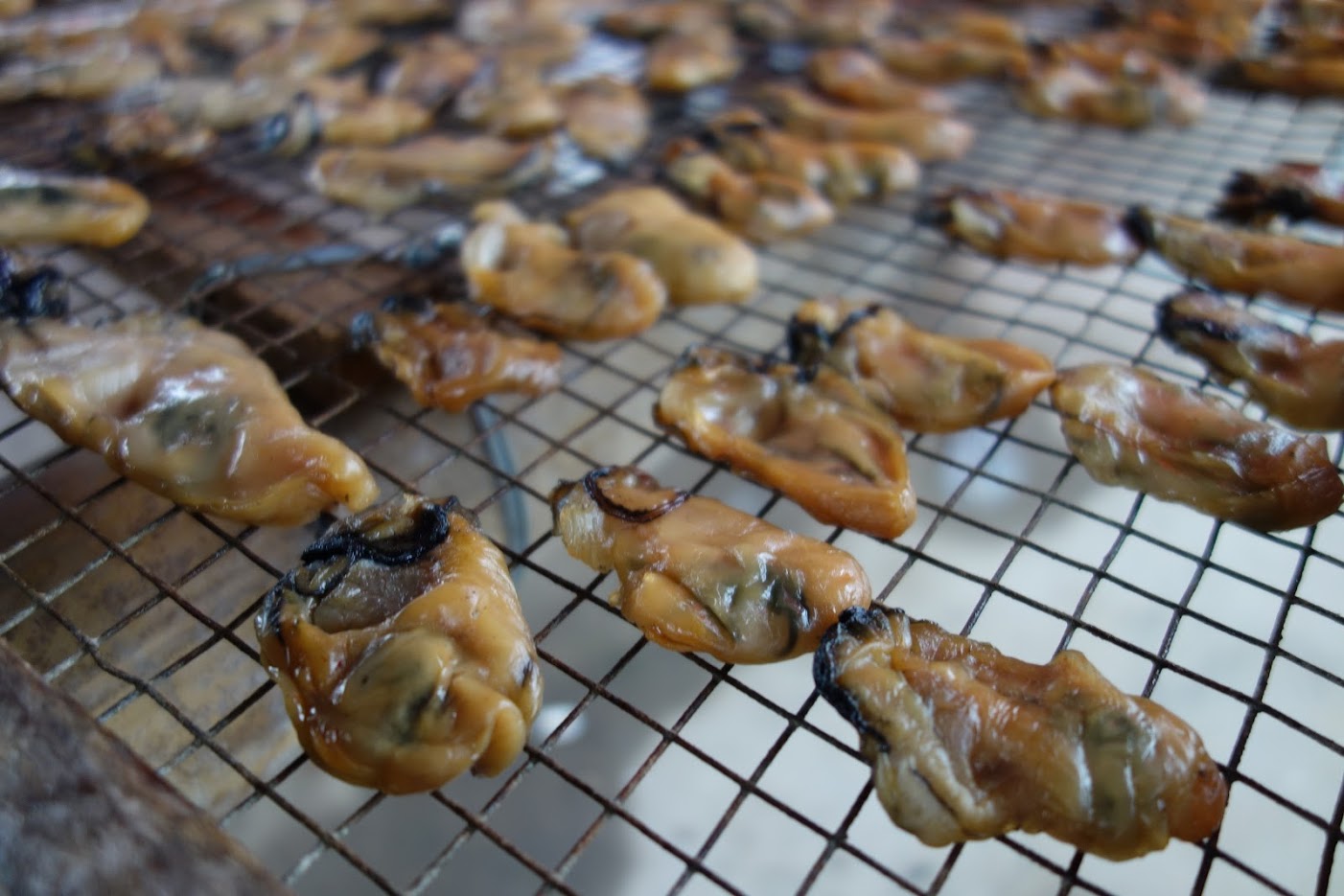
Oyster plantations cannot be placed just anywhere on the seaside, as illustrated by the failed attempts in Tung Chung. Not so for Lau Fau Shan, which is located at the mouth of Pearl Delta River where the brackish waters nurture oysters well. Therefore, seafood stores and dried oyster stalls could be found along the Lau Fau Shan Main Street, a walkway permeated perennially by a salty aroma.
Oyster farming in the area experienced a slump in the past due to the polluted waters flowing downriver from the unregulated industries in mainland China. It was only when restrictions were established in 1991 that the water quality improved, ushering in a revival for oyster farming.
There are two ways of cultivating oysters – the first one is by inserting concrete rods on the mud flats, on which oyster spats will attach themselves and grow. This is considered traditional and more natural, but it's also a time-consuming process taking up to four years.
The other one is to import medium sized oysters from the mainland, and put them into the suspending buckets of the oyster rafts. It is a much quicker way and would take only one and a half year to produce a yield.
On the other hand, shucked oyster shells could be burned and turned into lime, a material used widely in farming and construction until the 1970s. There is even a street, Fui Yip Street, named after the industry, but the lime factory was dismantled years ago to make way for houses.
Overgrowth of oyster plantations
Buoyed by the economic boom in mainland China, the consumption of oyster have been on a continuous rise. With many eager in capitalizing on this seemingly extremely (and excessively) profitable business, there has been an overgrowth of plantations in Deep Bay, with the consequence being blocked waterways. It has remained a challenge for local legislation to be properly enforced on the borderlands, and pro-establishment politicians have also obstructed an introduction of licensing system.
Originally a source of financial benefits for clan and community, oyster farming has mutated into an entity which also generate threats to the environment. Amidst such changes – when a beloved tradition evolves into a social and moral paradox – only the sunset on the Ha Pak Nai mud flats have unchanged, offering a view beautiful as ever. It's a serene here and now we should cherish before it vanishes from view.