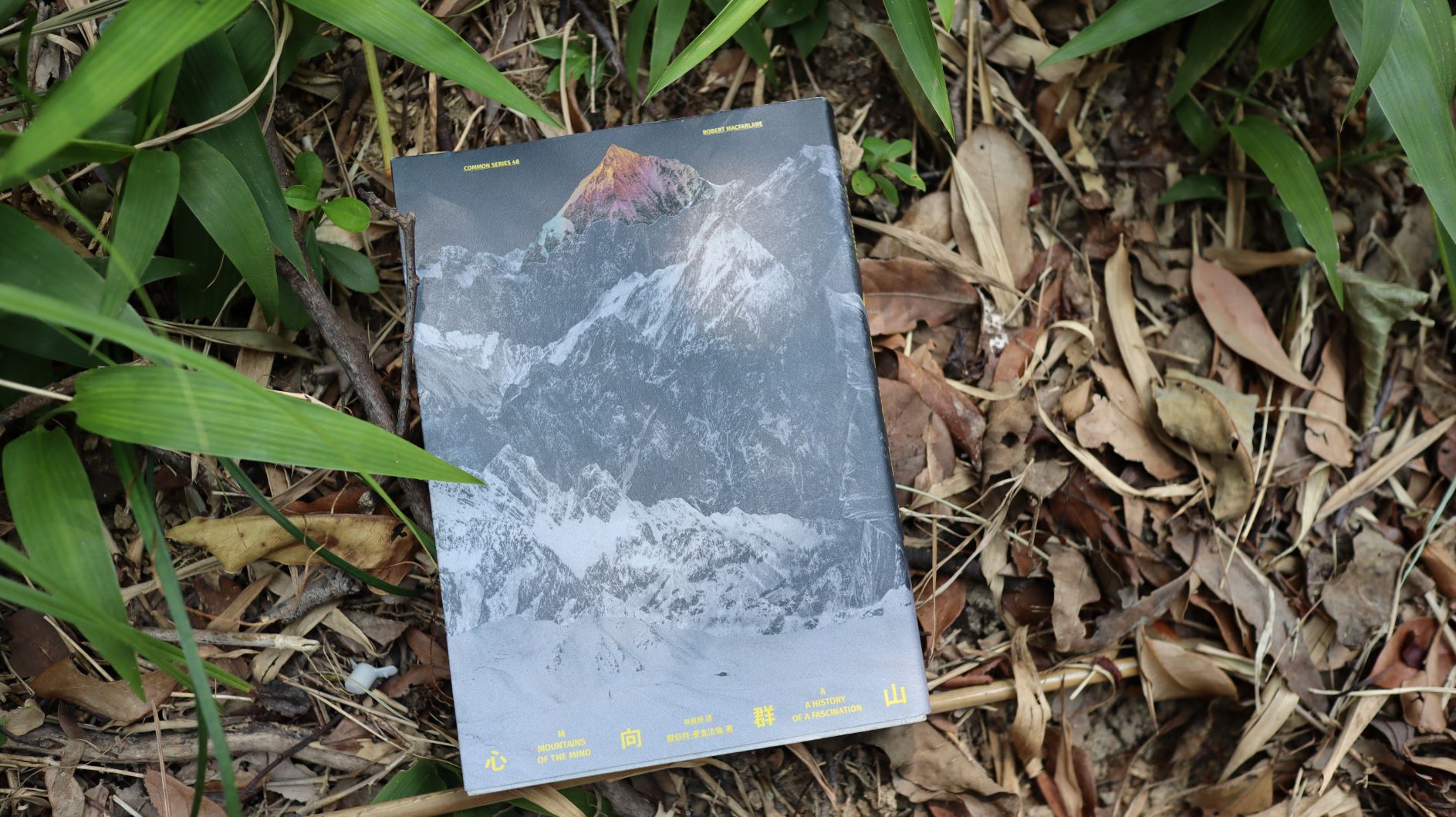
【好書推介】心向群山 – 人們為何要登山?
每個人上山理由都不盡然相同,但大抵都被認為是健康或正面積極的運動。追溯歷史,山是被厭棄開始。過去兩個月,在書訊跟大家探討「如何」接近或認識自然。本月將以「為何」登山作題,以《心向群山》一書作例,探索登山心態轉變:人如何由避開上山,到為了登山可以賠上生命。
《心向群山》是英國作家 Robert MacFarlane 2003年的作品,曾獲多個英國文學獎項。Robert除了是一個登山的愛好者,踏實的走路,精通地質科學之餘,亦為劍橋大學文學院院士,擅於寫作。Robert在書中先由自身家庭經驗作起始,以科學和地質角度解釋山的形成作鋪陳,及後考據歷代文學、繪畫、探險文獻中,記載高山陡峭、荒涼、危機四伏等特質,論證「山只是地質的偶發事件。山不存心殺人,也不存心討好人。山所具有的任何情感屬性都是人類的想像力所賦予。」
既然登山被記載成如此危險,亦只是地質的偶然現像,為何會引發人類投射情感?甚至為登山而不斷挑戰生命的極限?Robert在書中從登山史上不同人的經歷歸納,起初是因為個人主義、英雄心態的迷戀,慢慢發展到對高海拔風景的迷戀,探索世界的好奇。最後回歸至人內在的認知,總結出「那些爬上山頂的人,一半是愛著自己,一半是愛上自我湮滅。」
延伸閱讀
《心向群山》/ Mountains of the Mind: a History of a Fascination – Robert MacFarlane
Mountains of the Mind – Why Do People Hike?
Everyone has their own reason for going to the mountain, but in general hiking itself is considered a healthy and positive activity. However, when we look back in history, mountains were being abandoned at the beginning. In the previous issues of our newsletter, we explored “how” to get close to and understand nature. This month we look at “why” people go to the mountains. We would explore through the book “Mountains of the Mind” how our perceptions of the wild transformed from avoiding mountains to dying for it.
The award-winning “Mountains of the Mind” is written by a British author Robert Macfarlane and published in 2003. Robert is a Fellow of Emmanuel College, Cambridge who is passionate about mountaineering and proficient in geographical science. Macfarlane began the book by sharing his family background followed by an explanation of the formation of mountains from a scientific and geological perspective. Later in the book, Macfarlane referred to historical literature, drawings, and real-life adventure literature, to illustrate that mountains are always described as steep, desolate and risky. He concludes that “Mountains are only contingencies of geology. They do not kill deliberately, nor do they deliberately please: any emotional properties which they possess are vested in them by human imaginations.”
Why would mountaineering still trigger humans to project their emotions when it is being described as dangerous and just the contingencies of geology? Even risking one’s life to challenge the mountains. Robert analyzed the experience of different mountaineers throughout history to understand their motivation. It began with individualism and heroism, but over time the reason has gradually evolved to the obsession of scenery at the high altitudes and curiosity of the world. In the end, the reason always come back to acknowledging our inner selves and Macfarlane summarized that as “Those who travel to mountain tops are half in love with themselves and half in love with oblivion.”
Further Reading:
Mountains of the Mind: a History of a Fascination – Robert MacFarlane