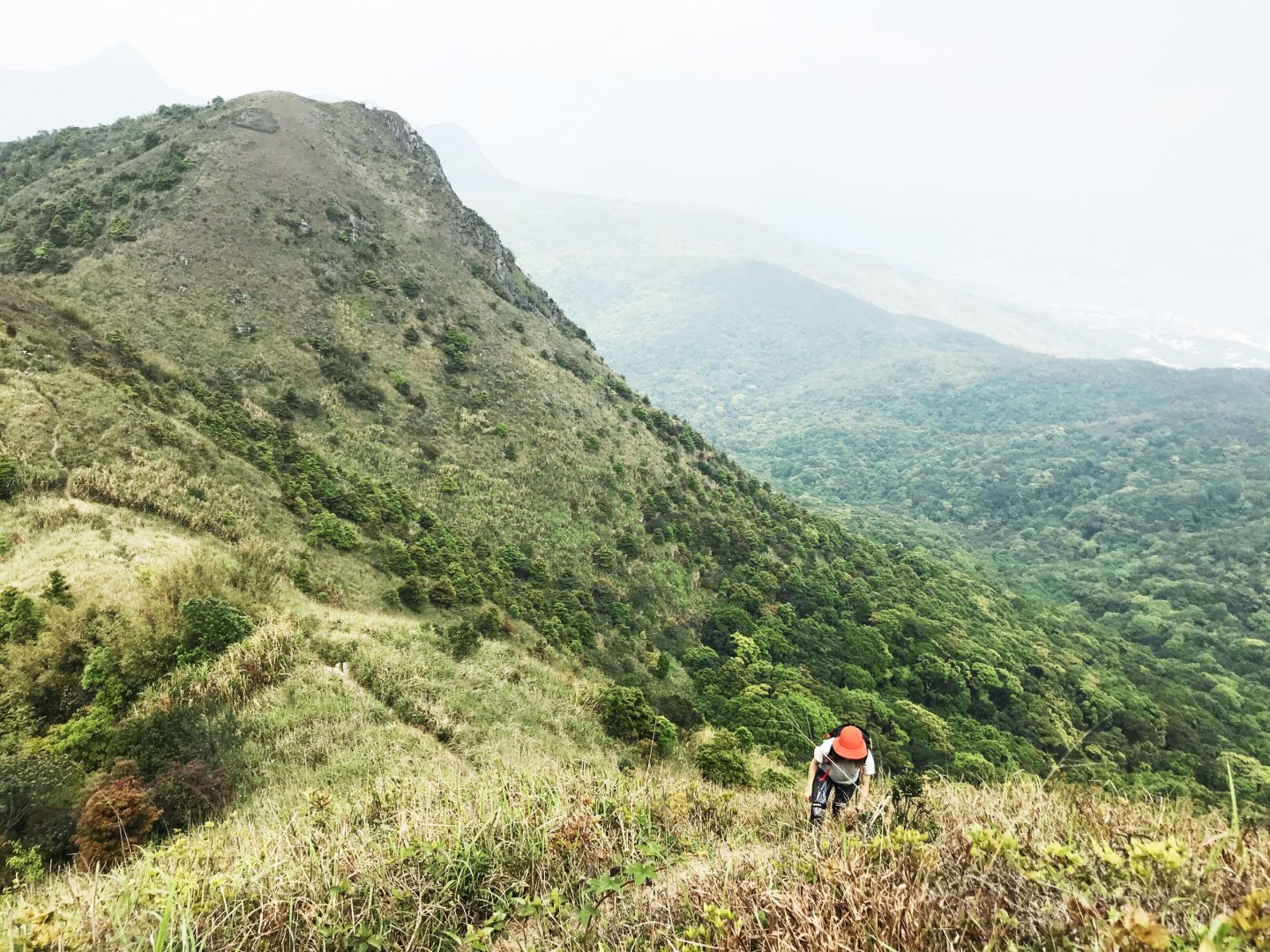
——《山之生:一段終生與山學習的生命旅程》
近日,世界各地都有不同的登山隊伍前往珠穆朗瑪峰(又稱聖母峰)挑戰登頂,令珠穆朗瑪峰再度成為大家關注的焦點。尼泊爾當地媒體 The Himalayan Times 則以 ‘traffic jam”(交通擠塞)一詞報導 五月二十二日攻頂的擠塞情況。
近年,除了珠穆朗瑪峰以外,日本富士山,甚至近至香港島的龍脊亦見不少與 traffic jam相類似的情形,人類在與自然互動時,對於山野的承載力,是否有足夠的認知?而人類接近自然的態度,是否只有常見的「登頂」和「征服」呢?
1891年去世的傳奇蘇格蘭作家Nan Shepherd(娜恩.雪柏德),一生雖然去過多個地方,但她唯一的散文作品卻是描寫陪伴她半生的 Cairngorm Mountains (凱恩戈姆山)。她以幾十年與該山相處的經歷,提煉成短短的一百多頁,分為十二章,以高地起始,存在為結。對她來說,在山上無目的漫遊才是令她最自在,她喜歡單純跟山一起,就像和朋友一起。
在影片和相片當道的年代,是否還需要閱讀以文字表述的山林?英國作家Robert Macfarlane在該書的導讀指出,文字的力量可包括思想的傳遞,影片和相片帶來感官的刺激,無法取代文本。在炎夏之中,大家不妨閱讀此書,重新認知和自然互動的方式。
Is Summiting a Mountain the Only Way to Get Close to Nature?
–《The Living Mountain – Nan Shepherd》
Mount Everest once again became the spotlight when mountaineers from around the world arrived at the camps to conquer the peak in May. The local newspaper in Nepal, The Himalayan Times, described the long queue to the summit on 22 May as “traffic jam”.
“Traffic jam” in the mountain is not unfamiliar to hikers from Hong Kong. Similar jams are always reported in popular destinations like Mount Fuji in Japan or Dragon’s Back Trail in Hong Kong. Before we set off for a hike do we understand the carrying capacity of the trails and the impact to the natural habitat? Is “summiting” or “conquering” a mountain the appropriate attitudes to deepen our connection with nature?
“To aim for the highest point is not the only way to climb a mountain”, wrote Nan Shepherd, the legendary Scottish writer and poet who died in 1891. Although she travelled far and wide, her only published prose is about Cairngorm Mountains where she spent almost her entire life. In over a hundred pages divided into twelve chapters, Shepherd shared her decades of experience with her most beloved mountain range. Wandering in the mountains without particular intention was her desire. Shepherd simply enjoyed being with her friends – the mountains.
We live in a time that is flooded with images and videos, one cannot stop wondering if books are still important to us in our understanding of mountains and woods? The British writer Robert Macfarlan emphasised the power of words in the introduction of “The Living Mountain”. Videos and images stimulate our senories; whilst writings deliver thoughts and ideas and it cannot cannot be replaced. It is a good read during summer and allow us to rethink our relationship with nature.
延伸閱讀 Further Readings: